Neil Armstrong, Buzz Aldrin, and Michael Collins were known for putting an end to the Space Race with the Apollo 11 mission. Decades later, Michael Collins reveals why he decided to retire from NASA the year after the historic mission.
In a 2019 interview with BBC, Collins explained why he decided to leave NASA in 1970, a year after he made history alongside his colleagues in the Apollo 11 mission in 1969. The former astronaut revealed that he decided to pursue other things, from becoming an assistant of state to being the director of the National Air and Space Museum. He also revealed how his lifestyle was becoming more and more taxing on both him and his family following the historic moon mission and thus felt like he did not disappoint NASA by choosing to leave.
“My wife, Pat, had put up with my ridiculous career being a jet fighter pilot, a test pilot, and this looney astronaut thing. That required long hours, a lot of time away from home, and during that time away you were stuffed into a simulator. I was sick and tired of being stuffed into a simulator and I felt that I had upheld my end of the bargain with NASA. I didn’t feel like I owed NASA anything, nor did they owe me anything,” shared Collins.
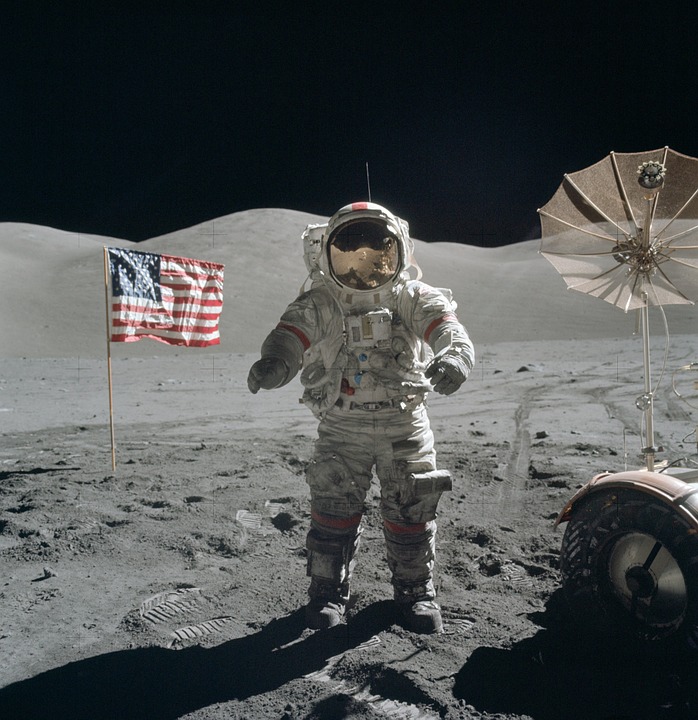
Although he admitted to having some regrets, the legendary astronaut said that he could not complain. “My luck had endured and this was the time for it to end,” said Collins, who added that he was not very envious of his friend Gene Cernan, who became the next man to step on the lunar surface.
In the historic mission, Armstrong and Aldrin were out on the lunar surface during the moon mission; Collins was piloting the Command Module Columbia for over 21 hours, waiting for his colleagues to return. He also shared that while they were aware of the Cold War, that was the least of their concerns when they were up in space.
Collins explained that the three of them were aware of the Soviet Union and the Cold War at the time and that they were in competition with them, but he did not feel like he was actively taking part. “Although we knew we were in this competition, my consciousness was 99 percent taken with non-Soviet affairs.”