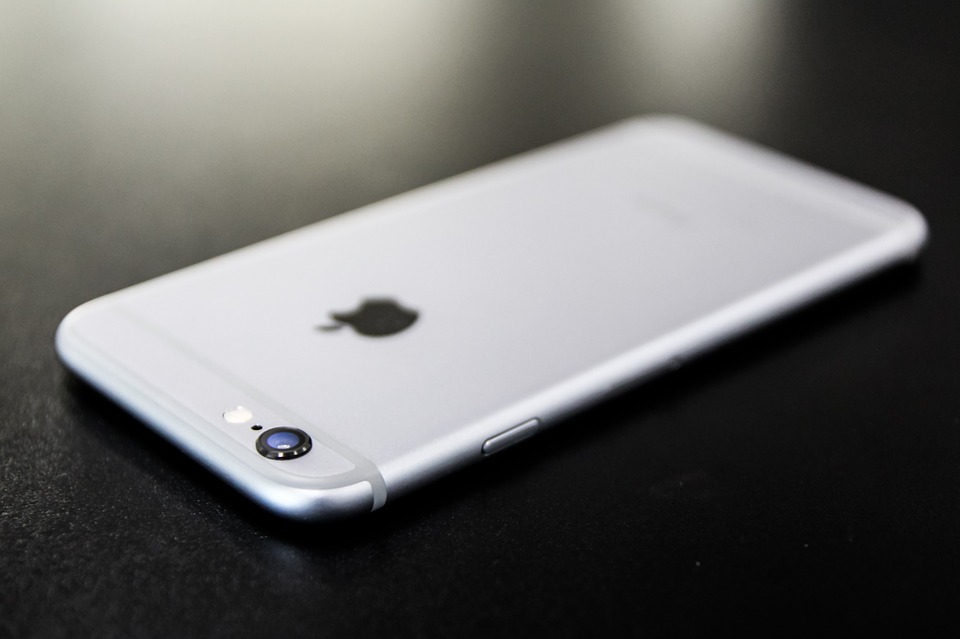
When the iPhone 6 launched, it caused quite a bit of excitement among customers because of the much bigger screen, but it was immediately stamped out by the fact that they bent quite easily. At the time, it was attributed to the thinness of the phones and the length of the body. However, it seems Apple already knew that this could happen according to internal documents that were recently obtained.
According to documents that were obtained by Motherboard, Apple was aware that the iPhone 6 was prone to bending when enough force was applied. When the incidents of this occurring first came to light, the company said that there were no engineering issues that could be attributed to it. These documents, which involved reviews that were conducted by Apple itself, proves otherwise.
It would seem that the Cupertino firm concluded that the iPhone 6 was more prone to bending compared to the iPhone 5s by up to three times. The iPhone 6 Plus fared even worse since it was more prone to bending compared to the 5s by up to seven times.
This means that even though Apple already knew about this aspect of its handsets, it still maintained that there were no engineering or structural issues with the devices. In short, Apple lied.
These documents were also related to the so-called “touch disease” that was attributed to the iPhone 6 units. At the time, numerous examples of the device exhibited problems with accuracy in responded to the touch commands of users. Many speculated that it was due to the phones bending and this is the reason for a lawsuit that the Cupertino firm is still contending with even now, The Verge notes.
Considering the details that these documents reveal, it’s quite clear that Apple has a lot to answer for. It’s also likely that it is going to lose the class action lawsuit that was filed against it for exactly these reasons.