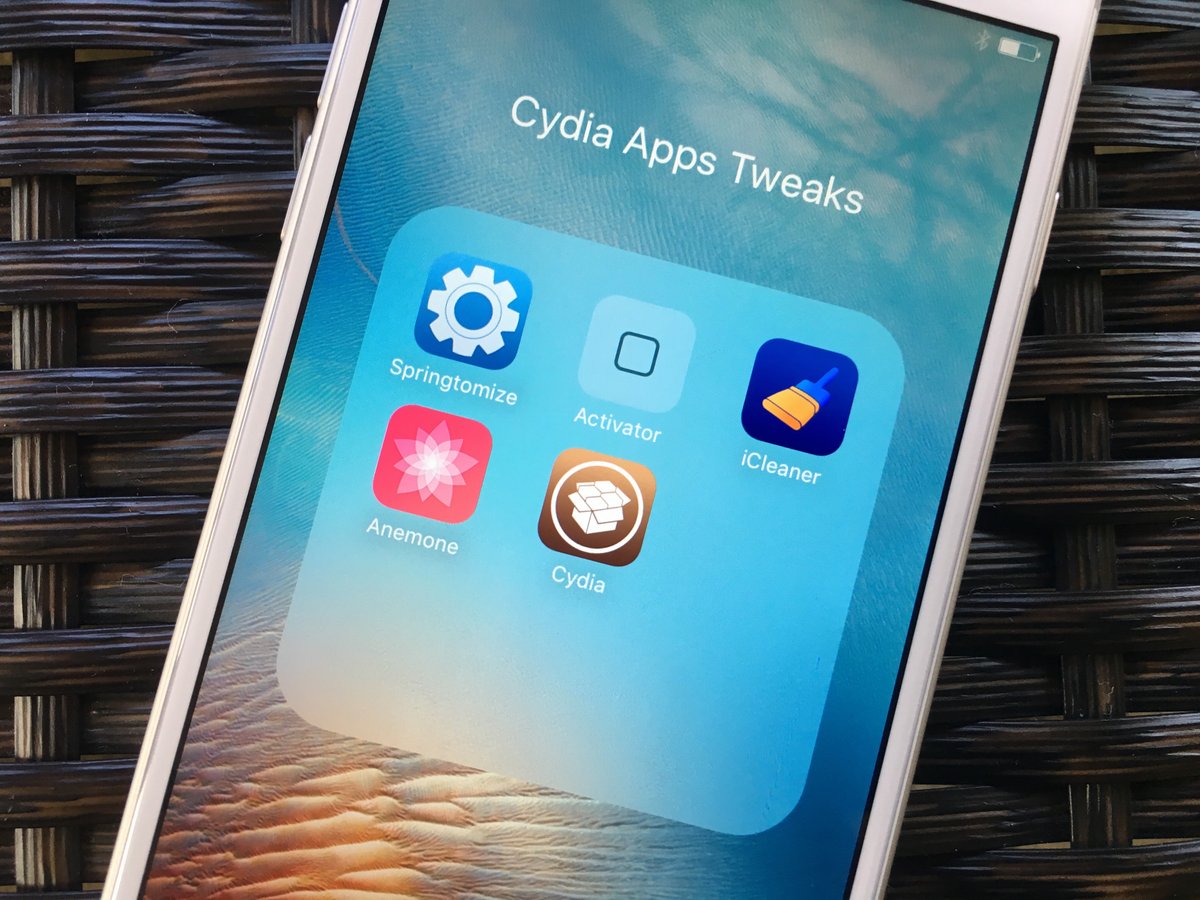
App store creator Cydia sued Apple Inc. for unspecified damages in the Oakland, California federal court for illegally monopolizing software distribution on its operating system.
Cydia, which was created in 2008, alleged that Apple has illegally squashed all competition for its App Store, thereby depriving consumers the choice of where to obtain iOS apps and developers from choosing distributors.
Cydia is said to be on the verge of closing and possible bankruptcy.
Apple said that it will review the lawsuit while insisting that it does not monopolize the market.
The Cupertino, California-based Apple also said it discourages consumers from trying to unlock their iPhones to install unauthorized software for security reasons.
Cydia, also known as SaurikIT, was created by software engineer Jay Freeman.
Apple has a market value exceeding $2 trillion.



Kia Cuts EV Sales Target for 2030 Amid Slowing Demand and U.S. Policy Shifts
Bendigo and Adelaide Bank Posts Strong Q3 Earnings, Announces AI-Driven Job Cuts
China's AI Stocks Surge as Zhipu and MiniMax Hit Record Highs
Pony.ai, Uber, and Verne Launch Europe's First Commercial Robotaxi Service in Zagreb
China Vanke Seeks Bond Extension Amid Mounting Debt Crisis
Goldman Sachs, ANZ Cut Oil Forecasts Amid U.S.-Iran Ceasefire Hopes
Abbott Laboratories Ordered to Pay $53 Million in Premature Infant Formula Lawsuit
Foreign Investors Pour $18.65 Billion into Japanese Stocks Amid Market Stabilization
Bill Ackman Eyes New Fund to Bet Against Market Complacency
TSMC Posts Strong Q1 2025 Revenue, Riding AI Chip Demand Wave
OpenAI Addresses Security Vulnerability in macOS App Certification Process
Disney Plans to Cut 1,000 Jobs Amid Ongoing Restructuring Efforts
Lumentum Holdings Rides AI Wave With Order Book Filled Through 2028
Chinese Brands Are Taking Over Brazil — And It's Just Getting Started
Alibaba Shares Slide as Jefferies Slashes Price Target Over AI Spending and Business Losses
BHP's Incoming CEO Visits China Amid Pricing Dispute with CMRG
NIO ES9 SUV Launch Sends HK Shares Down 7% Despite Bold Pricing Strategy 


