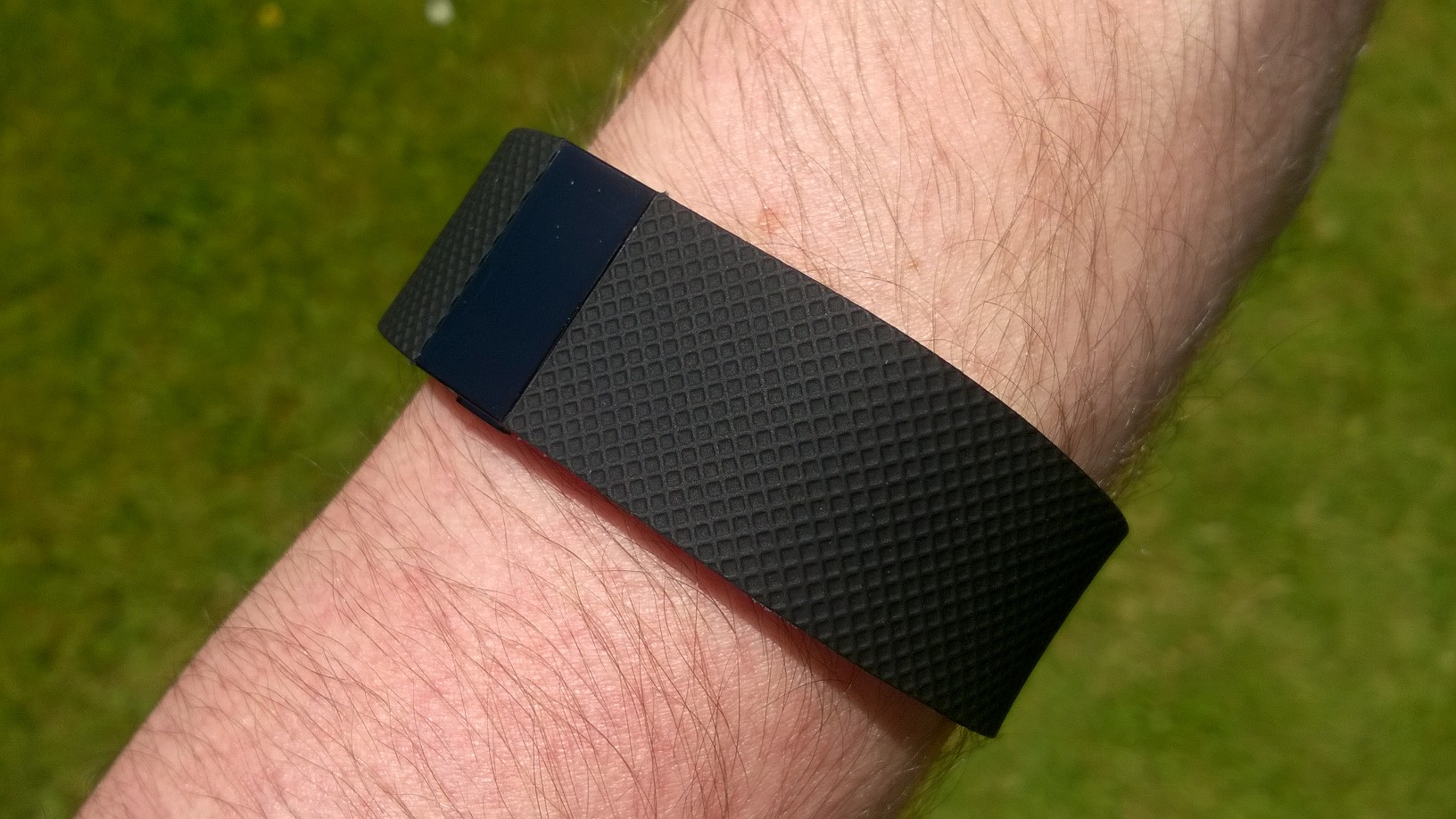
Updated (11/23/2015): Earlier, a security researcher recently revealed that the technology in sports wearable FitBit is susceptible to hacking and system infection. Forbes said Axelle Apvrille of Fortinet showed the findings at the Hack.Lu tech conference about FitBit Flex’s high exposure risk to malware via its Bluetooth radio.
Apvrille disclosed to Endgadget that a bad actor could infect the wearable in less than 10 seconds. She added, “"You don't need physical access (to the tracker), but you do need to be close (Bluetooth range). It does not matter if it is paired (to another device) or not… An attacker sends an infected packet to a fitness tracker nearby at Bluetooth distance then the rest of the attack occurs by itself, without any special need for the attacker being near."
FitBit has since issued out a statement about the findings. While the company had acknowledged Fortinet’s findings, it disputed the idea that anyone can hack the device using the Bluetooth radio feature. Moreover, Apvrville's test is purportedly a proof of concept and not an actual proof that the wearable is susceptible to hacking.
“Since that time we’re maintained an open channel of communication with Fortinet. We have not seen any data to indicate that it is currently possible to use a tracker to distribute malware,” FitBit said.



OpenAI Explores New Code-Hosting Platform to Reduce Dependence on GitHub
Australia Targets AI Platforms With Strict Age Verification Rules
Broadcom Stock Jumps After Strong Earnings Beat and Bullish AI Revenue Outlook
Trump Orders Federal Agencies to Halt Use of Anthropic AI Technology
Nvidia CEO Jensen Huang Says $100B OpenAI Investment Unlikely as AI Demand Surges
U.S. Considers New Rules Tying AI Chip Exports to Investment and Security Guarantees
Federal Judge Blocks Virginia Social Media Age Verification Law Over First Amendment Concerns
U.S. Deploys Tomahawks, B-2 Bombers, F-35 Jets and AI Tools in Operation Epic Fury Against Iran
U.S. Officials Review Tencent’s Stakes in Epic Games, Riot Games Over Security Concerns
California Court Rejects xAI Bid to Block AI Data Transparency Law
Foxconn Sees Strong Growth Ahead Despite Limited Impact From U.S.–Israel–Iran Tensions
OpenAI and U.S. Defense Department Update Agreement to Clarify AI Usage Terms
Defense Contractors Move to Drop Anthropic AI After Trump Administration Ban
OpenAI Pentagon AI Contract Adds Safeguards Amid Anthropic Dispute
Iran Crisis Could Threaten AI Data Center Expansion and Global Chip Demand, South Korea Warns
Pentagon Labels Anthropic AI a Supply-Chain Risk, Restricting Use in U.S. Military Projects
AI is already creeping into election campaigns. NZ’s rules aren’t ready 


