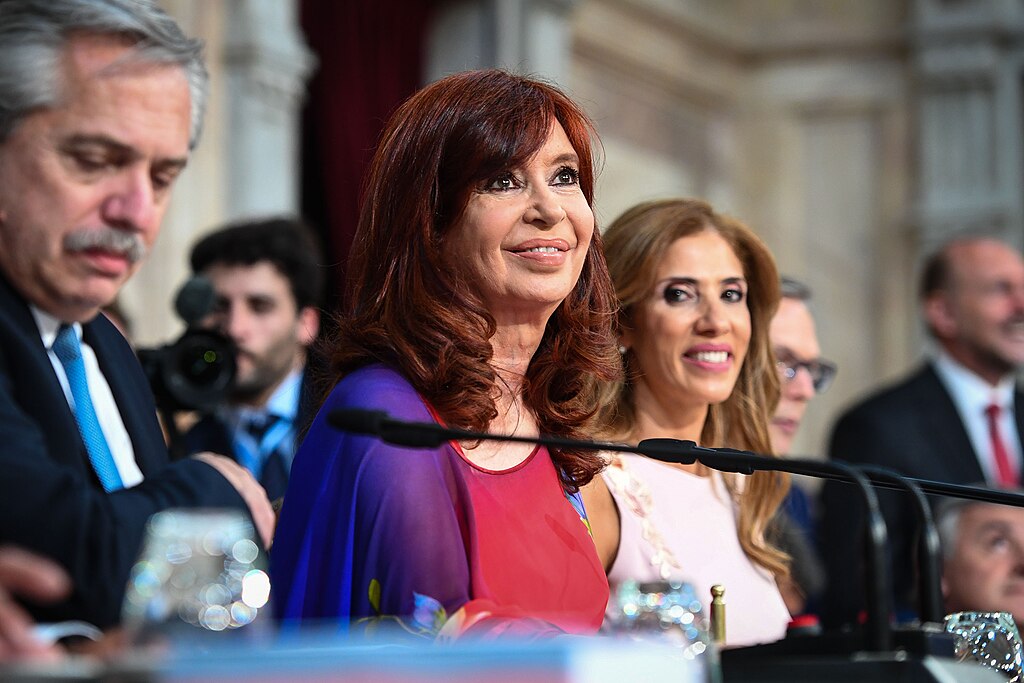
Argentina’s Supreme Court has upheld a six-year prison sentence and political ban against former President Cristina Fernández de Kirchner, effectively ending her political career. The 72-year-old ex-president and vice president, a central figure in Argentina's Peronist movement, was convicted in 2022 for orchestrating a massive fraud scheme that funneled public roadwork contracts in Patagonia to a close associate, Lázaro Báez, during her 2007–2015 presidency.
Kirchner’s appeal was rejected by the court’s three judges, leaving intact a ruling that not only sentenced her to prison but also barred her from holding public office. A lower court will decide whether her sentence will be served under house arrest due to her age. Kirchner maintains her innocence and claims political persecution.
The verdict disrupts her planned run in the Buenos Aires provincial elections but may energize her Peronist base, fractured since their 2023 defeat to libertarian President Javier Milei. Following the ruling, Kirchner criticized the judiciary, calling the justices a "triumvirate of unpresentables" during a rally outside her party headquarters.
Prosecutors alleged Kirchner and her late husband, Néstor Kirchner, channeled hundreds of millions of dollars to Báez’s companies—many of which abandoned their roadwork projects. Báez and others received prison sentences.
Despite waning popularity amid economic turmoil during her vice presidency under Alberto Fernández, Kirchner still commands strong support from working-class voters. Analysts note that while she can no longer run for office, her political influence persists.
President Milei, known for his harsh austerity and anti-Kirchner rhetoric, hailed the ruling on X, writing simply, “Justice.”
Kirchner faces additional corruption trials, including one for an alleged bribery ring set to begin in November, echoing Argentina’s history of high-profile political convictions.