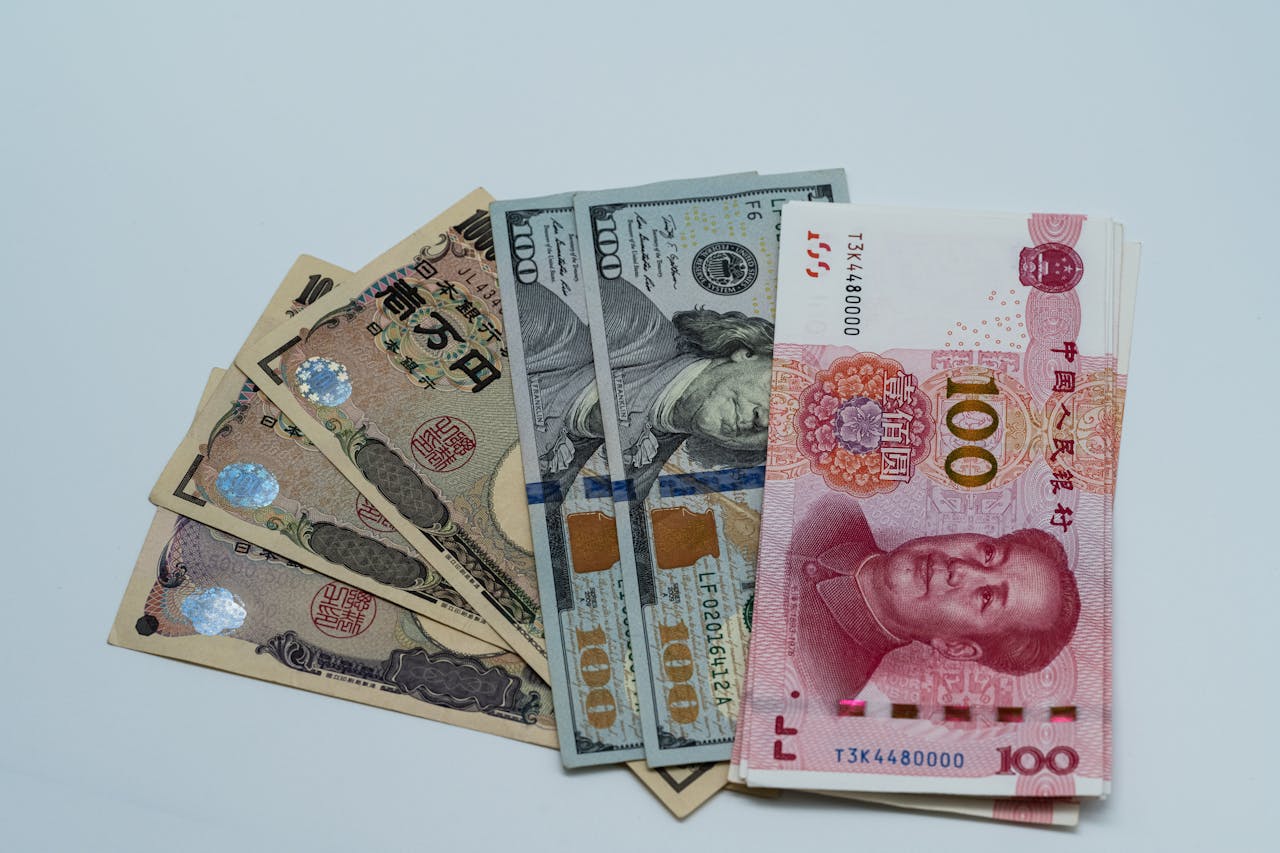
Asian currencies saw modest gains on Thursday as the U.S. dollar softened, driven by rising expectations that the Federal Reserve will cut interest rates next month. The U.S. Dollar Index slipped around 0.1% in Asian trading after two sessions of sharp declines, reflecting weakening dollar momentum as traders increase their bets on policy easing.
Market pricing now suggests an 86% probability of a 25-basis-point Fed rate cut, although investors remain cautious. A prolonged U.S. government shutdown has delayed key economic data releases, creating gaps in understanding current economic conditions. Mixed messages from Fed policymakers have added to this uncertainty—some officials say inflation is easing enough to justify near-term rate cuts, while others warn against loosening policy too soon.
Markets are also reacting to speculation about potential Fed leadership changes, including reports that Kevin Hassett is being considered for the chair position—an appointment traders view as potentially more dovish.
A weaker dollar supported select Asian currencies. The Japanese yen strengthened, with USD/JPY down 0.3%, amid rising expectations that the Bank of Japan may raise rates as early as next month, especially after the yen hit a 10-month low last week. The Australian dollar gained 0.3%, while the New Zealand dollar rose 0.5%. Meanwhile, the Chinese yuan and Singapore dollar remained largely steady.
In South Korea, the Bank of Korea held its benchmark rate at 2.50%, marking a fourth consecutive meeting without a cut. The South Korean won strengthened, with USD/KRW falling 0.5%, as policymakers kept policy tight to counter inflation and currency pressure.
In India, the Reserve Bank of India is widely expected to deliver a 25-basis-point cut on December 5. The Indian rupee edged up 0.1% ahead of the meeting.
Overall, sentiment in Asian currency markets remains cautiously optimistic, with traders watching for delayed U.S. data, clearer Fed policy signals, and confirmation of any leadership changes that could influence global rate expectations.