Most Asian currencies strengthened on Monday, supported by signs of improving Chinese business activity and continued weakness in the U.S. dollar. The dollar slipped further as investors ramped up expectations of a Federal Reserve interest rate cut and remained wary of rising U.S. debt levels.
The dollar index fell 0.2% in Asian trading, hovering near a three-year low. Fed rate cut bets surged, with CME FedWatch showing a 25 basis point cut likely by September. This comes despite May’s inflation uptick and Fed Chair Jerome Powell’s recent dismissal of immediate cuts. However, political pressure from former President Donald Trump—who may announce Powell’s successor early—added uncertainty.
Meanwhile, the Congressional Budget Office projected Trump’s advancing tax and spending bill would add nearly $3.3 trillion to the national debt over the next decade, further weighing on the greenback.
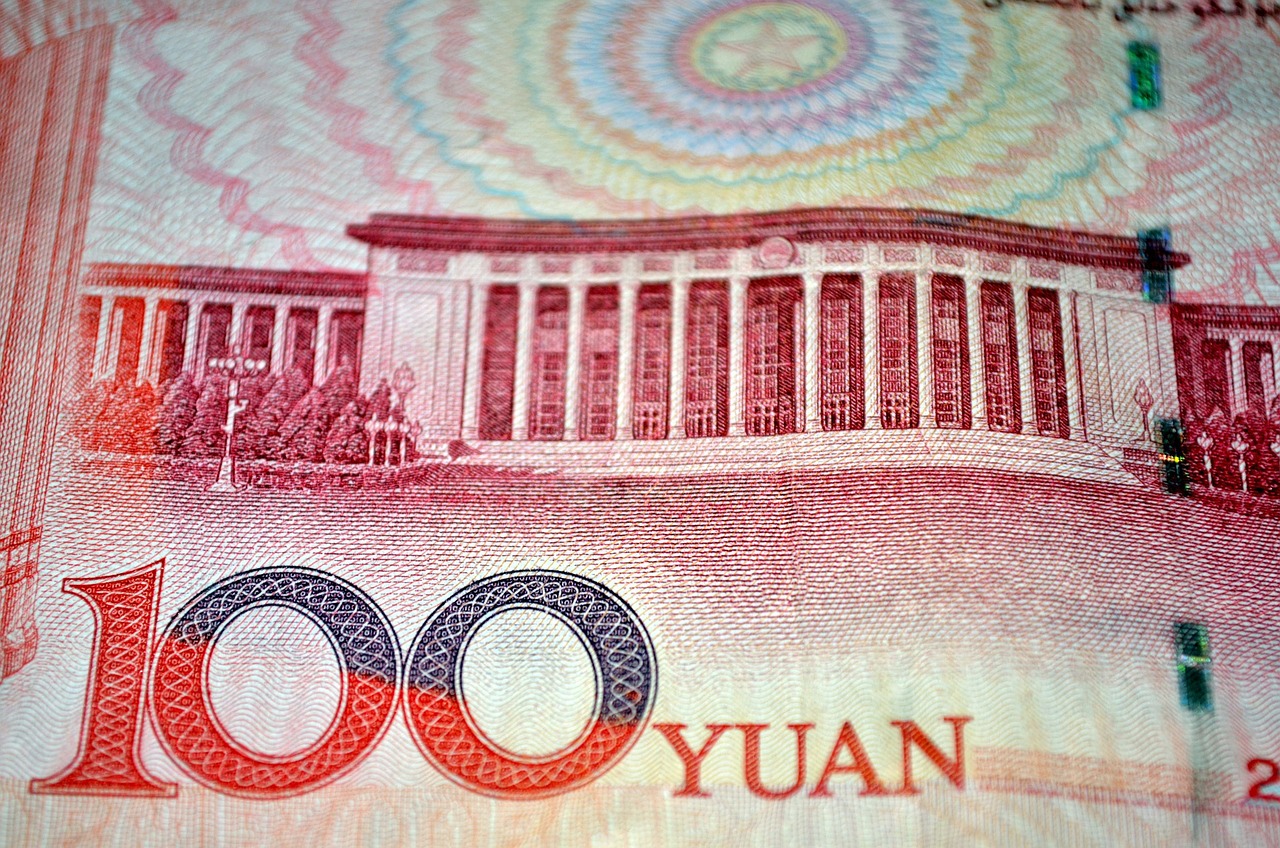
The Chinese yuan saw modest gains, with the USDCNY pair down 0.1%, nearing its strongest level since November. China’s June PMI data showed slightly improved factory and service activity, aided by a recovery in overseas orders following a tariff cut agreement with the U.S. Still, manufacturing contracted for the third month, and domestic demand remained weak, fueling expectations of more economic stimulus from Beijing.
Other Asian currencies followed suit. The South Korean won rose 0.6%, the Indian rupee gained 0.1%, and the Australian dollar firmed slightly despite weaker commodity revenue forecasts. The Japanese yen strengthened, even with underwhelming industrial output figures. The Singapore dollar remained flat.
Markets largely shrugged off renewed U.S.-Canada trade talks, which resumed after Ottawa dropped its digital services tax.
With U.S. debt risks and potential Fed policy shifts looming, investor focus remains on global trade developments and upcoming economic data.