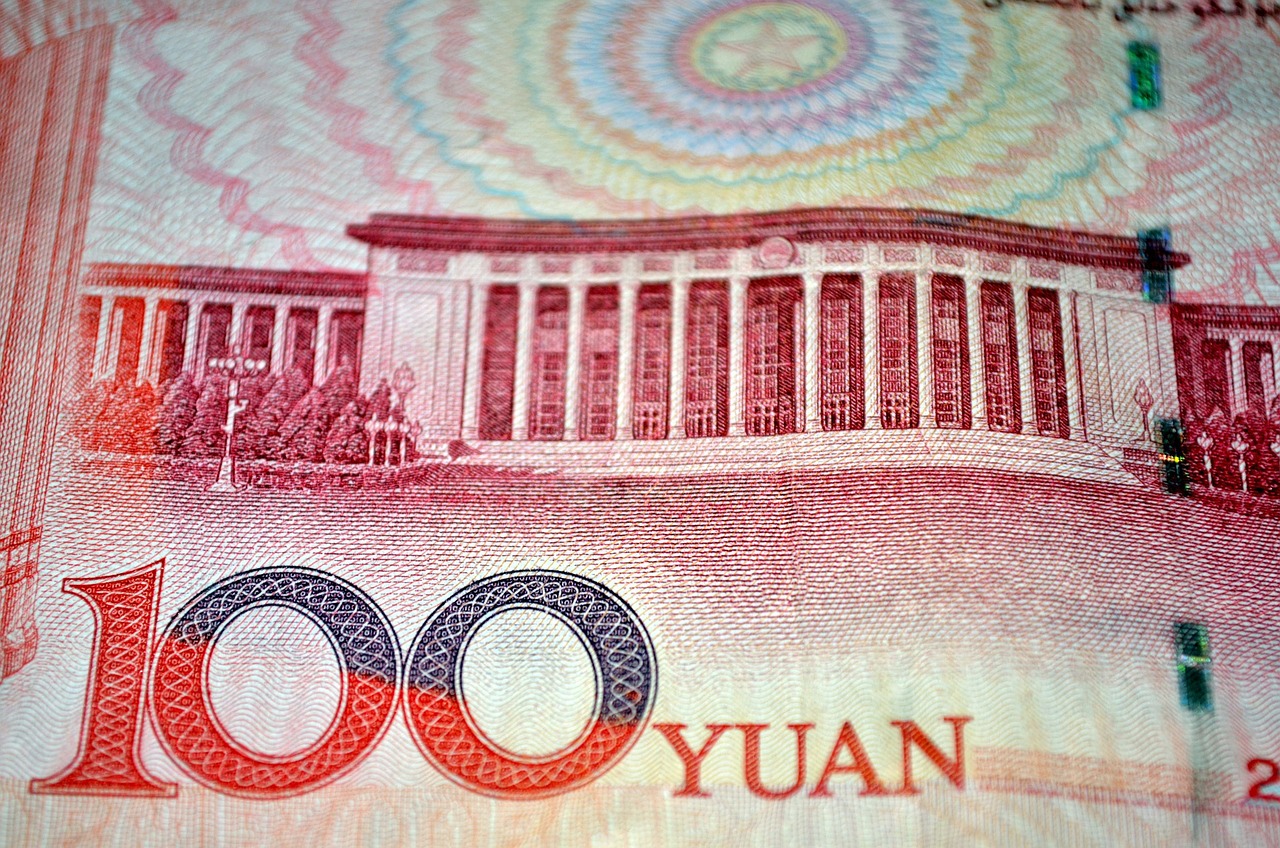
Most Asian currencies traded within tight ranges on Monday, while the U.S. dollar steadied as investors focused on efforts to resolve the historic U.S. government shutdown. The Chinese yuan showed little reaction to stronger inflation data, and the Japanese yen weakened amid uncertainty over future Bank of Japan rate hikes.
The U.S. dollar index and its futures rose about 0.1% in Asian trading, stabilizing after modest declines last week. Market sentiment was dominated by developments in Washington, where Congress continued negotiations to end the 40-day government shutdown — the longest in U.S. history. Reports indicated that Senate Democrats might back a Republican proposal to fund the government through January 30, with a roll call vote underway as of early Monday. The prolonged shutdown has disrupted federal operations and delayed key economic data releases, heightening concerns about its potential economic toll.
In China, the USD/CNY pair remained steady around 7.1209 despite October’s consumer price index beating expectations and producer prices contracting at a slower pace. Economists attributed the uptick mainly to holiday spending rather than a fundamental recovery from the country’s ongoing deflationary pressures. Analysts at Capital Economics cautioned that the improvement was temporary, driven largely by higher gold prices.
Across the region, Asian currencies traded in narrow ranges amid limited market cues and caution ahead of a potential U.S. Federal Reserve rate cut in December. The Japanese yen weakened nearly 0.4% against the dollar as optimism faded over a near-term BOJ rate hike. Meanwhile, the Australian dollar gained 0.3%, the Singapore dollar edged up 0.1%, and both the Taiwan dollar and Indian rupee saw minimal movement.
Overall, markets remain in a wait-and-see mode, balancing global rate expectations with political uncertainty in the United States.