Most Asian currencies and the U.S. dollar remained largely unchanged on Tuesday as global investors adopted a cautious stance ahead of President Donald Trump's looming deadline for potential military action against Iran. The uncertainty surrounding Middle East tensions kept market sentiment fragile and trading activity subdued across the region.
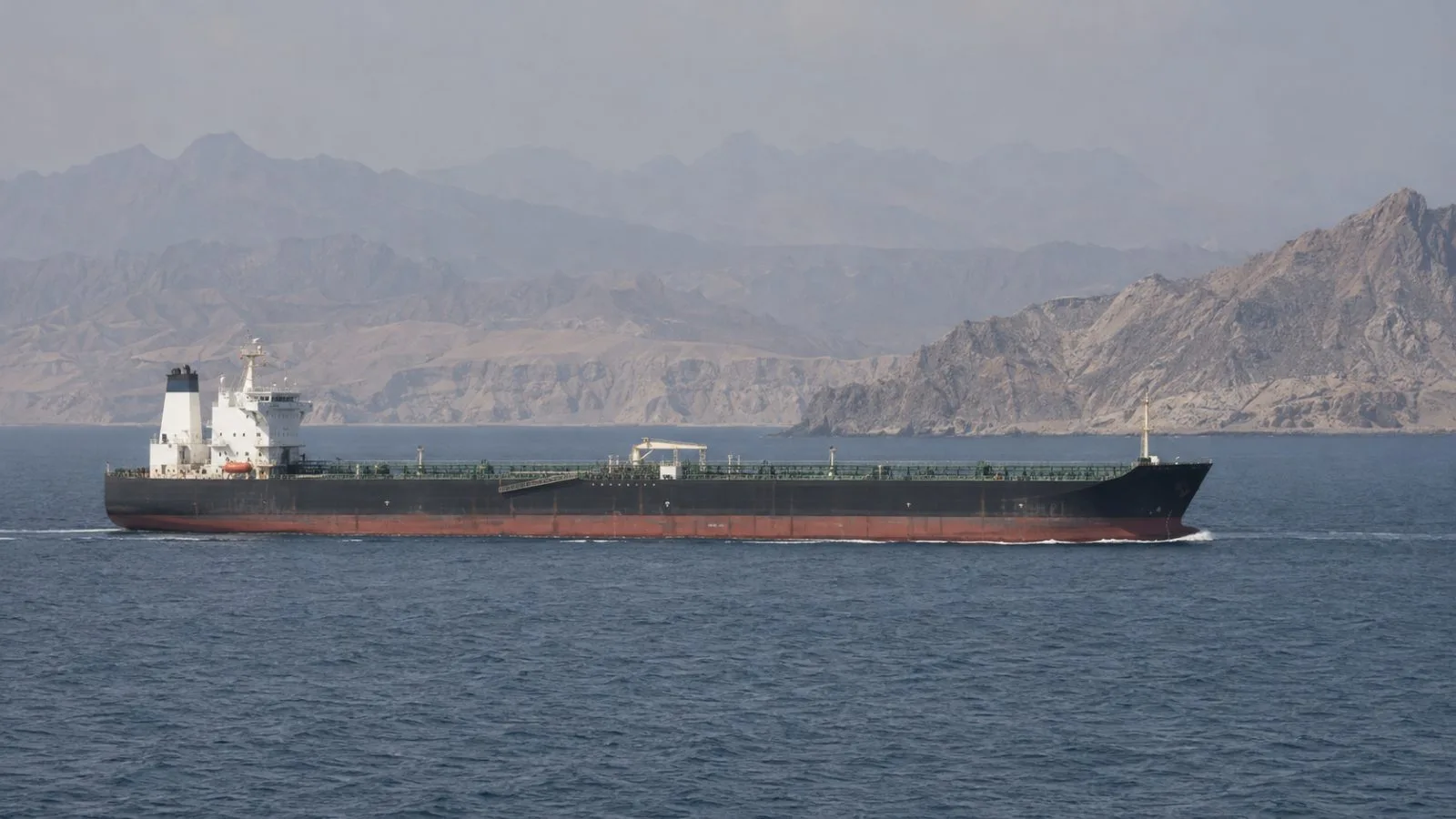
The U.S. Dollar Index edged up 0.1% during Asian trading hours, with futures mirroring that modest gain as of early morning Eastern Time. Traders remained hesitant to make bold moves as the clock ticked toward Trump's 8 p.m. ET ultimatum, demanding Iran reopen the Strait of Hormuz following the country's rejection of a U.S.-backed ceasefire proposal. Trump escalated his rhetoric by warning of large-scale strikes on Iranian infrastructure, adding further pressure to already rattled financial markets.
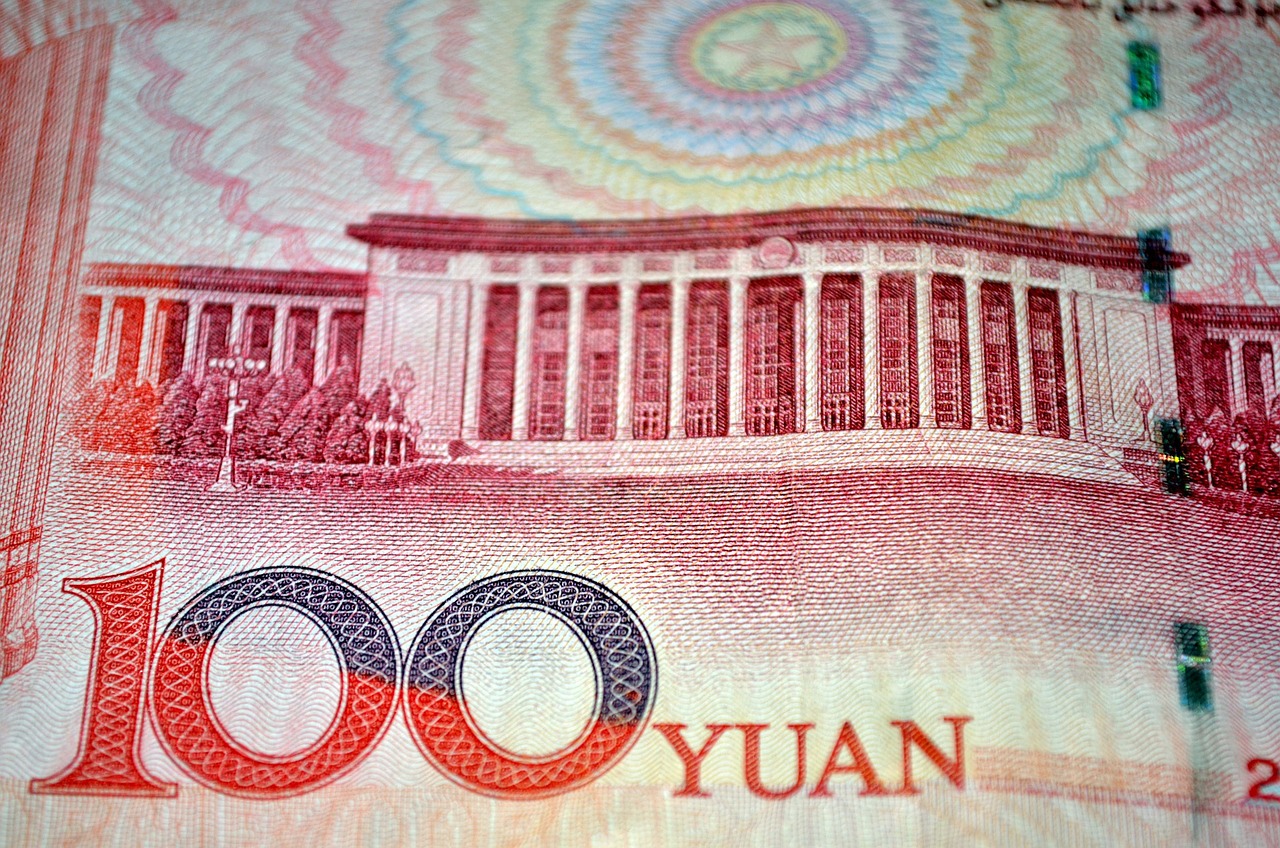
Analysts at MUFG noted that the road to de-escalation remains narrow, citing a wide gap between the expectations of the parties involved in the ongoing conflict. This sentiment was reflected across Asia-Pacific currency markets, where the Japanese yen held flat against the dollar, the South Korean won dipped slightly, and both the Chinese yuan and Singapore dollar showed minimal movement.
Meanwhile, the Indian rupee weakened modestly ahead of the Reserve Bank of India's interest rate decision scheduled for Wednesday. Although the rupee had gained ground the previous week thanks to RBI measures targeting speculative activity, those gains were offset by geopolitical risks and elevated crude oil prices driven by Middle East instability.
Investors also kept a close eye on the upcoming U.S. March Consumer Price Index report, expected Friday. Analysts at ING projected that annual headline inflation could jump significantly, largely due to rising fuel costs tied to the regional conflict. Consumer sentiment data, released shortly after, was also flagged as a key market mover for the week ahead.