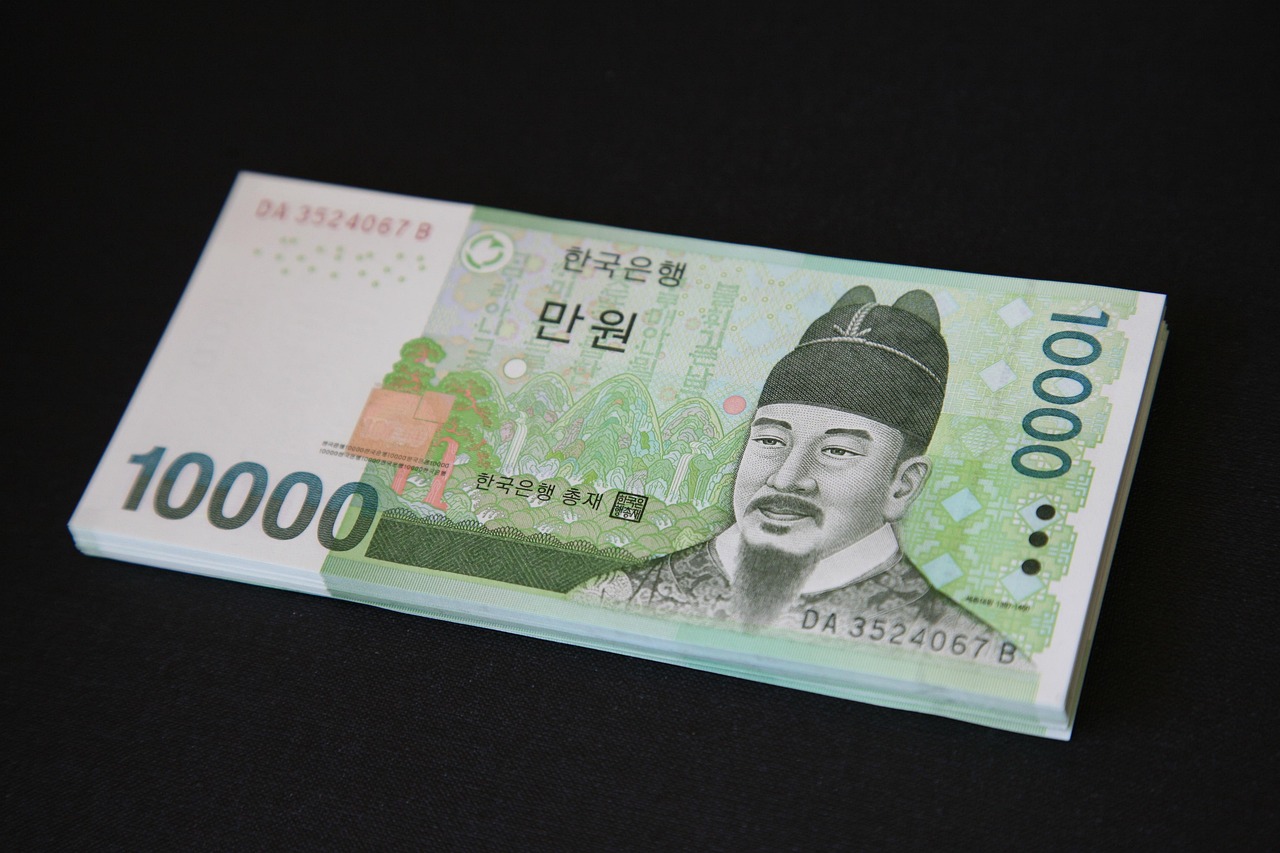
Most Asian currencies strengthened on Thursday, led by the Japanese yen and South Korean won, after the announcement of a major U.S.-Japan trade agreement raised hopes for similar deals ahead of looming tariff deadlines. Both currencies reached two-week highs and marked their fourth consecutive session of gains.
The U.S. Dollar Index slipped 0.1% in Asian trading after four straight sessions of declines, reflecting easing demand for the greenback. The yen advanced further, with the USD/JPY pair dropping 0.4% as of 04:07 GMT, following news that the U.S. will impose a 15% tariff on Japanese imports—lower than the previously proposed 25%—in exchange for a $550 billion Japanese investment in the U.S. economy.
Despite currency gains, Japanese investor sentiment remained cautious amid political uncertainty. Speculation about Prime Minister Shigeru Ishiba’s potential resignation following his coalition’s upper house election defeat persisted, although Ishiba publicly denied any immediate plans to step down.
The South Korean won also rallied, with the USD/KRW pair down 0.6% to two-week lows, buoyed by expectations that other nations might reach trade agreements before the August 1 tariff deadline. The Chinese yuan saw modest gains, with both onshore and offshore pairs down 0.1%. The Singapore dollar, Malaysian ringgit, and Australian dollar also strengthened slightly, while the Indian rupee edged lower.
Market analysts noted that while optimism over trade deals is lifting risk sentiment, ongoing political instability in Japan and broader geopolitical uncertainties could temper further currency rallies.