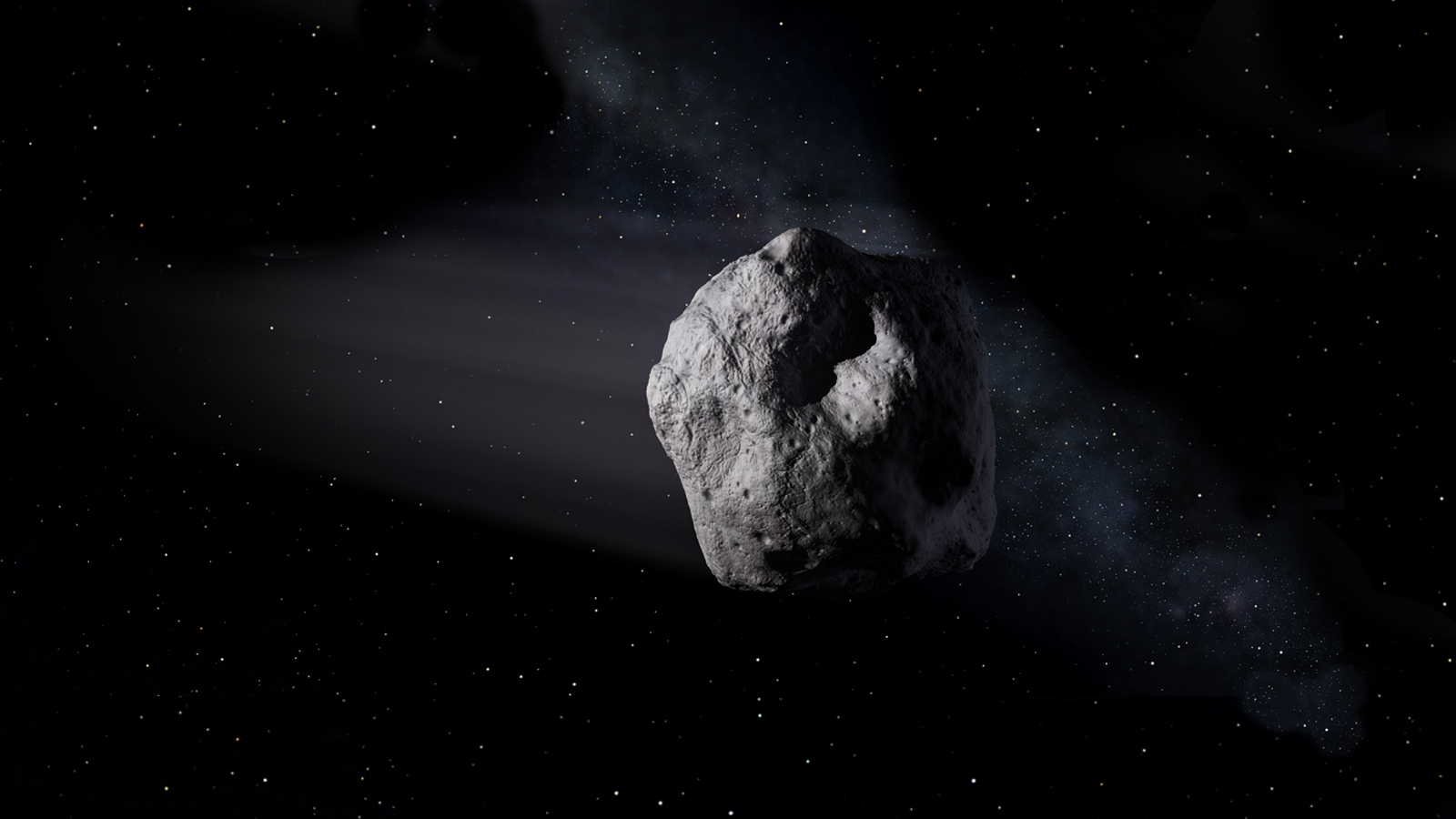
Scientists have discovered that there is an asteroid heading towards Earth, well, the general direction of the planet. It’s expected to miss by a considerable margin, but the distance is close enough for NASA to actually test its planetary defense system. The fly-by is a rare opportunity to see if the planet really is prepared to deal with incoming space debris with Armageddon-causing capabilities.
Called the 2012 TC4, the asteroid is about the size of a house and is expected to whiz by the earth 4,200 miles away, Space reports. That may seem far, but it’s still considered a near miss and is expected to occur on October 12th.
This event presents astronomers with the chance to not only track the asteroid’s movement but to also make a few calculations that could be of enormous help in the future. The person to lead the tracking project is University of Arizona’s Professor Vishnu Reddy and in a NASA press release, explains what is involved.
"This is a team effort that involves more than a dozen observatories, universities and labs across the globe so we can collectively learn the strengths and limitations of our near-Earth object observation capabilities," Reddy said. "This effort will exercise the entire system, to include the initial and follow-up observations, precise orbit determination and international communications."
More than simply NASA, the project will also involve multiple scientists from other countries via the recently established Planetary Defense Coordination Office (PDCO). The group was made official only last year, Futurism reports, and this is its first opportunity to have an actual space rock as a subject for observation.
For those who are still worried, even if the asteroid does impact the Earth, the damage is likely to be minimal thanks to its relatively small size. With the huge amount of unoccupied space on the planet’s surface, it might even land somewhere where no one will get hurt.