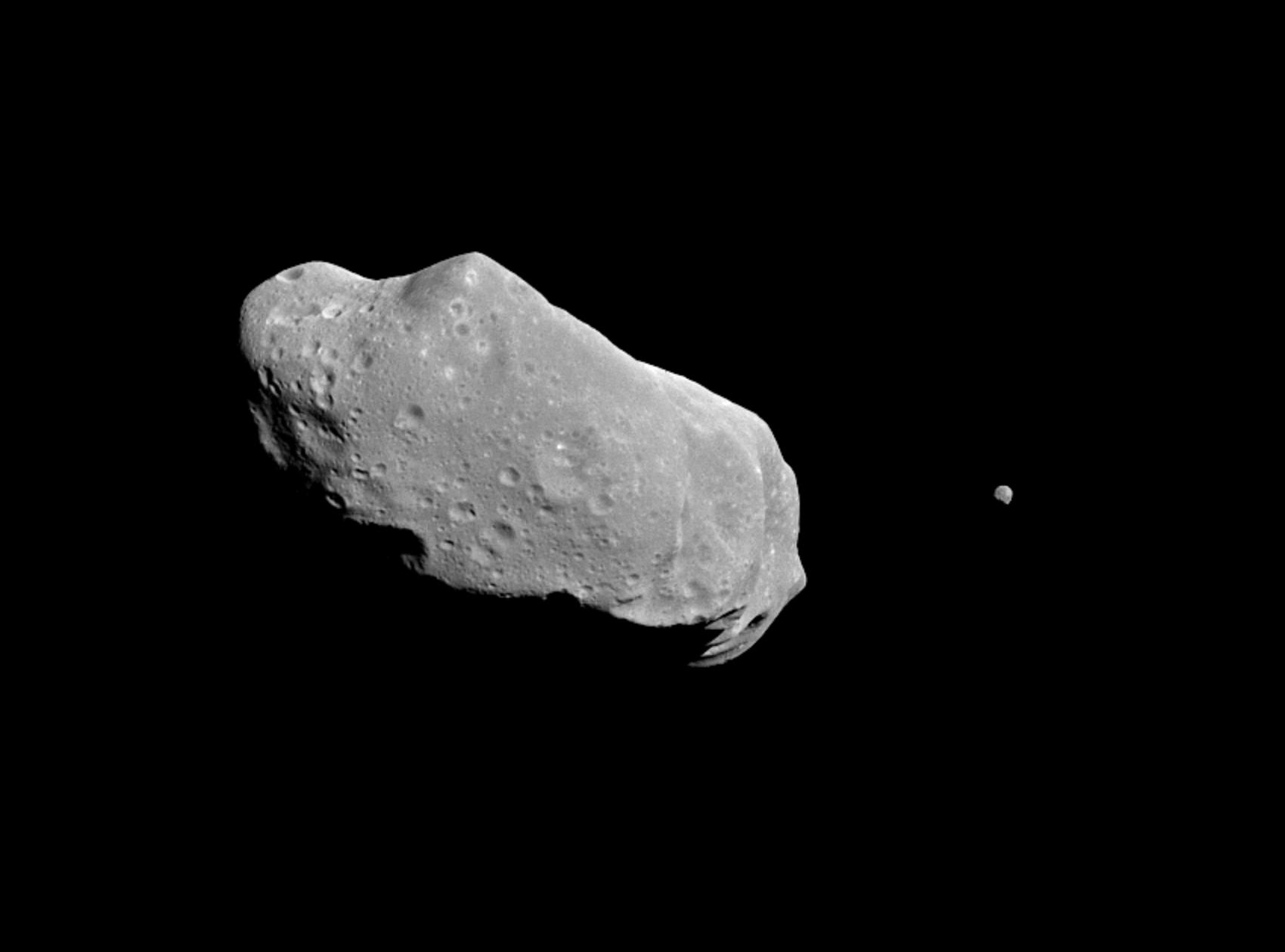
Mining asteroids has been a long-standing dream among international corporations that have a stake in valuable minerals and metals. Now, Luxembourg has granted said companies the rights to actually do this. All they have to do is figure out a way to actually get to outer space, mine the huge rocks, and come back to Earth with resources that are potentially worth trillions.
Luxembourg is the first country in the world to revise its laws to specifically accommodate the requests of corporations to keep whatever they mine from asteroids, the Daily Caller reports. The legislation was just passed this weekend and now, the EU country is the first in the union to offer protection to businesses when mining the space rocks.
This is one step in its aggressive stance to become a hub in an industry that is already considered a given in the future. Most other countries in the continent, or indeed the world don’t offer the same level of legal buffer for miners, so now investors are running to the small nation in droves.
Right now, about 20 companies that have stakes in the space mining race are onboard, which include Deep Space Industries and Planetary Resources. In order to attract prospective companies to join in, Luxembourg is actually paying some of them to establish their businesses within the country.
With that said, the legislation doesn’t simply provide the companies with free reign when it comes to space mining, Futurism notes. They also have to comply with certain regulations.
For starters, the companies actually have to ask permission from the Luxembourg government to go on a mining mission and provide detailed proposals on where they will go, what they expect to find, and how much they will be mining.
The new laws also don’t allow companies to actually own asteroids or any terrestrial body. They simply keep what they mine, find, or create out in space.