


 FDA Adds Fatal Risk Warning to J&J and Legend Biotech’s Carvykti Cancer Therapy
  Eli Lilly’s Inluriyo Gains FDA Approval for Advanced Breast Cancer Treatment
  Trump and Merck KGaA Partner to Slash IVF Drug Costs and Expand Fertility Coverage
  Blue Origin New Glenn Rocket Explodes During Launch Pad Test, Delaying Space Ambitions
  SpaceX’s Starship Completes 11th Test Flight, Paving Way for Moon and Mars Missions
  Trump Administration to Launch Autism Initiatives Targeting Acetaminophen Use and New Treatment Options
  SpaceX Delays Starship V3 Launch Ahead of Potential Record IPO
  NASA Partners with Katalyst to Save Swift Observatory with Innovative Docking Mission
  Neuralink Expands Brain Implant Trials with 12 Global Patients
  SpaceX Pivots Toward Moon City as Musk Reframes Long-Term Space Vision
  Cogent Biosciences Soars 120% on Breakthrough Phase 3 Results for Bezuclastinib in GIST Treatment
  Trump Administration Releases New UFO Files and Apollo Mission Records
  NASA Artemis II: First Crewed Moon Mission Since Apollo Takes Four Astronauts on 10-Day Lunar Journey


 Add as a preferred source on Google
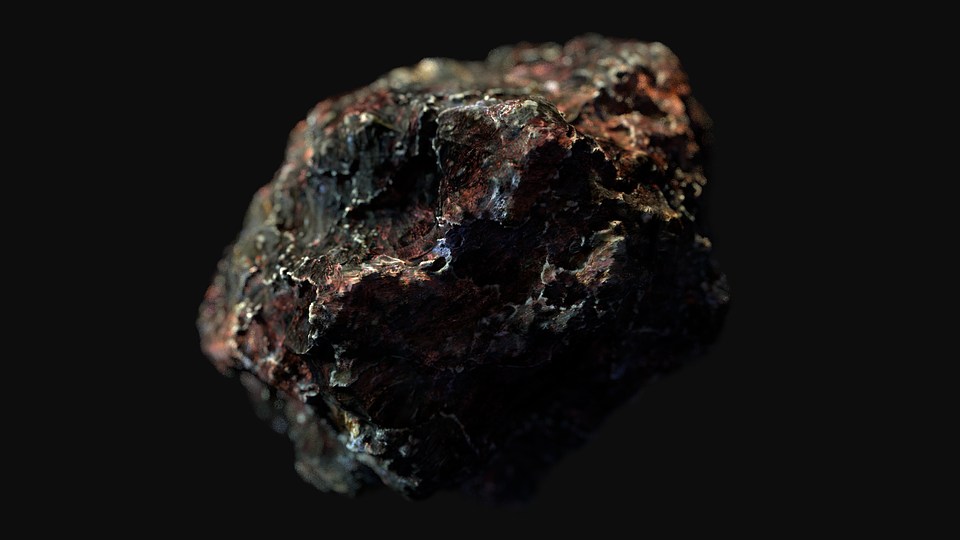
US space agency NASA has another asteroid sighting as they spot one particular rock moving Earthbound. How big is it, and will it strike?
NASA has spotted one asteroid moving towards the direction of the Earth at a close approach trajectory. Formally named 2020 DZ3, the asteroid is predicted to approach on Monday, March 2nd. The agency has classified DZ3 as an Apollo-type Near-Earth Object or NEO, meaning it is an asteroid that orbits the Sun that sometimes crosses orbits with the Earth. DZ3 measures between 68.9 feet to 154 feet in diameter, making it a relatively small rock that is similar in size to the meteor that struck the city of Chelyabinsk in Russia back in 2013.
Although DZ3 is fairly small, it can still cause a lot of damage if it ever makes it through the atmosphere and impacts land. Much smaller asteroids, on the other hand, will more than likely burn up and explode when it reaches the atmosphere because it is the first time the rock has met some resistance. Despite small meteors burning upon the atmosphere, the fragments coming from the space rock can still affect the Earth below.
Fortunately, the chances for an asteroid collision remain to be very slim as DZ3 will only pass by Earth without striking. The asteroid will get as close to the planet by 0.00765 astronomical units. This is equivalent to 1.14 million kilometers, making it extremely far away by human standards, but close enough to be detected.
As of now, there are a total of 22,000 near-earth objects floating about in space. However, an expert has warned that the Chelyabinsk incident may happen again as there are asteroids that can slip past without being noticed. German Aerospace scientist Alan Harris believed that while the majority of these Near-Earth Objects, around 90 to 95 percent of small to medium-sized asteroids, have already been spotted and accounted for, but asteroids similar in size to the Chelyabinsk meteor, may not be detected if it ever strikes the planet, effectively taking everyone by surprise no matter how prepared the relevant agencies and authorities may be.
Harris added that the existing technology could not detect these kinds of rogue asteroids. “I’d say up to 50 meters or so these days, can slip through defenses and hit the Earth without any warning at all, as Chelyabinsk did.”







