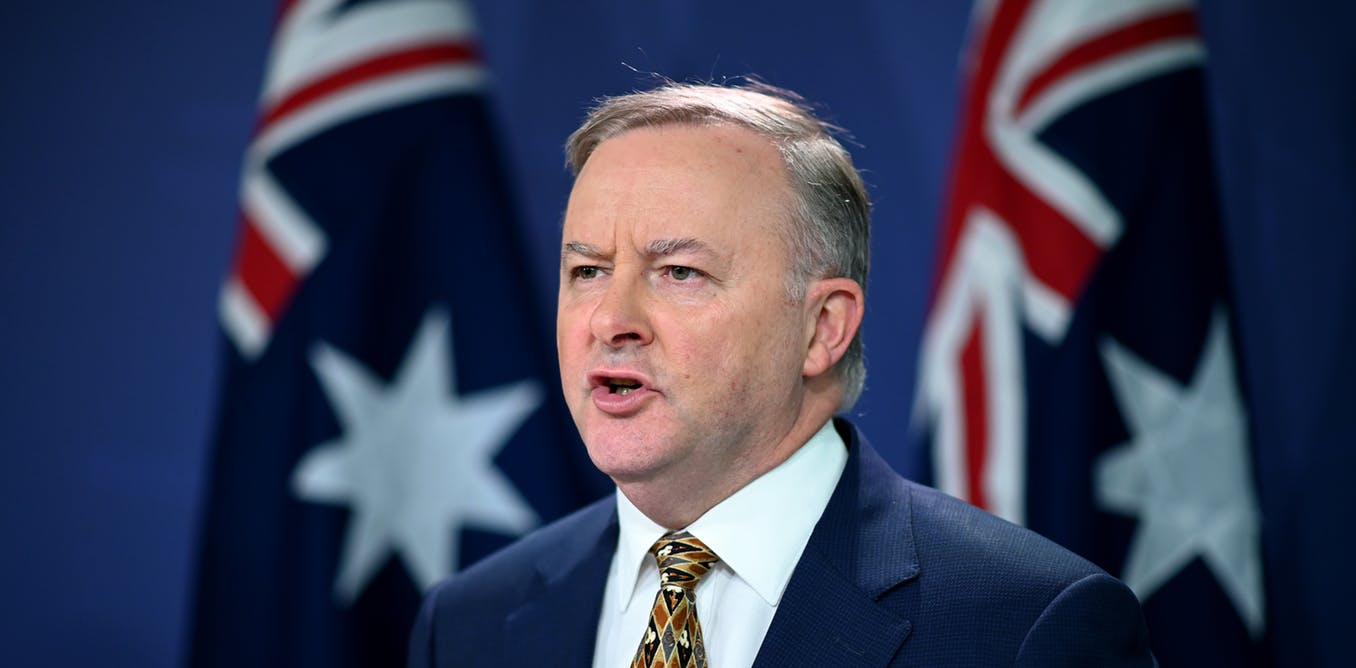
Australian Prime Minister Anthony Albanese used his first address to the United Nations General Assembly to announce that Australia has formally recognised Palestine, joining Britain and Canada in a significant diplomatic shift. The move aligns Australia with more than three-quarters of the 193 UN member states that already support Palestinian statehood, despite opposition from the United States and Israel.
Albanese said the recognition came with commitments from the Palestinian Authority that Hamas would disarm, play no role in a future government, and hold democratic elections. He stressed that this decision reflects Australia’s longstanding commitment to peace in the Middle East.
Highlighting the devastating toll of the conflict in Gaza, Albanese noted that tens of thousands of civilians have been killed, alongside journalists and humanitarian workers. He paid tribute to Australian aid worker Zomi Frankcom, who lost her life while delivering aid, and called on the Israeli government to accept responsibility for the worsening humanitarian crisis.
Albanese also reaffirmed Australia’s solidarity with Jewish communities worldwide, referencing the country’s role 78 years ago in voting for Israel’s statehood. He said Australia continues to stand firmly against anti-Semitism while urging for accountability and humanitarian relief in Gaza.
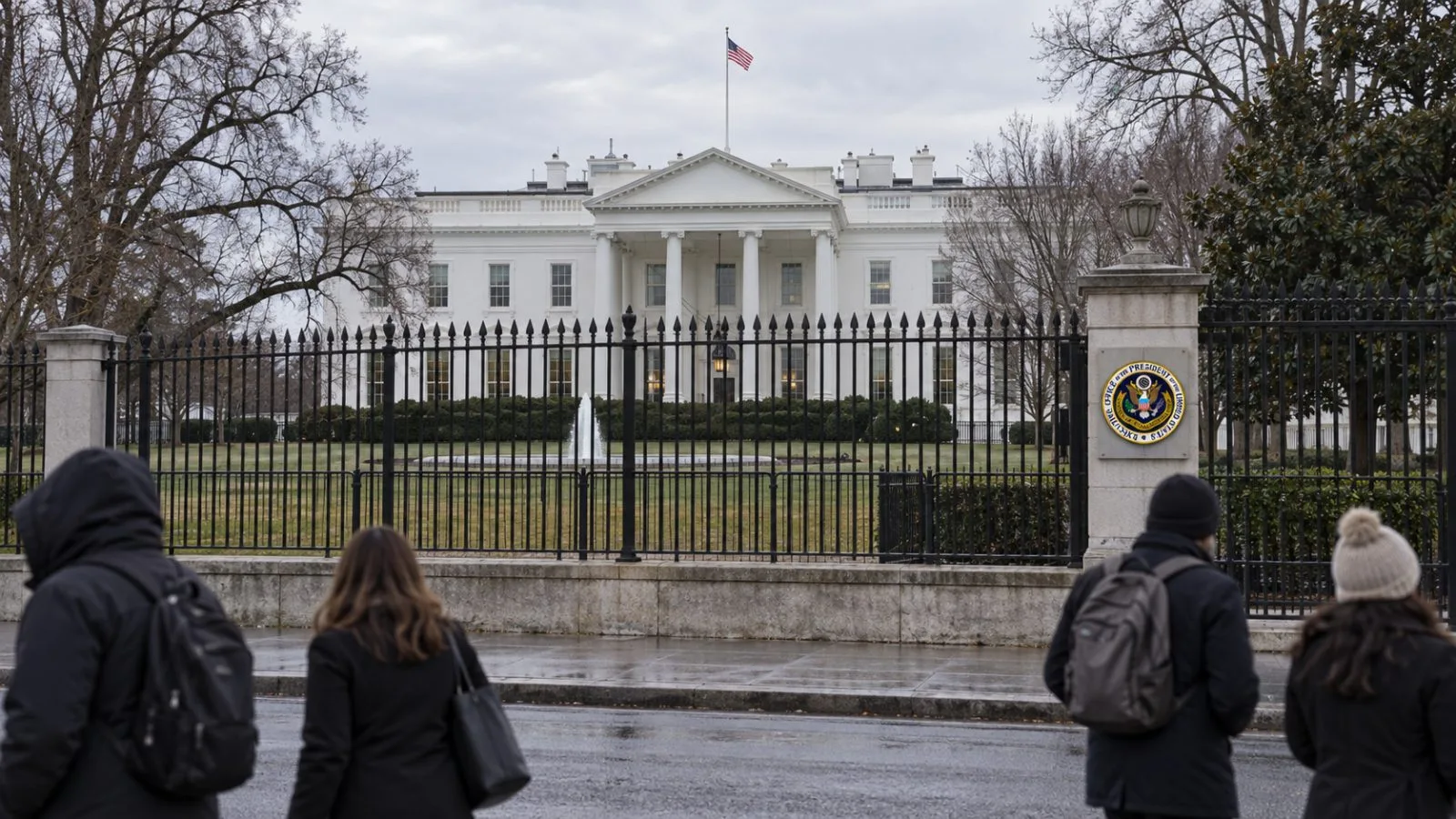
Despite earlier expectations of a bilateral meeting with Donald Trump during the trip, Australia was absent from the White House’s official list of engagements. Local media described this as a diplomatic “snub,” especially after Trump had suggested Albanese would visit him “very soon.”
The recognition of Palestine marks a turning point in Australia’s foreign policy, positioning the country as a supporter of a two-state solution while pressing for peace, accountability, and stability in the region.