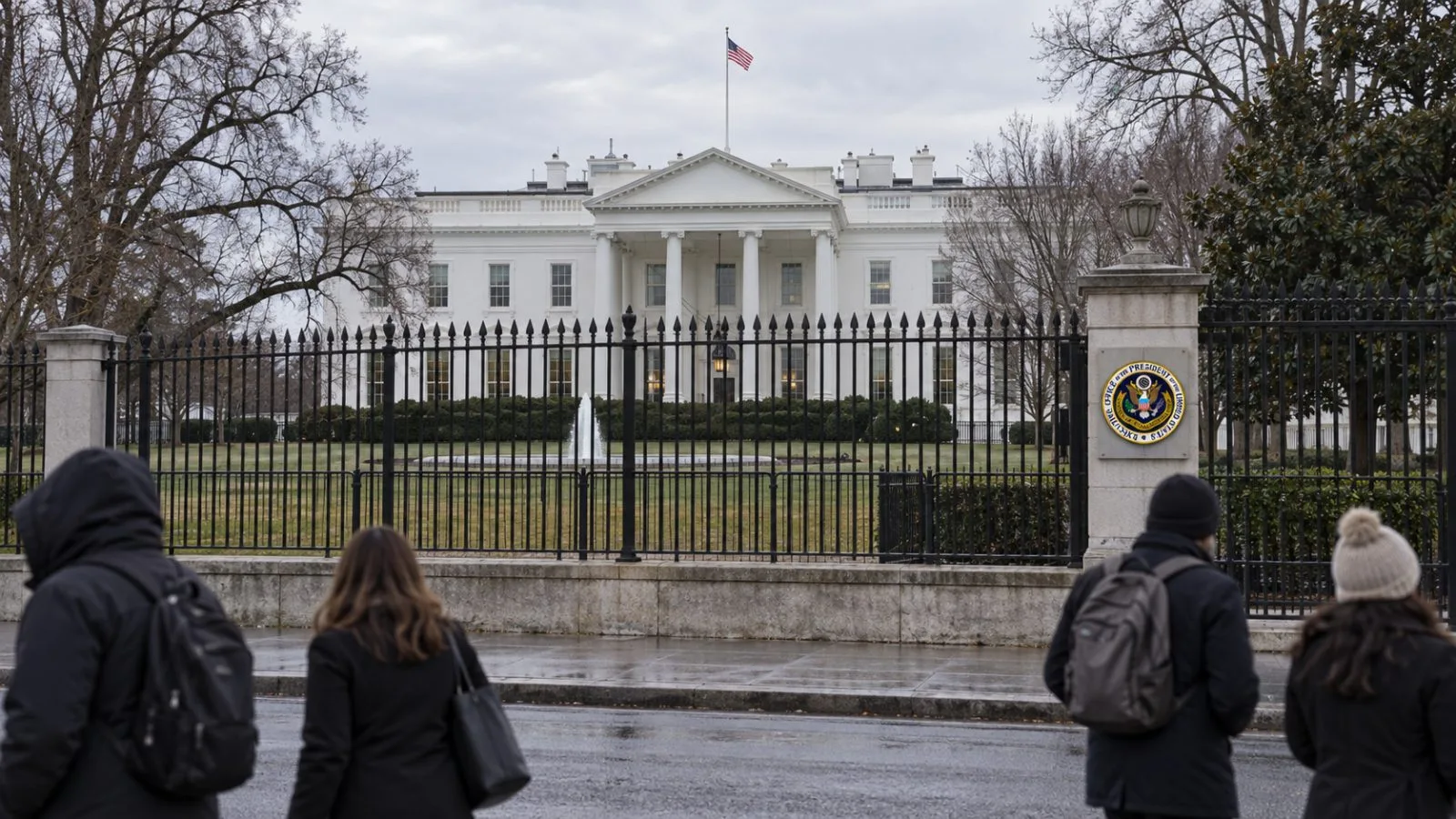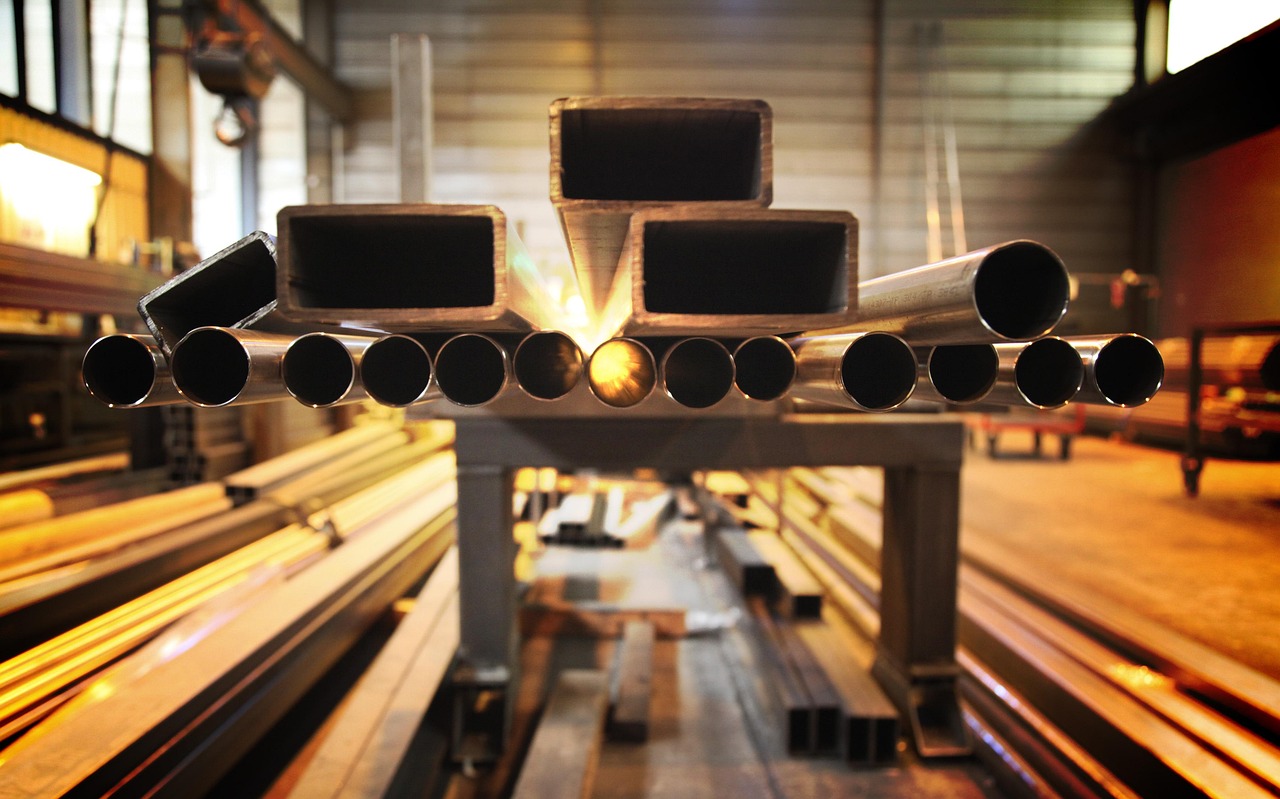
Australia will not impose reciprocal tariffs on the U.S. despite new American duties on steel and aluminium, Prime Minister Anthony Albanese confirmed Wednesday. His statement follows President Donald Trump’s decision to enforce 25% tariffs on all imported steel and aluminium, rejecting exemptions for any country, including Australia.
Albanese criticized the move as "unjustified" and damaging to the economic partnership between the two nations. However, he ruled out retaliatory tariffs, arguing they would only drive up consumer prices and fuel inflation. "Trade wars harm economies and consumers," he stated, emphasizing his intent to lobby the U.S. for a reprieve. Although he requested a phone call with Trump, he has no plans to visit Washington.
Trump’s tariff decision marks a policy shift from his first term when Australia was exempt. The move could impact Australian metal producers and miners supplying raw materials for steelmaking. Scott French, an economics professor at the University of New South Wales, warned of unpredictable ripple effects across global supply chains but anticipated an overall negative impact.
Australia, a major iron ore exporter, contributes little to the global steel market, with its steel and aluminium exports to the U.S. accounting for under 0.2% of total annual exports. The U.S. maintains a trade surplus with Australia, reaching $17.9 billion in 2024, up 1.6% from the previous year.
Trump initially threatened to double tariffs on Canadian steel and aluminium but reversed course within hours, causing market fluctuations. Albanese reaffirmed Australia's commitment to diplomacy over retaliation, prioritizing economic stability.