
A leading Australian arts festival has been thrown into turmoil after dozens of writers withdrew in protest over the decision to bar an Australian Palestinian author following the Bondi Beach mass shooting, reigniting a national debate over antisemitism, censorship, and freedom of speech.
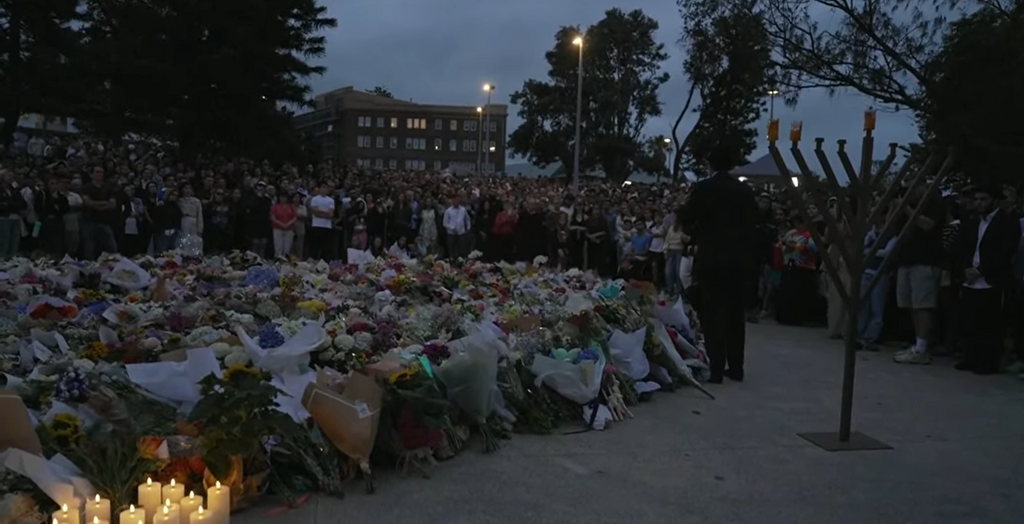
The controversy centres on the Adelaide Festival’s decision to disinvite Dr Randa Abdel-Fattah from its Writers Week program scheduled for February in South Australia. The festival board said the move was taken because it would not be “culturally sensitive” to proceed with her appearance so soon after the Bondi Beach attack, which killed 15 people at a Jewish Hanukkah celebration on December 14. Police have said the alleged gunmen were inspired by the Islamic State militant group, sparking widespread calls to confront rising antisemitism across Australia.
Dr Abdel-Fattah, a Macquarie University academic known for her research on Islamophobia and Palestine, strongly condemned the decision, calling it an act of “anti-Palestinian racism and censorship.” Her legal team subsequently issued a formal letter to the festival. The backlash escalated quickly, with around 50 authors reportedly withdrawing from the festival in solidarity, placing the future of the event in doubt.
Prominent writer Kathy Lette was among those boycotting, arguing on social media that the decision sent a discriminatory message by implying that platforming Australian Palestinians was culturally insensitive. Amid mounting criticism, the Adelaide Festival confirmed that three board members and the chairperson had resigned. Executive director Julian Hobba said the organisation was navigating a “complex and unprecedented moment” following the strong community response.
The dispute unfolds against a broader political backdrop. In the wake of the Bondi Beach shooting, Jewish groups and the Israeli government criticised Prime Minister Anthony Albanese for what they viewed as insufficient action on antisemitic incidents, as well as ongoing protests against Israel’s war in Gaza. Albanese has since announced a Royal Commission into the attack, antisemitism, and social cohesion, and confirmed plans to recall parliament to pass tougher hate speech laws.
Meanwhile, New South Wales Premier Chris Minns announced new measures allowing councils to cut utilities to illegally operating prayer halls linked to hate preaching. Critics, including Fairfield mayor Frank Carbone, warned the rules risk undermining free speech and placing inappropriate responsibility on local councils.


