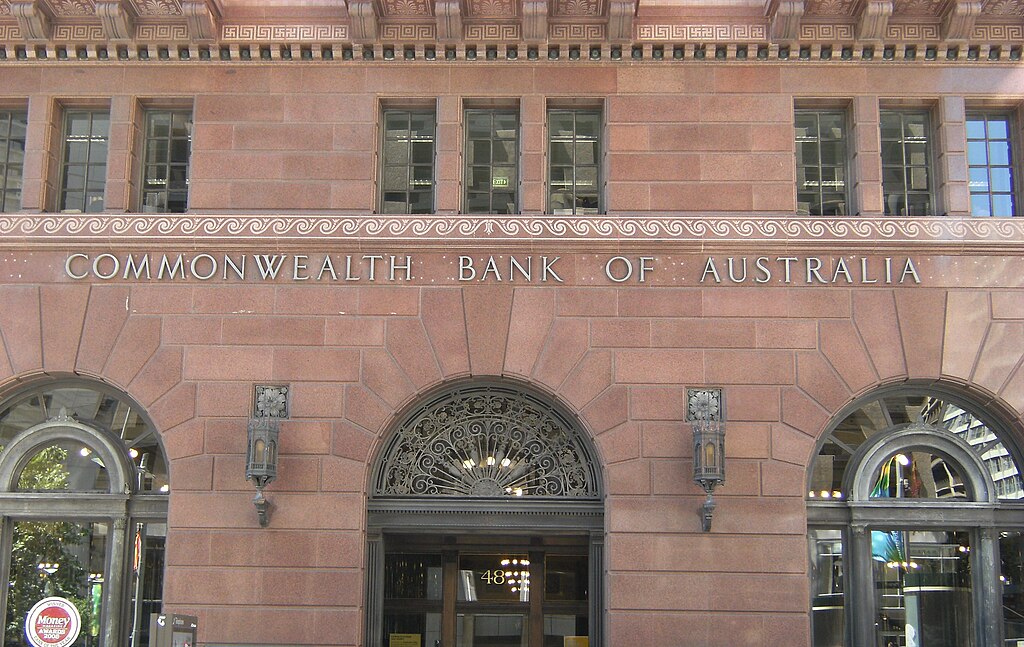
Australian bank stocks took a breather on Monday after a brutal eight-session sell-off wiped over A$63 billion ($40 billion) from market value. The "Big Four" banks—Commonwealth Bank of Australia (CBA), National Australia Bank (NAB), Westpac, and ANZ—saw sharp declines, with some hitting multi-year highs before a downturn fueled by an interest rate cut, weak earnings, and rising bad debts.
Despite strong growth in 2023, boosted by superannuation funds and retail investors, the sector faced headwinds last week after the central bank cut interest rates for the first time since 2020. This, combined with concerns over loan arrears and margin contraction, triggered investor exits from overvalued stocks.
Financial stocks rose 0.8% on Monday but remained down over 7% since February 12, underperforming the ASX200’s 3% decline. CBA, the nation’s top lender, lost 10% in eight sessions, erasing A$25 billion in market value, despite reporting strong first-half profits on February 12. NAB, the leading business lender, snapped a six-day losing streak on Monday but remains down nearly 14%, losing A$18 billion in value after warning of borrower strain and rising defaults.
Westpac and ANZ also reported shrinking margins and increased impaired assets, shedding a combined A$19 billion. However, NAB and ANZ gained over 1% on Monday, while Westpac rose 0.6%.
Analysts at Macquarie warned that the long-expected "de-rating" of the banking sector may have arrived, as valuations remain high despite looming risks. With earnings upgrades slowing and interest rates impacting profitability, further downside pressure on bank shares remains a concern for investors.