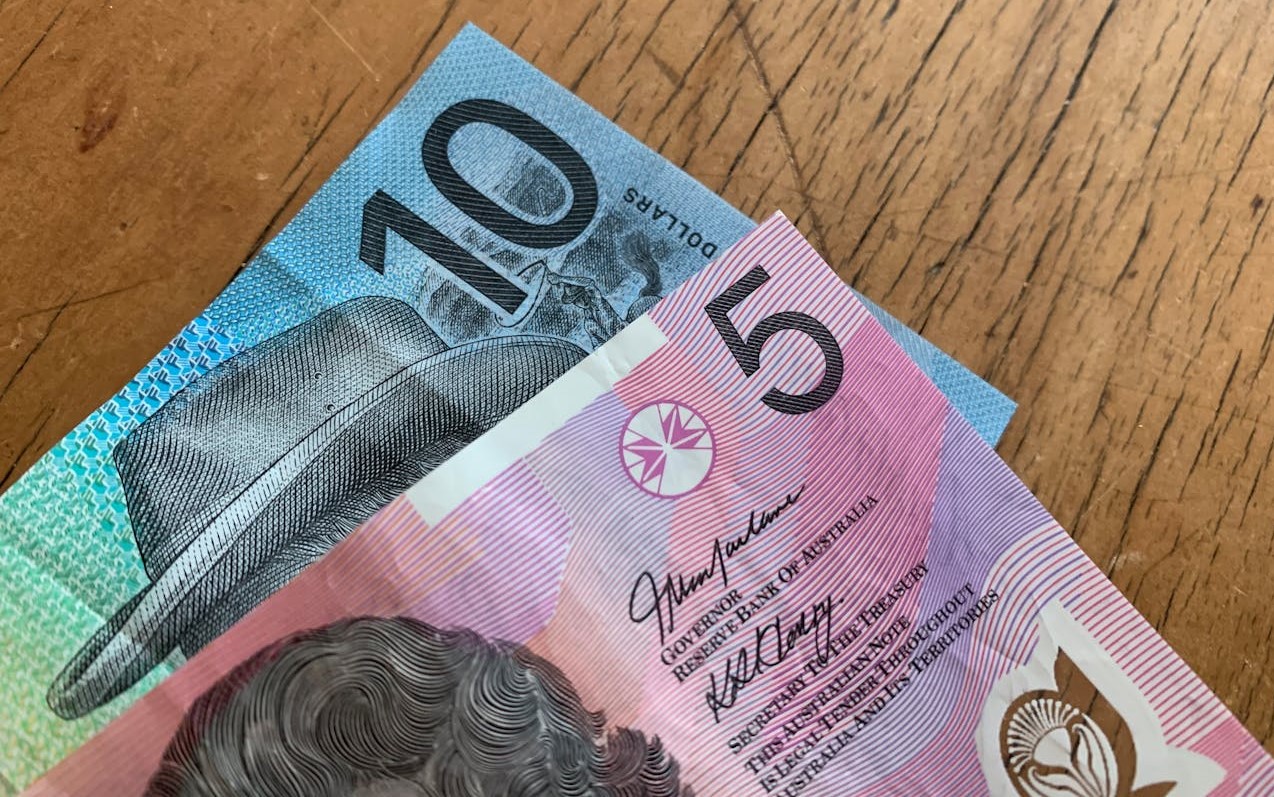
The Australian dollar edged higher after the Reserve Bank of Australia (RBA) kept interest rates unchanged, reinforcing expectations that inflation pressures may persist. The currency rose 0.2% to $0.6639 after the central bank held rates at 3.6% for a third straight month. According to analysts, the RBA’s tone aligned with market expectations, signaling a slightly more hawkish stance. Bank of Singapore strategist Sim Moh Siong noted that the central bank “didn’t try to tamp down hawkish market expectations,” supporting the AUD’s upward momentum. Gains continued after RBA Governor Michele Bullock emphasized that further rate cuts were unnecessary at this time.
In Asia, the Japanese yen strengthened as markets reacted to a 7.5-magnitude earthquake that struck northeast Japan, prompting temporary evacuation orders and tsunami alerts. The yen rose 0.1% against the U.S. dollar to 155.82, as investors sought safe-haven assets amid rising risk aversion ahead of the U.S. Federal Reserve’s policy meeting. Analysts said the quake revived concerns about potential supply-chain disruptions and industrial impacts, contributing to a broader risk-off sentiment.
Global markets are now focused on the Federal Reserve, widely expected to cut rates this week. Fed funds futures indicate an 89% chance of a 25-basis-point reduction. However, uncertainty remains about future policy direction, especially with Kevin Hassett emerging as a top candidate to replace Jerome Powell when his term ends in May. Bond markets reflected this caution, with the U.S. 10-year Treasury yield steady at 4.1702% after recent gains.
The euro traded slightly higher at $1.1645 following comments from an ECB official suggesting the next policy move could be a rate hike. The offshore Chinese yuan also firmed to 7.0684 per dollar, while the British pound gained to $1.3328 and the New Zealand dollar rose to $0.5786. In contrast, cryptocurrencies declined, with bitcoin falling 1.5% to $89,946.76 and ether dropping 1.6% to $3,097.81.