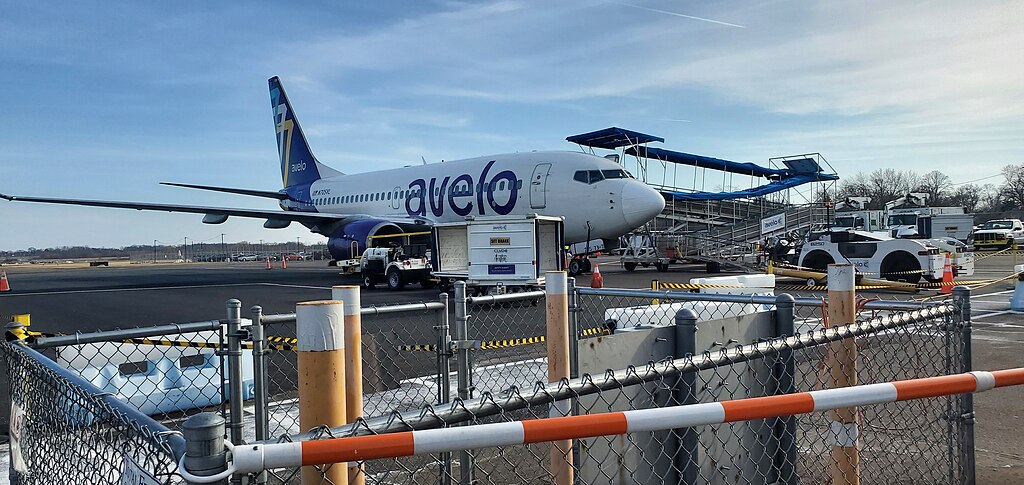
Avelo Airlines, a Texas-based low-cost carrier, announced that it will end its deportation flight operations for the U.S. Department of Homeland Security (DHS) by late January, citing high operational costs and logistical complexity. The airline will also shut down its Mesa, Arizona base on January 27, marking the end of its short-lived charter-only deportation flight program.
The decision represents a major shift for Avelo, which had previously described the DHS contract as “too valuable not to pursue.” Despite early expectations that the agreement would provide stable and predictable revenue, the airline said the program ultimately failed to meet financial and operational expectations.
In a statement, an Avelo spokesperson explained that while the deportation flight initiative delivered short-term benefits, it did not generate enough consistent revenue to offset the complexity and expenses involved. The Mesa base housed three aircraft dedicated exclusively to deportation flights, according to an internal company memo earlier reported by Reuters.
Avelo signed the DHS contract in April of last year to transport migrants to detention facilities both within and outside the United States. The agreement drew criticism and backlash from customers, advocacy groups, and some employees, who opposed the airline’s involvement in deportation operations. Calls for boycotts followed, though Avelo has stated that these actions did not materially impact its core business.
The charter operation was separate from Avelo’s scheduled commercial service, which continues to expand. The airline reported carrying a record 2.6 million passengers in 2025, representing an 11% year-over-year increase. This growth highlights Avelo’s continued focus on its low-cost commercial routes despite the challenges faced by its government charter business.
By exiting the deportation flight program and closing its Arizona base, Avelo appears to be refocusing its strategy on passenger travel and operational simplicity. The move underscores the financial and reputational risks airlines can face when entering specialized government contracts, even when initial revenue projections appear attractive.
As Avelo Airlines looks ahead, the company is expected to concentrate on expanding its commercial network while maintaining cost discipline in a competitive U.S. airline market.