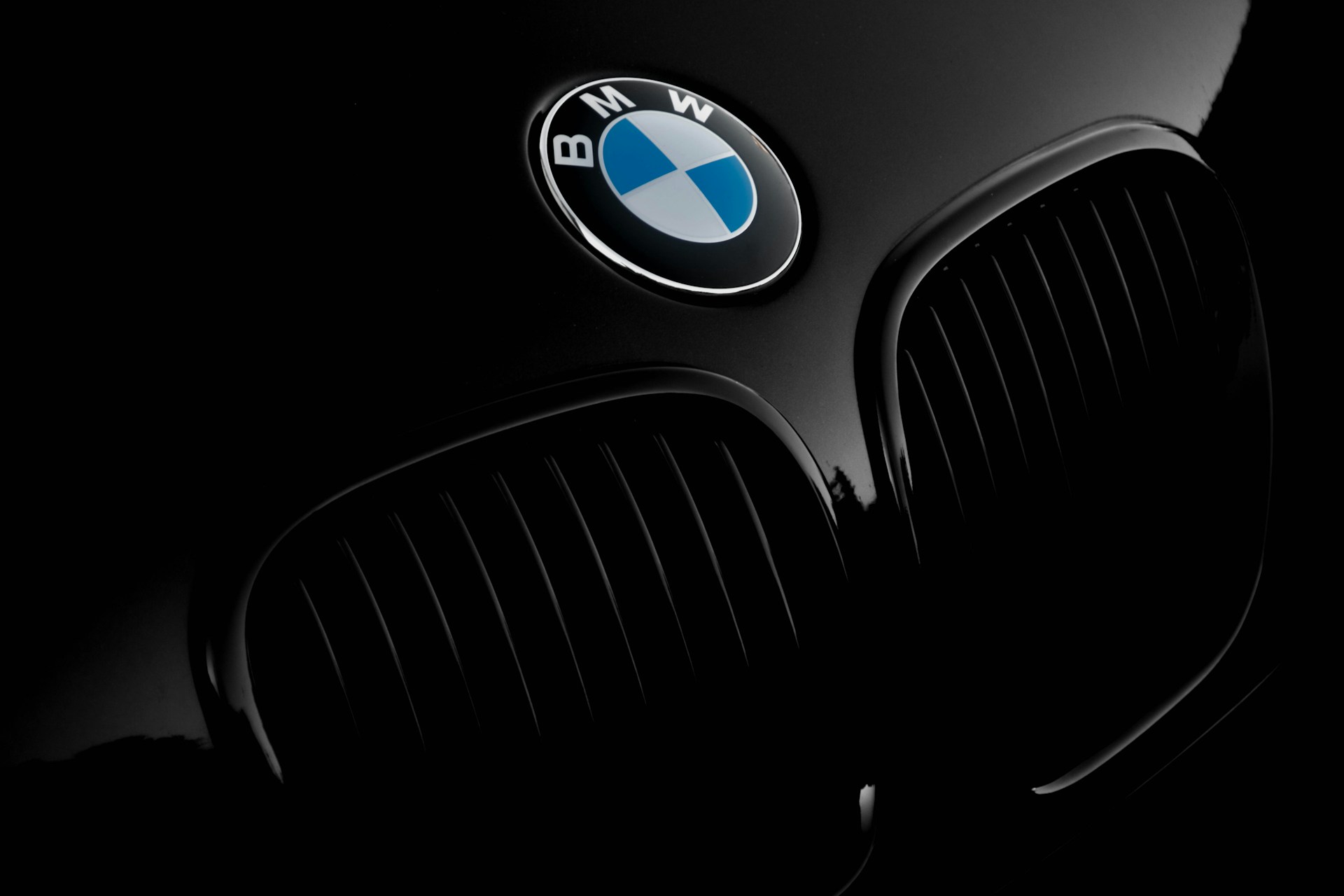
BMW (ETR:BMWG) sees no need for a special deal with the U.S. to bypass potential import tariffs, citing its strong presence in the country. The automaker’s South Carolina plant, its largest globally, exports extensively to China, Germany, and Britain, allowing BMW to adjust production if U.S. President Donald Trump enforces a 25% tariff on vehicle imports.
“We are the largest vehicle exporter from the U.S. by value,” said Chief Purchasing Officer Joachim Post at an event in Landshut, Germany, highlighting BMW’s ability to shift production locally if needed. When asked about negotiating an exemption, he stated, “I don’t see a situation where we need our own deal.”
Rival automakers like Audi and Porsche, both under Volkswagen (ETR:VOWG_p), lack U.S. production and could face greater tariff challenges. VW CEO Oliver Blume emphasized the company’s U.S. investments, advocating for preferential treatment.
Meanwhile, BMW continues leveraging its flexible production strategy, accommodating combustion, hybrid, and electric vehicles. “The U.S. has always had varied preferences for drive systems, and that will persist,” Post noted.
As European automakers, including Mercedes-Benz (OTC:MBGAF) and VW, cut costs by shifting production to Eastern Europe, BMW remains committed to manufacturing key Neue Klasse EV components in Germany and Austria. Its Landshut plant will produce the "Energy Master" battery control unit, enabling remote software updates, while Steyr, Austria, will manufacture the electric motor. Production at both sites begins in summer 2025.
By maintaining its technological versatility and strategic production network, BMW remains well-positioned to navigate tariff uncertainties while advancing its EV ambitions.