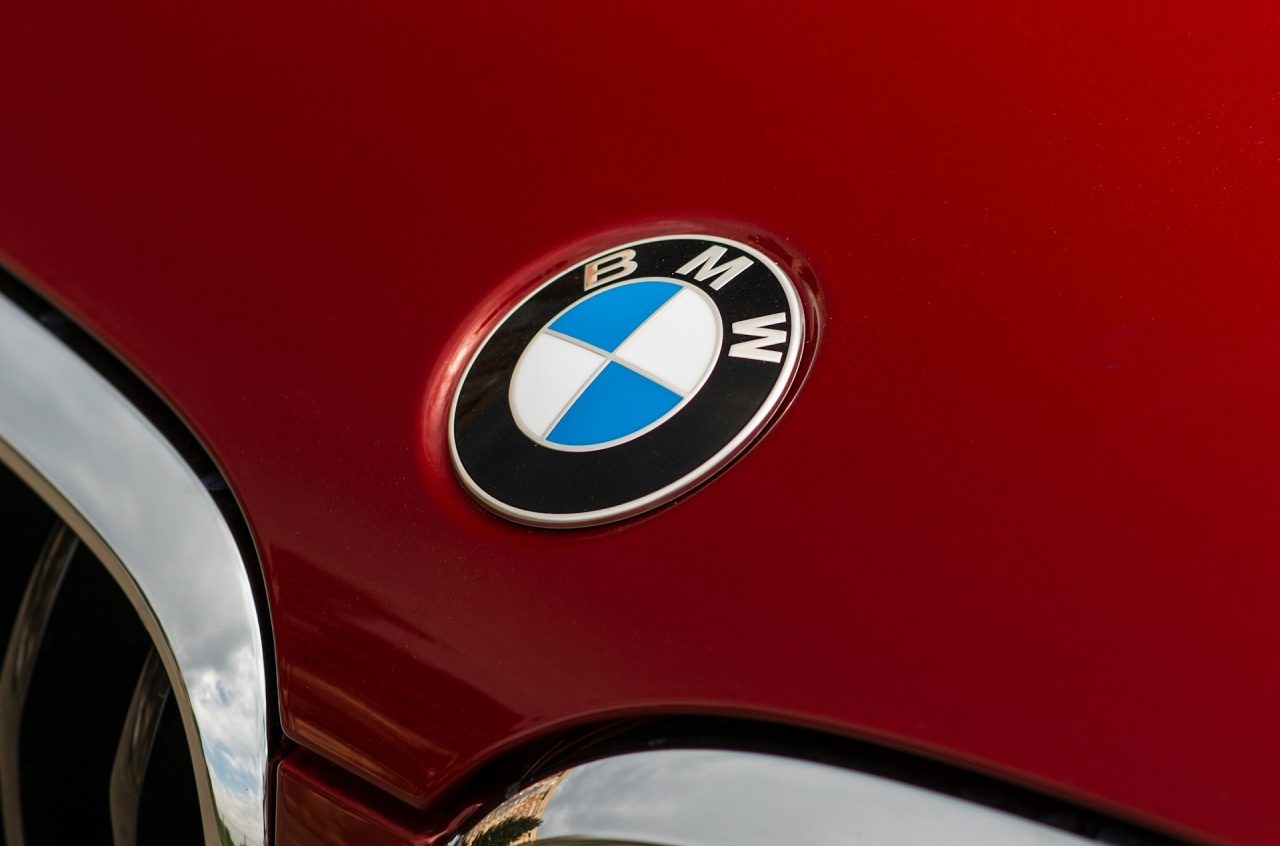
BMW has announced a major recall affecting more than 145,000 vehicles in the United States after federal regulators identified a defect that could pose a fire hazard. According to the U.S. National Highway Traffic Safety Administration (NHTSA), certain engine starters installed in specific 2020 model year vehicles have the potential to overheat, increasing the risk of a fire.
The recall impacts three popular BMW models: the 2020 BMW 340i, BMW X5, and BMW X7. Owners of affected vehicles are advised to contact their dealerships immediately. BMW dealers will replace the faulty engine starters at no cost to consumers, ensuring that repairs are both efficient and safe.
This announcement comes just days after another recall by BMW, which covered more than 196,000 vehicles in the U.S. for a similar engine starter issue that could result in overheating and potential short circuiting. The back-to-back recalls highlight the automaker’s focus on addressing safety concerns promptly and in coordination with NHTSA.
While no widespread incidents have been reported yet, BMW and NHTSA stress that the risk should not be underestimated. Engine starter overheating can lead to smoke, electrical damage, or in severe cases, fire, posing dangers to both drivers and passengers.
Vehicle safety recalls are not uncommon in the automotive industry, but BMW’s consecutive recall notices emphasize the importance of timely vehicle maintenance and compliance with manufacturer alerts. Owners are encouraged to check their Vehicle Identification Number (VIN) on the NHTSA website or contact BMW directly to confirm if their car is part of the recall.
By acting quickly and offering free repairs, BMW aims to reassure customers of its commitment to safety and quality. Drivers who respond to the recall notice promptly will significantly reduce the risks associated with this defect.