


 BlackRock’s Rick Rieder Favors Bonds Over Stocks as Treasury Yields Surge
  China Cuts Tariffs on U.S. Farm Goods but Excludes Soybeans
  Oil Prices Jump Nearly 3% as Iran Holds Firm on Hormuz Conditions
  Trump Eyes $54 Billion South Korean Investment in Alaska LNG
  Asian Stocks Fall as Oil Surge, Bond Yields and AI Concerns Hit Markets
  Asian Stocks Fall as Bond Yields and Oil Prices Surge
  Gold Plunges 4% as Treasury Yields Surge and Fed Rate Hike Bets Rise
  Japan Factory Output Unexpectedly Falls 1.7% in August
  RBA Set for September Rate Hike as Inflation Stays High
  RBI Uses $10 Billion Currency Swaps to Drain Excess Rupee Liquidity
  BOJ Flags Import Costs and Yen Shocks as Persistent Inflation Risks


 Add as a preferred source on Google
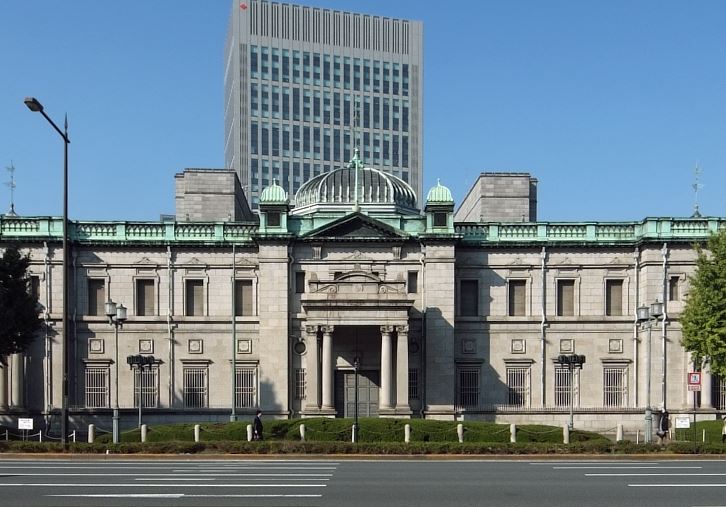
Bank of Japan Governor Kazuo Ueda said Japan’s underlying inflation is steadily accelerating and moving closer to the central bank’s long-standing 2% target, reinforcing expectations that interest rate hikes will continue if economic conditions improve as projected. Speaking to Japan’s powerful business lobby Keidanren, Ueda emphasized that real interest rates remain extremely low, giving the BOJ room to adjust monetary policy as prices and wages rise.
Ueda explained that gradually reducing monetary stimulus would help Japan achieve stable 2% inflation alongside sustainable long-term economic growth. His comments follow the BOJ’s recent decision to raise interest rates to 0.75%, the highest level in about 30 years, marking another decisive step away from decades of ultra-loose monetary policy and near-zero borrowing costs.
According to Ueda, the latest rate increase reflects growing confidence within the BOJ that external risks, including potential negative impacts from U.S. tariffs, have eased. He added that tighter monetary conditions could encourage companies to continue raising wages next year, supporting a virtuous cycle between pay growth and inflation.
The BOJ governor also highlighted structural factors supporting inflation, noting that Japan’s declining working-age population has led to persistently tight labor market conditions. Unless a major economic shock occurs, these conditions are expected to continue pushing wages higher. Companies are increasingly passing on higher labor and raw material costs not only for food, but also across a broader range of goods and services, signaling that Japan’s wage-price mechanism is strengthening.
Investors have closely watched Ueda’s tone after his previous remarks were viewed as dovish and triggered a weaker yen. Currency depreciation has become a concern for policymakers, as it raises import costs and adds pressure on household consumption.
While the BOJ is widely expected to keep interest rates unchanged at its next policy meeting on January 22–23, analysts say the quarterly update to growth and inflation forecasts could provide fresh clues on how policymakers view inflation risks linked to the weak yen. Overall, Ueda’s comments suggest Japan’s path toward policy normalization remains gradual but firmly on track.







