


 Australia Inflation Accelerates to 4% After RBA Rate Hike
  RBA Hikes Interest Rate to 4.60% as Inflation Risks Rise
  Fed’s Williams Signals One More Rate Hike Before Year-End
  Japan Factory Output Unexpectedly Falls 1.7% in August
  BOJ Set for Rate Hike as Inflation and Yen Pressure Mount
  US Stocks Slip as Treasury Yields Ease, AI Trade Rebounds
  Japanese Yen Retreats as Dollar Rises Ahead of Fed, BOJ Rate Decisions
  Yen Sinks as BOJ Rate Hike Fails to Impress Markets
  US Treasury Bond Buybacks Fall Short Despite Expanded $6 Billion Cap
  US Alcohol Ban Exposes Canada’s Internal Trade Barriers
  Asian Stocks Rise as Bond Yields Ease Ahead of U.S. Inflation Data
  Asian Stocks Fall as Bond Yields and Oil Prices Surge


 Add as a preferred source on Google
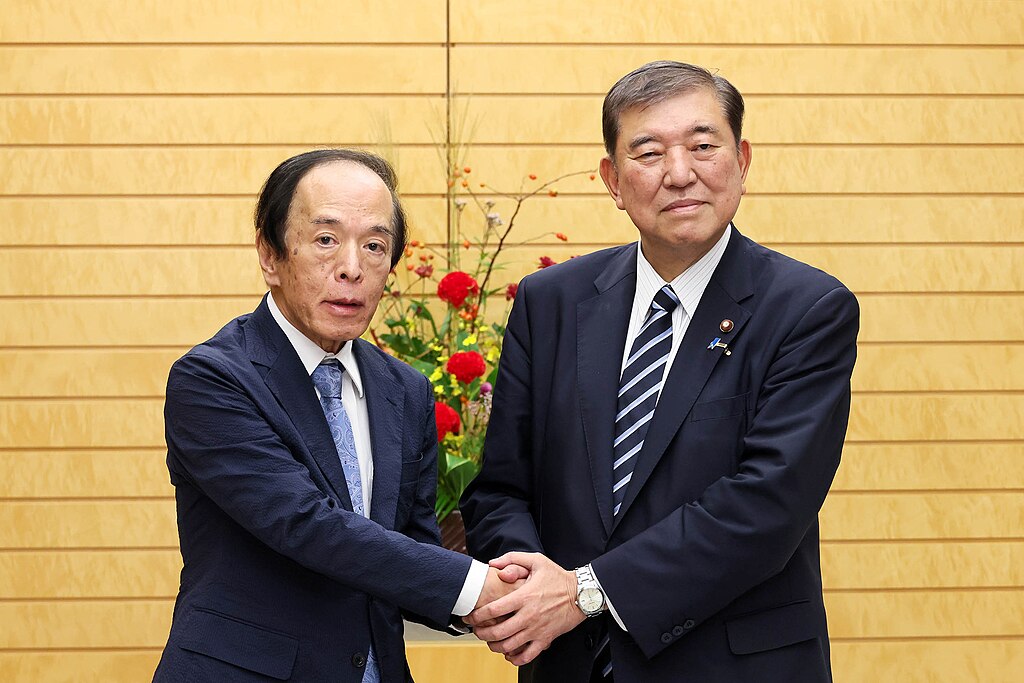
Bank of Japan Governor Kazuo Ueda emphasized the central bank's cautious stance on future monetary policy in response to heightened global uncertainties, particularly stemming from U.S. tariffs. Speaking to parliament on Wednesday, Ueda noted that the BOJ will closely examine how U.S. trade measures, including auto and reciprocal tariffs, could impact Japan’s economy and inflation.
“Domestic and overseas economic uncertainties have risen due to U.S. tariff actions,” Ueda stated. “We will continue to carefully assess their effects on Japan’s economy and prices through various channels.”
The BOJ ended its ultra-loose monetary policy last year, raising interest rates to 0.5% in January 2025 after concluding Japan was nearing a sustainable 2% inflation rate. However, the recent global trade tensions, sparked by former President Donald Trump’s sweeping tariffs, have complicated the central bank’s plan to gradually tighten policy.
Ueda reiterated that previous rate hikes were based on steadily rising underlying inflation and the strategic goal of avoiding more aggressive rate increases in the future. He underscored that removing excessive stimulus early supports long-term economic stability and sustainable growth.
When pressed by lawmakers for a stronger commitment to counter tariff-related economic headwinds, Ueda declined to give firm language, citing ongoing uncertainty over the direction of U.S. trade policy.
“We will scrutinize developments and assess their impact on the economy, prices, and financial markets,” Ueda said. “Our policy guidance will be based on thorough projections.”
The BOJ's next policy meeting is scheduled for April 30 to May 1, where analysts widely expect the central bank to keep interest rates steady at 0.5% and provide updated economic forecasts.







