


 Fed’s Hammack Says Bond Yield Surge Is Not Driven by Inflation Fears
  Oil Prices Jump Nearly 3% as Iran Holds Firm on Hormuz Conditions
  BOJ Set for 25-Basis-Point Rate Hike as Yen Weakness Fuels Inflation
  RBA Says ASX Still Falls Short on Governance and Risk Controls
  Gold Plunges 4% as Treasury Yields Surge and Fed Rate Hike Bets Rise
  RBA Hikes Interest Rate to 4.60% as Inflation Risks Rise
  BOJ Flags Import Costs and Yen Shocks as Persistent Inflation Risks
  US Stocks Slip as Treasury Yields Ease, AI Trade Rebounds
  Dollar Eases Near Two-Month High as Yen Rebounds
  Asian Currencies Mixed as Yen Weakens, RBA Hike Looms
  ECB May Stop Rate Hikes After December, Capital Economics Says
  UK Housebuilder Stocks Surge on New First-Time Buyer Loan Scheme


 Add as a preferred source on Google
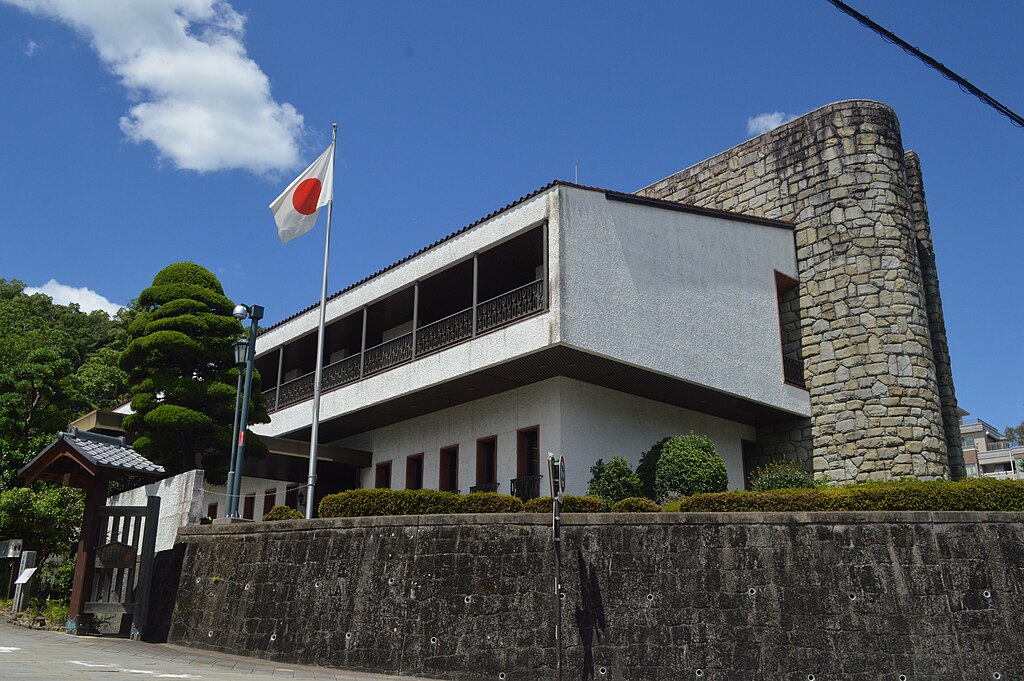
The Bank of Japan (BOJ) is widely expected to keep interest rates steady at 0.5% during its two-day policy meeting ending Thursday, while offering a cautiously optimistic outlook on the economy following a new trade deal with the United States.
Markets are closely watching BOJ Governor Kazuo Ueda for any signals on potential rate hikes later this year as the yen weakens toward 150 per dollar, raising import costs and inflationary pressures. Analysts warn a break above this level could prompt calls for intervention or accelerated rate increases.
The Japan-U.S. trade agreement, signed earlier this month, reduces U.S. tariffs on Japanese automobile exports, easing concerns for Japan’s export-driven economy. This has revived expectations that the BOJ could raise rates to 0.75% by year-end, especially as stubbornly high food prices keep core inflation above the bank’s 2% target.
Recent data showed factory output rising 1.7% in June, defying forecasts of a decline and signaling resilience against U.S. tariffs. The BOJ is likely to upgrade its inflation outlook in its quarterly report but maintain its stance that demand-driven price growth remains insufficient to justify aggressive tightening.
The decision comes a day after the U.S. Federal Reserve held rates steady, with Chair Jerome Powell’s comments reducing market bets on a September cut. While the IMF slightly raised its global growth forecast on front-loaded demand, it warned of risks from potential tariff escalations.
The BOJ ended its decade-long stimulus in January and raised rates for the first time in years, but policymakers remain cautious amid global trade uncertainties. Economists expect the next rate hike as early as December 2025, barring significant economic shocks.







