


 Europe’s AI Data Centre Boom Strengthens Case for Nuclear Power
  China, US Extend Trade Truce Through January 10 After Trump-Xi Summit
  U.S. Stock Futures Fall as Iran, Oil and AI Risks Rattle Markets
  South Korea Exports Set for 16th Monthly Gain on AI Chip Demand
  RBI Uses $10 Billion Currency Swaps to Drain Excess Rupee Liquidity
  BOJ Flags Import Costs and Yen Shocks as Persistent Inflation Risks
  Fed Unveils Stablecoin Rules Under GENIUS Act
  Gold Rebounds as Oil Falls and Treasury Rout Eases
  BOJ Set for 25-Basis-Point Rate Hike as Yen Weakness Fuels Inflation
  Japan Warns Markets Over Yen Weakness
  RBA Set for September Rate Hike as Inflation Stays High
  Fed Unveils Stablecoin Rules Under GENIUS Act
  BlackRock’s Rick Rieder Favors Bonds Over Stocks as Treasury Yields Surge
  RBA Hikes Interest Rate to 4.60% as Inflation Risks Rise


 Add as a preferred source on Google
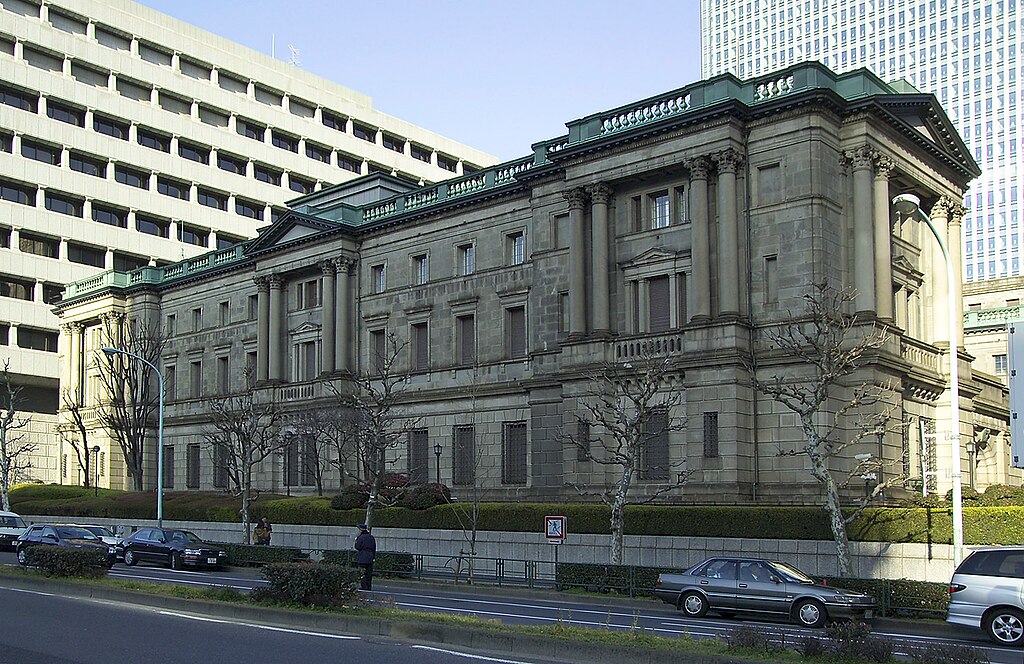
Bank of Japan Governor Kazuo Ueda reaffirmed on Thursday that Japan's real interest rates remain firmly in negative territory, signaling that the country's financial conditions continue to support economic growth. His remarks, delivered before parliament, highlighted the central bank's commitment to sustaining a monetary environment that encourages private sector investment.
Ueda acknowledged a potential concern surrounding increased government fiscal spending, noting that higher public expenditure could theoretically push up market interest rates and squeeze out private investment — a phenomenon economists commonly refer to as "crowding out." However, he was quick to point out that current conditions do not warrant alarm, as both short- and medium-term real interest rates in Japan are clearly negative, keeping borrowing costs effectively low for businesses and households alike.
The governor emphasized that these accommodative financial conditions are already producing tangible results, pointing to a moderate but steady upward trend in private capital expenditure. This suggests that Japanese businesses are responding positively to the low-rate environment by ramping up spending on equipment, infrastructure, and expansion — a key driver of long-term productivity and economic resilience.
Ueda's comments come at a time when global central banks are navigating complex trade-offs between controlling inflation and sustaining growth. Japan, historically battling deflationary pressures, has maintained an ultra-loose monetary policy stance for years. The central bank's ongoing commitment to negative real rates reflects a deliberate strategy to stimulate domestic demand and support wage growth without tightening prematurely.
For investors and market watchers, Ueda's parliamentary remarks reinforce expectations that the Bank of Japan will proceed cautiously with any policy normalization. As long as real rates remain negative and private investment continues its upward momentum, a significant shift in monetary policy direction appears unlikely in the near term.







