


 RBI Uses $10 Billion Currency Swaps to Drain Excess Rupee Liquidity
  Gold Slides Below $4,300 as Oil Surge Fuels Fed Rate Hike Bets
  RBA Hikes Interest Rate to 4.60% as Inflation Risks Rise
  UK Housebuilder Stocks Surge on New First-Time Buyer Loan Scheme
  Oil Prices Rise as Iran Holds Firm on Strait of Hormuz Deal
  US Dollar Hits Two-Month High as Aussie, Pound Slide
  China Cuts Tariffs on U.S. Farm Goods but Excludes Soybeans
  China, US Extend Trade Truce Through January 10 After Trump-Xi Summit
  Asian Stocks Fall as Bond Yields and Oil Prices Surge
  Japanese Yen Retreats as Dollar Rises Ahead of Fed, BOJ Rate Decisions
  BOJ Set to Raise Rates to 1.25% as Inflation Risks Build
  ECB May Stop Rate Hikes After December, Capital Economics Says
  Nvidia China Chip Sales Report Sends Chinese Semiconductor Stocks Lower
  Yen Sinks as BOJ Rate Hike Fails to Impress Markets


 Add as a preferred source on Google
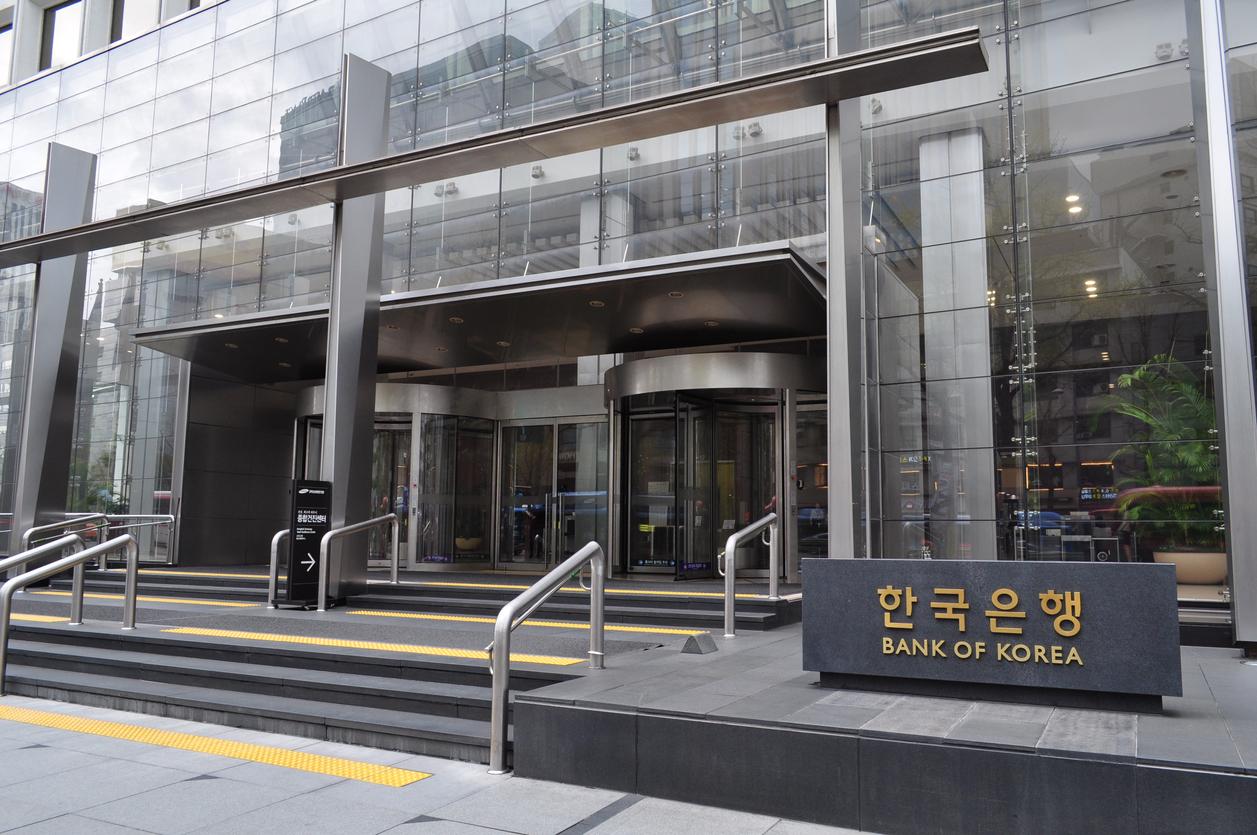
South Korea's nominee for Bank of Korea (BOK) governor, Shin Hyun-song, emphasized the need for an adaptable monetary policy stance on Tuesday, citing escalating risks tied to the ongoing Iran war as the primary threat to the country's economic stability.
Speaking to reporters, Shin pushed back against rigid labels in central banking, stating that categorizing policymakers strictly as hawkish or dovish is counterproductive. Instead, he argued that effective monetary leadership requires reading economic conditions carefully and responding accordingly — a philosophy he intends to bring to the central bank if confirmed.
Shin identified the Middle East conflict as the single greatest risk facing South Korea, Asia's fourth-largest economy. He expressed support for the government's proposed supplementary budget, framing it as a necessary lifeline for low-income households facing financial hardship as a result of the war's economic fallout. Despite concerns that extra spending could fuel inflation, Shin downplayed those risks, noting that the budget's scope and structure would limit any significant upward pressure on prices.
On the currency front, Shin said he was not alarmed by the South Korean won's recent depreciation, even as it fell to its weakest point since March 2009, hitting 1,528.6 per dollar on Tuesday. He pointed to stable domestic liquidity conditions as a key reason for his measured outlook on foreign exchange movements.
The BOK kept interest rates unchanged last month and signaled that rates could remain on hold through August, supported by robust semiconductor export performance and manageable inflation levels that have given policymakers room to monitor financial stability risks.
Shin, who currently heads the economic department at the Bank for International Settlements (BIS), was nominated last week by President Lee Jae Myung. He is set to undergo a parliamentary confirmation hearing before formally assuming the role.







