


 Gold Prices Slip as High Treasury Yields Weigh on Bullion
  Fed Unveils Stablecoin Rules Under GENIUS Act
  Yen Sinks as BOJ Rate Hike Fails to Impress Markets
  Japan Factory Output Unexpectedly Falls 1.7% in August
  Japanese Yen Retreats as Dollar Rises Ahead of Fed, BOJ Rate Decisions
  Gold Holds Near Seven-Week Low as Fed Rate Hike Bets Rise
  South Korea Exports Surge 83.5% on AI Chip Boom
  Trump Eyes $54 Billion South Korean Investment in Alaska LNG
  South Korea Exports Set for 16th Monthly Gain on AI Chip Demand
  US Stocks Slip as Treasury Yields Ease, AI Trade Rebounds
  Gold Rebounds as Oil Falls and Treasury Rout Eases
  Gold Steady as Softer U.S. Inflation Eases Fed Rate Hike Bets
  RBI Uses $10 Billion Currency Swaps to Drain Excess Rupee Liquidity
  Asian Currencies Mixed as Yen Weakens, RBA Hike Looms


 Add as a preferred source on Google
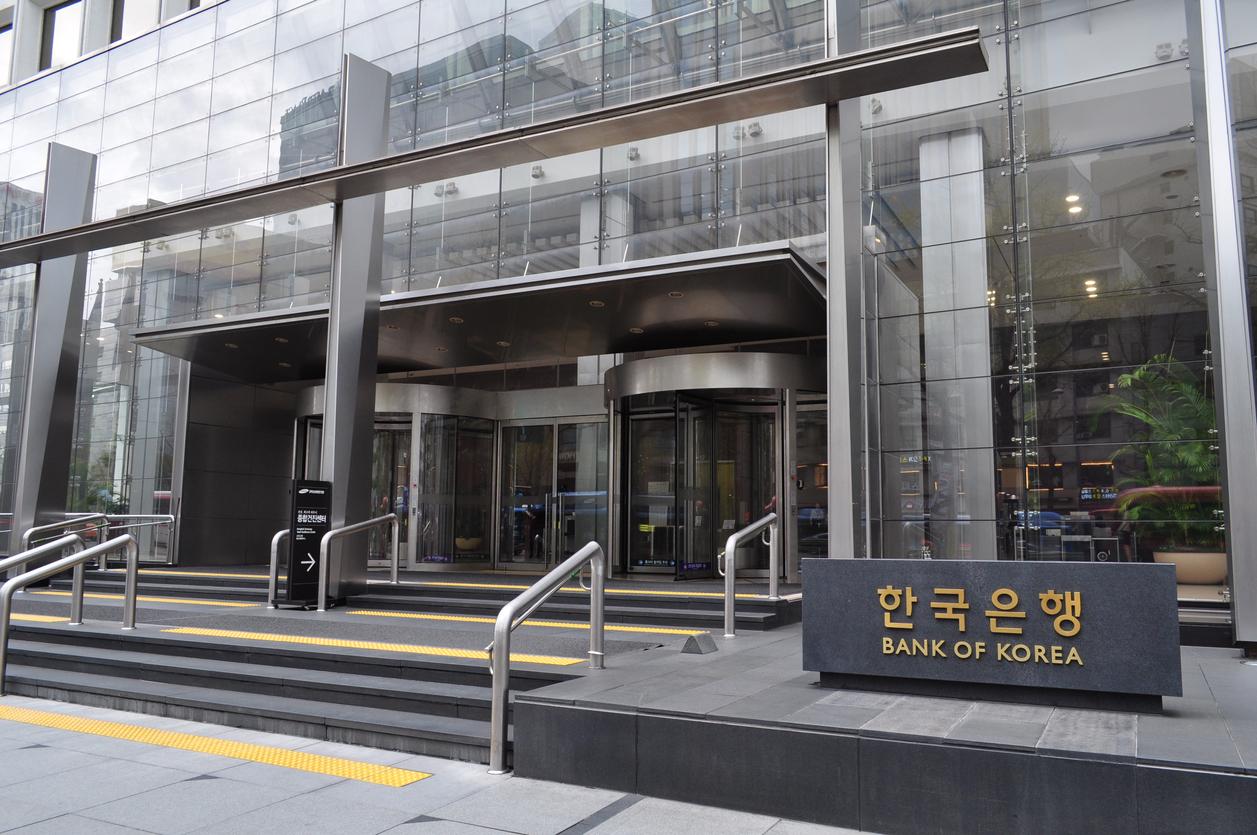
The Bank of Korea (BOK) is expected to maintain its benchmark interest rate at 2.75% on April 17, according to a Reuters poll of 37 economists. This marks the second pause in the central bank’s rate-cutting cycle, which began in October. The previous hold came in January as policymakers assessed political instability's economic impact.
With growing concerns over U.S. President Donald Trump’s ongoing tariff war and extreme currency volatility, the BOK is taking a cautious stance. Exports, which account for nearly half of South Korea’s GDP, are vulnerable to global trade tensions. A recent 90-day tariff reprieve helped the Korean won rebound slightly after it plunged to a 16-year low on April 9.
Of those surveyed, 24 economists foresee a hold this month, while 13 expect a 25 basis point cut. However, 27 of 30 analysts predict the BOK will lower the rate to 2.50% in May, with more easing likely next quarter.
Kathleen Oh, chief Korea economist at Morgan Stanley, said the BOK is likely to deliver a dovish hold in April while monitoring the impact of reciprocal tariffs and market volatility. She anticipates a downward revision of South Korea’s growth forecast in May.
Despite the temporary tariff relief, uncertainty remains. Economist Stephen Lee from Meritz Securities noted that although South Korea may secure an early waiver, the broader tariff measures were more extensive than anticipated. He argued the BOK must adjust its assumptions and respond proactively with further rate cuts.
By year-end, over half of economists expect rates to drop to 2.25%, a level seen as neutral for the economy. Nine forecast even deeper cuts to 2.00% or below, reflecting mixed expectations amid ongoing global trade uncertainty.







