


 Oil Prices Jump Nearly 3% as Iran Holds Firm on Hormuz Conditions
  BlackRock’s Rick Rieder Favors Bonds Over Stocks as Treasury Yields Surge
  Asian Stocks Fall as Oil Surge, Bond Yields and AI Concerns Hit Markets
  BOJ Flags Import Costs and Yen Shocks as Persistent Inflation Risks
  Yen in Focus as BOJ, Fed Rate Hikes Reshape Currency Markets
  Japan Factory Output Unexpectedly Falls 1.7% in August
  BOJ Signals Faster Rate Hikes as Inflation Risks Grow
  US Alcohol Ban Exposes Canada’s Internal Trade Barriers
  US Dollar Hits Two-Month High as Aussie, Pound Slide
  RBA Says ASX Still Falls Short on Governance and Risk Controls
  Asian Currencies Weaken as Dollar, Oil Prices Rise
  Fed’s Williams Signals One More Rate Hike Before Year-End


 Add as a preferred source on Google
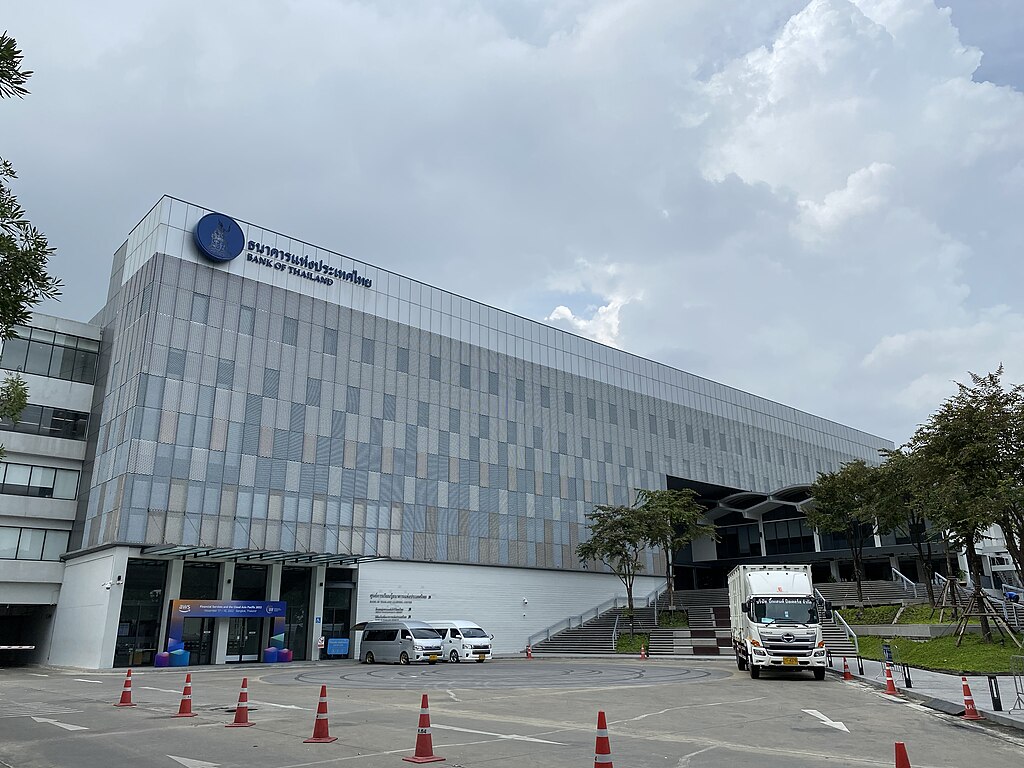
The Bank of Thailand (BoT) has decided to maintain its accommodative monetary policy stance to sustain the country’s fragile economic recovery, according to the minutes of its October 8 policy meeting released Wednesday. The Monetary Policy Committee (MPC) unexpectedly voted 5-2 to keep the one-day repurchase rate unchanged at 1.50%, highlighting the importance of timing and policy effectiveness amid limited room for further easing.
The minutes revealed that most members agreed the effects of previous rate cuts were still filtering through the economy. Policymakers emphasized the need to assess ongoing measures before making additional adjustments. “Most members placed importance on the timing and effectiveness of monetary policy given the limited policy space and therefore voted to maintain the policy rate at this meeting,” the report stated.
Over the past year, the BoT has reduced its key interest rate four times to stimulate growth in Southeast Asia’s second-largest economy. Thailand continues to face challenges such as high household debt, global trade tensions—particularly U.S. tariffs—and a strong baht that hampers exports and tourism competitiveness.
The central bank forecasts economic growth of 2.2% in 2025 and 1.6% in 2026, compared to 2.5% last year, which already lagged behind regional peers. Newly appointed Governor Vitai Ratanakorn, who assumed office in early October, has reiterated the bank’s readiness to further cut interest rates if inflation remains subdued and growth fails to pick up momentum.
The next monetary policy review is scheduled for December 17, where analysts anticipate the possibility of another rate reduction should economic indicators show continued weakness. The BoT remains committed to using all available tools to ensure stable inflation and foster a sustainable economic recovery amid global uncertainties.







