


 Trump Defends Russian Diesel Deal Amid US Sanctions Backlash
  Jordan Bardella Antisemitism Allegations Threaten Le Pen’s Campaign
  Kim Jong Un Showcases ICBM Ahead of Possible Trump Meeting
  Zelenskiy Says Ukraine Received No Warning Before Russian Missile Attack
  Trump Sanctions International Criminal Court, Sparking EU Backlash
  Trump Denies Russia and China Are Helping Iran in U.S. Conflict
  Mahmoud Abbas Postpones Palestinian Elections to September 2027
  North Korea Fires Ballistic Missiles Amid Rising Tensions With South Korea
  Flavio Bolsonaro Backs Brazil’s 40-Hour Workweek Reform Ahead of Runoff
  Panama Declares Emergency After 7.7 Earthquake Triggers 200 Aftershocks
  Trump Denies China, Russia Are Helping Iran in War
  NATO Commander Warns Russia of Devastating Response to Attack
  Greenland Lawmakers Back Trump Security Deal Despite Economic Concerns
  US Senate Midterms 2026: Key Races That Could Flip Control
  US Authorities Raid Ilhan Omar’s Home Amid Immigration Fraud Probe
  European Auto Stocks Rise as EU-China Trade Deal Targets Hybrid Imports
  US Condemns China Sanctions on Taiwan Allies Belize and Paraguay


 Add as a preferred source on Google
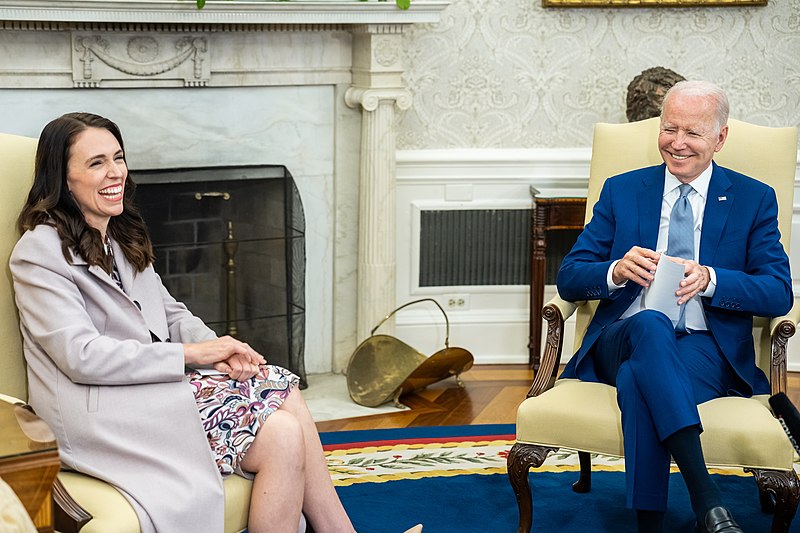
The administration of US President Joe Biden this week announced over $2.1 billion of funding that would be used for addressing the weaknesses in the country’s food supply system. The move comes as the COVID-19 pandemic and the war in Ukraine exposed such weaknesses in the country paired with inflation.
Reuters reports Agriculture Secretary Tom Vilsack announced the move by the administration during his remarks at Georgetown University. Over $2.1 billion in funding would be used to enhance competition in food processing and distribution, increase access to healthy food, and expand markets for farmers.
The investments would be coming from the American Rescue Plan and other relief legislation.
“In order for us to be able to deal with future disruptions, whether future pandemics or something else, we need a more resilient system,” said Vilsack. “A more resilient system is a system that has options.”
From the $2.1 billion, $900 million will be used for food processing workforce training and supply chain infrastructure. $550 million will be for small food businesses and reducing food waste, $375 million for organic and urban agriculture projects, and $370 million to increase accessibility to healthy food.
$400 million will be used by the USDA to set up regional food business centers that will provide small and midsize farm and food businesses with technical assistance. Vilsack also told Reuters that the agency will coordinate with Congress to secure longer-term funding for new and expanded programs through new farm legislation and the upcoming appropriations process.
The move comes amidst a time when many governments, including the US, are struggling to respond to the ongoing problem of inflation.
Speaking at an event at the White House Wednesday, Biden acknowledged that there is nothing much he can do to lower the cost of gasoline and food in the near term, even as he looks to lower the costs for those struggling financially.
“There’s a lot going on right now but the idea we’re going to be able to click a switch, bring down the cost of gasoline, is not likely in the near term. Nor is it with regard to food,” said the US leader.







