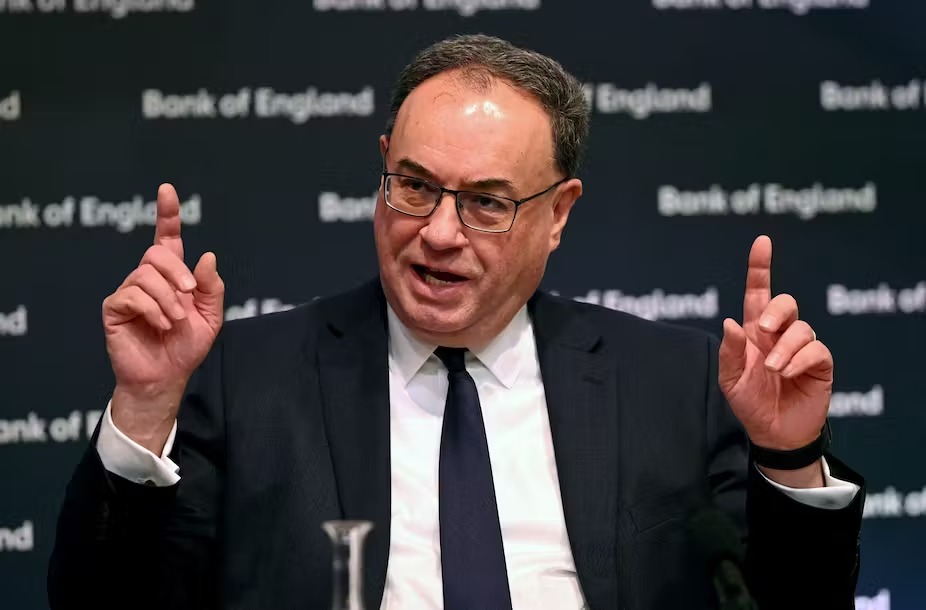
Bank of England Governor Andrew Bailey has called on the UK government to reduce Brexit-related economic strain by pursuing stronger ties with the European Union, especially in financial services. Speaking at a financial services event in Dublin, Bailey emphasized the importance of cutting non-tariff barriers and easing regulatory frictions to boost trade and drive economic growth.
“There is merit in seeking to increase the openness of our financial markets by reducing non-tariff barriers,” Bailey said. He highlighted the potential of regulatory alignment to improve UK-EU financial cooperation, particularly in areas like money market funds. These comments follow recent government efforts to ease trade barriers, including Prime Minister Sir Keir Starmer’s new "reset" agreement with Brussels aimed at improving trade in sectors like food and energy.
Bailey noted that Brexit has negatively affected UK productivity and growth, and stressed the need to minimize trade disruptions. His views echo those of Chancellor Rachel Reeves, who advocates for aligning rules with the EU in established industries such as chemicals. Both Bailey and Reeves have supported a more cooperative approach to EU relations, especially amid rising global trade tensions following Donald Trump’s re-election.
While stopping short of labeling Brexit a mistake, Bailey was clear about its economic drawbacks. He argued that open financial markets benefit both sides, enhancing investment, lowering capital costs, and supporting economic resilience. He also warned that closer financial cooperation is increasingly vital given the market volatility triggered by U.S. tariff threats.
Bailey’s call for deeper UK-EU ties underlines a broader push among policymakers to restore economic stability and competitiveness in the post-Brexit landscape.