


 AMP Shares Surge 13% After Strong Profit and A$150 Million Buyback
  White House: No Weaponized Drones Seized at FIFA World Cup Venues Despite 700 Recoveries
  Samsung, SK Hynix Test AMEC Chipmaking Tools for China Backup Plan
  Moderna Wins FDA Approval for mFLUSIVA mRNA Flu Vaccine for Adults 50+
  Western Digital Q4 Earnings Beat Estimates as FY2027 Outlook Tops Expectations
  Global Leaders Push Back as Trump Imposes New Forced Labor Tariffs
  Qantas Shares Climb as Long-Haul Pilot Deal Eases Strike Concerns
  Brazil Rejects Visas for Trump Officials Ahead of Presidential Election
  US Watchdog Finds State Department Struggled After USAID Shutdown Takeover
  Mercedes-Benz Stock Offers Deep-Value Potential as Citi Sees Recovery Catalysts
  Trump Administration Weighs Executive Order on Vaccines and Autism Research
  Trump Orders Section 301 Probe Into EU Tech Fines, Signals New Tariffs
  SoftBank Q1 Profit Beats Forecast as Intel Rally and OpenAI Investments Boost Returns
  DOJ Rescinds Anti-Weaponization Fund Ahead of Todd Blanche Senate Confirmation Vote
  California ICE Detention Center Found to Have Inadequate Medical Care, Court Monitor Says
  Senate Majority Leader John Thune Moves to Advance Crypto Clarity Act
  X Challenges Australia’s Expanded Social Media Ban Enforcement Powers


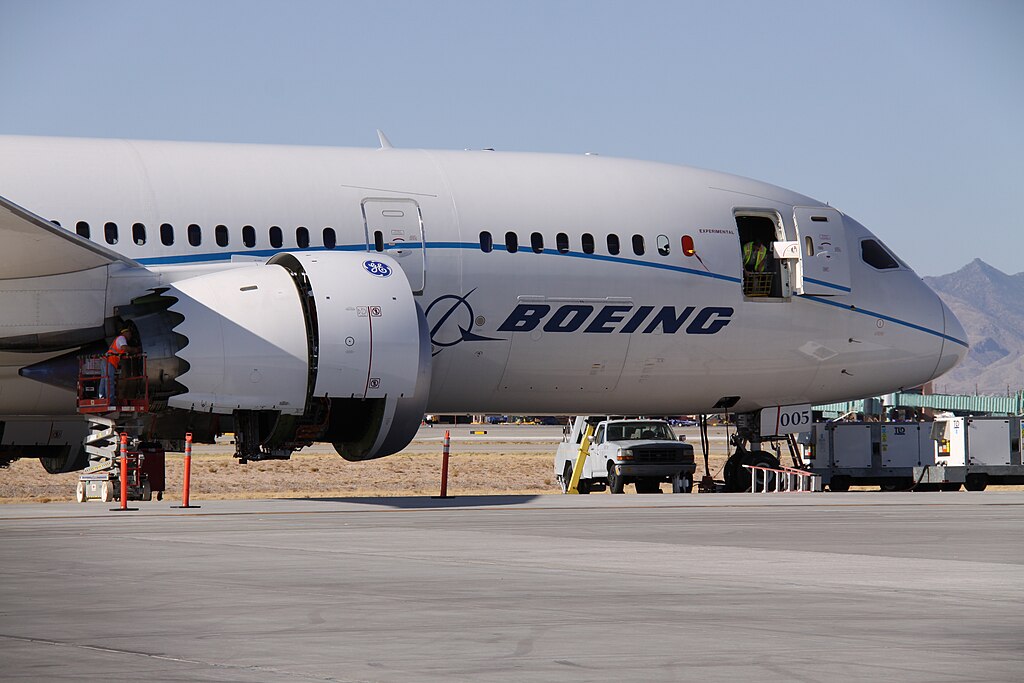
The U.S. Federal Aviation Administration (FAA) has approved Boeing’s 737 MAX 10, the largest variant of its best-selling single-aisle aircraft family, to advance to the second phase of flight testing, marking a significant step forward in the jet’s long-delayed certification process. The development, confirmed by a source familiar with the program, comes as Boeing works to regain momentum amid regulatory scrutiny and production challenges. Both Boeing and the FAA declined to comment publicly on the approval.
Boeing executives have repeatedly stated that they expect certification of both the 737 MAX 7 and MAX 10 to be completed this year. The MAX 10, in particular, is viewed as critical to the company’s financial recovery, with more than 1,200 aircraft orders currently in Boeing’s backlog, according to aviation analytics firm Cirium. Industry analysts widely agree that beginning deliveries of the MAX 10 is essential for boosting Boeing’s revenue and cash flow.
The certification process for the MAX 7 and MAX 10 has faced repeated delays due to an unresolved engine deicing issue. While the FAA has now cleared the MAX 10 to enter phase two of flight testing—covering avionics, propulsion systems, and other design elements—the deicing problem remains unresolved. Notably, the FAA’s latest approval does not apply to the smaller MAX 7 variant.
These delays come as Boeing also struggles with the prolonged certification of its widebody 777X jet. However, there has been some recent progress on the production front. In October, the FAA approved Boeing’s request to increase 737 MAX production to 42 aircraft per month, lifting a cap of 38 planes that had been in place since January 2024.
The 737 MAX 10 competes directly with Airbus’ A321neo, and prolonged delays risk further erosion of Boeing’s market share. Despite this, confidence remains among some customers. This week, Alaska Airlines placed an order for 105 MAX 10 aircraft, with CEO Ben Minicucci expressing optimism that certification will be achieved within the year.
While analysts caution that FAA approval for testing is not the same as certification, the move is seen as meaningful progress. Until certification is finalized, however, Boeing cannot begin full-scale production of the MAX 10 at its Everett, Washington facility, underscoring the high stakes tied to the program’s timeline.







