


 ICE Agent Arrested in Minneapolis Over Venezuelan Man Shooting
  Nvidia CEO Jensen Huang Expected at Trump-Xi State Dinner
  US Confirms Weapons in Orbit as Space Tensions Rise
  DOJ Will Investigate AI-Related Crimes, Attorney General Blanche Says
  North Korea Vows to Expand Nuclear Arsenal Amid U.S.-Led Military Buildup
  South Korea’s Cho Hyun to Meet Rubio in Washington
  Yemen Fighting Threatens Red Sea Oil Routes
  Europe can’t achieve space sovereignty alone. Here’s why
  U.S. Imposes New Visa Restrictions Over South Africa Policies
  Trump Grants Clemency to Jay-Z Associate Emory Jones
  Japan, U.S. Discuss $19 Billion GlobalFoundries Chip Plant
  Ovechkin Faces Scrutiny Over United Russia Campaign Video
  Banking scandal rocks Brazil’s politics and the country’s presidential election in October
  FDA Weighs Safety Standards for Psychedelic Therapies
  Trump Threatens EU Tariffs Over Canada Membership Proposal
  Texas Republicans Turn Against AI Data Centers as Election Backlash Grows
  Trump Hopes Iran War Nears End as Yemen Fighting Escalates


 Add as a preferred source on Google
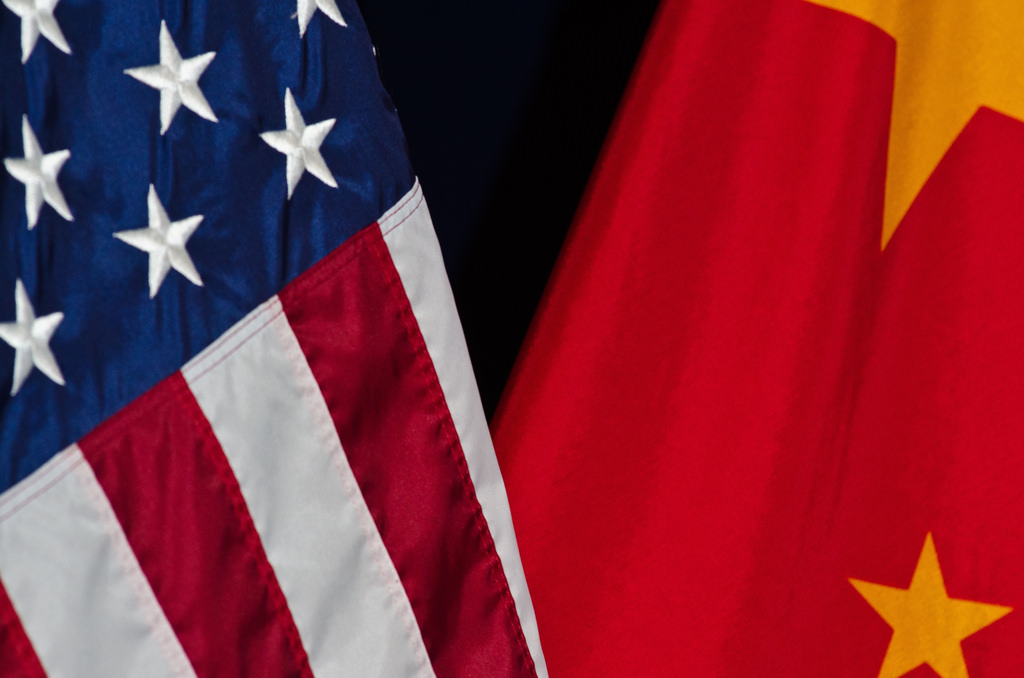
Democrats in the U.S. House of Representatives are raising alarms over the Trump administration’s decision to pause key technology security measures targeting Beijing, arguing the move could weaken U.S. national security and economic stability. In a letter to Commerce Secretary Howard Lutnick, senior lawmakers questioned why several proposed restrictions on Chinese telecom and technology companies were put on hold amid efforts to stabilize U.S.-China relations.
According to the letter, the administration has delayed action on a potential ban of China Telecom’s U.S. operations and proposed restrictions on TP-Link router sales in the United States. Lawmakers also cited reported pauses affecting the U.S. internet businesses of China Unicom and China Mobile. These companies have long faced scrutiny over concerns about data security, cyber espionage risks, and foreign technology threats tied to the Chinese government.
Representative Gregory Meeks, the ranking Democrat on the House Foreign Affairs Committee, and Representative Sydney Kamlager-Dove expressed concern that the administration may be prioritizing diplomatic relations and trade negotiations over critical technology security safeguards. They requested a formal briefing from the Commerce Department detailing any national security assessments conducted before shelving the measures. The lawmakers also sought clarification on reports that the office responsible for reviewing foreign tech threats was redirected to focus on countries other than China.
Additional paused measures reportedly include restrictions on Chinese electric trucks and buses entering the U.S. market, as well as limits on Chinese equipment sales for American data centers. Critics argue these decisions could increase cybersecurity vulnerabilities and expose sensitive infrastructure to potential foreign influence.
The controversy unfolds as President Donald Trump prepares for a high-profile visit to China from March 31 to April 2, where he is expected to meet with President Xi Jinping. The meeting follows an October trade truce aimed at easing tensions between the world’s two largest economies. Lawmakers warn that maintaining strong U.S. technology and national security protections must remain a top priority in any ongoing U.S.-China negotiations.







