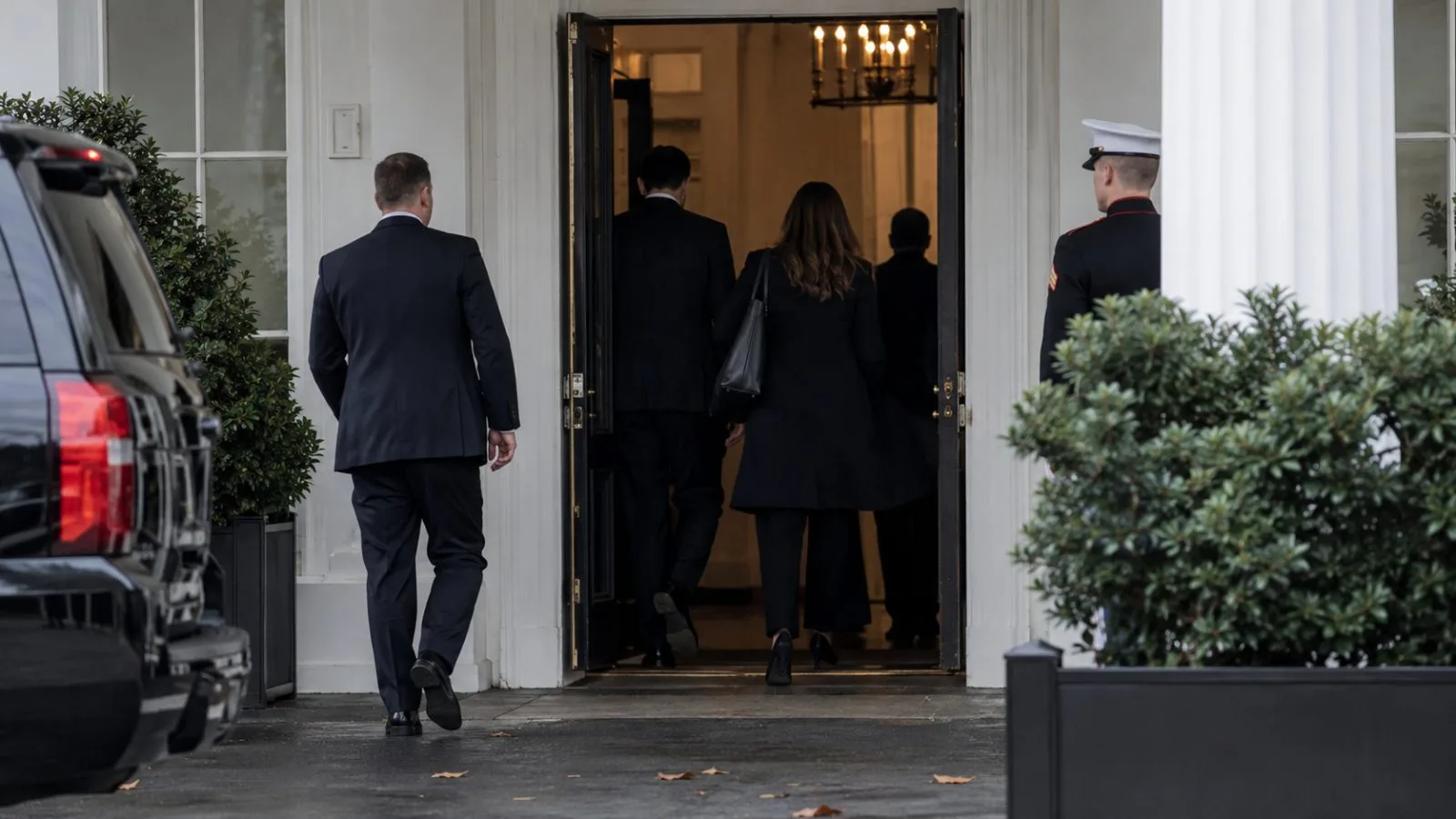
Brazil has declined a U.S. request to classify two powerful criminal gangs—Primeiro Comando da Capital (PCC) and Comando Vermelho (CV)—as terrorist organizations, citing legal limitations. The request was made during a meeting in Brasilia on Tuesday between U.S. State Department sanctions chief David Gamble and Brazilian officials.
The U.S. government has been increasing pressure on Latin American nations as part of President Donald Trump’s broader crackdown on immigration and transnational crime. Officials argued that designating the PCC and CV as terrorist entities would allow Washington to impose financial sanctions and dismantle criminal networks more effectively. According to a source present at the meeting, the Federal Bureau of Investigation reported that both groups operate in 12 U.S. states, including New York, Florida, Massachusetts, and New Jersey. Allegations include gun trafficking and money laundering via Brazilian nationals.
However, Brazil’s Secretary of Public Security, Mario Sarrubo, told Reuters that its domestic law defines terrorism strictly as violence motivated by religion or race, and does not apply to criminal syndicates like PCC and CV, despite their control over territories and illicit activities across Brazilian cities.
In 2024 alone, 113 Brazilians were reportedly denied U.S. visas due to links with organized crime. Earlier this year, the U.S. indicted 18 Brazilians on firearms trafficking charges tied to the PCC, with many suspects found to be residing in the U.S. illegally.
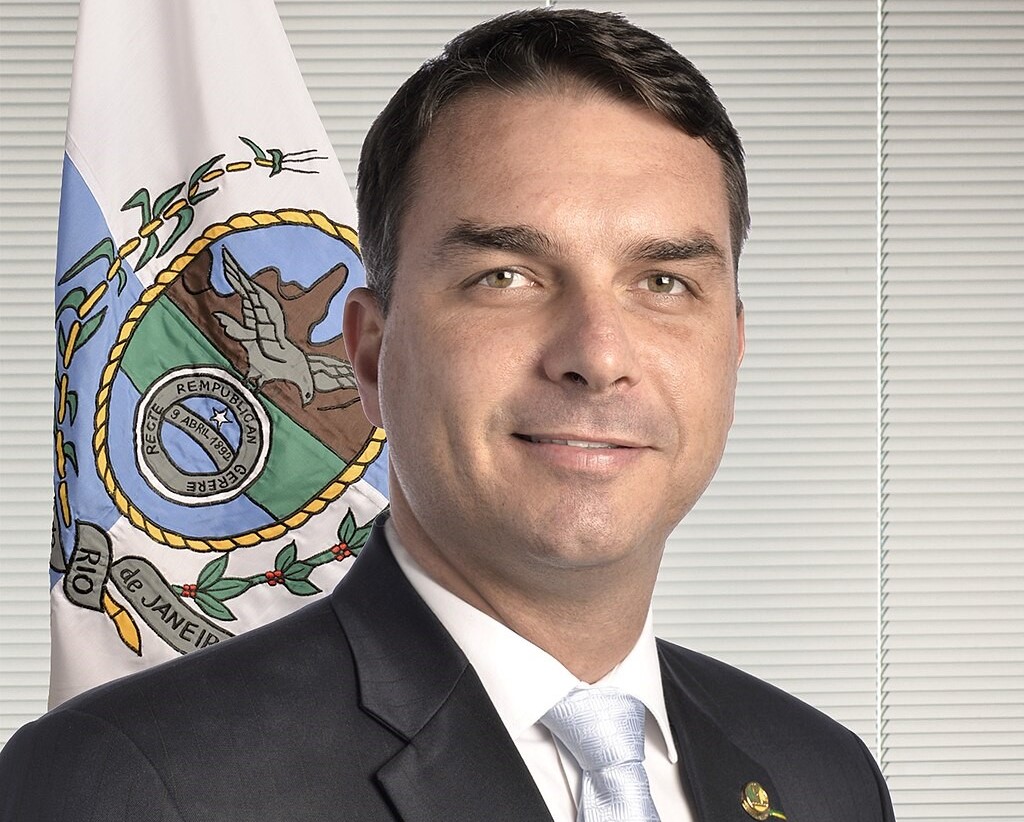
Meanwhile, Brazilian Senator Flavio Bolsonaro, son of former President Jair Bolsonaro, said he met with Trump Organization officials this week to present intelligence allegedly linking PCC and CV to terrorist actions.
The U.S. Embassy in Brasilia has yet to respond to the developments.