


 Flydubai Co-Pilot Tried to Crash Israel-Bound Jet, Netanyahu Says
  Citi Raises Bitcoin Target to $113,000 as Crypto Outlook Improves
  Lynas Shares Slide on A$968 Million Meteoric Resources Deal
  Ripple Locks 700 Million XRP Back in Escrow After October Release
  WordPress Malware Uses Ethereum to Evade Removal
  Italgas to Buy 22.5% Stake in Portugal’s Floene for €120 Million
  Disney Plans TV Restructuring With Hundreds of Layoffs
  Citi Raises Bitcoin Price Target to $113,000 on ETF Optimism
  Circle Urges EU to Revise MiCA Stablecoin Rules
  Standard Chartered Sees Ethena ENA Hitting $2 by 2028
  Evernorth Set for Nasdaq Debut With 473 Million XRP Treasury
  Sanofi, Regeneron Expand Drug Partnership in $8 Billion Deal
  Tencent Signs $7 Billion Oracle AI Chip Lease Deal
  MSTR Stock Rises 3% as Strategy Challenges MSCI Bitcoin Stance
  Goldman Sachs Names CATL, Zenergy Top China Battery Picks
  Micron Forecast Tops Estimates as AI Memory Demand Stays Strong
  SoftBank Shares Fall After $10 Billion OpenAI Investment


 Add as a preferred source on Google
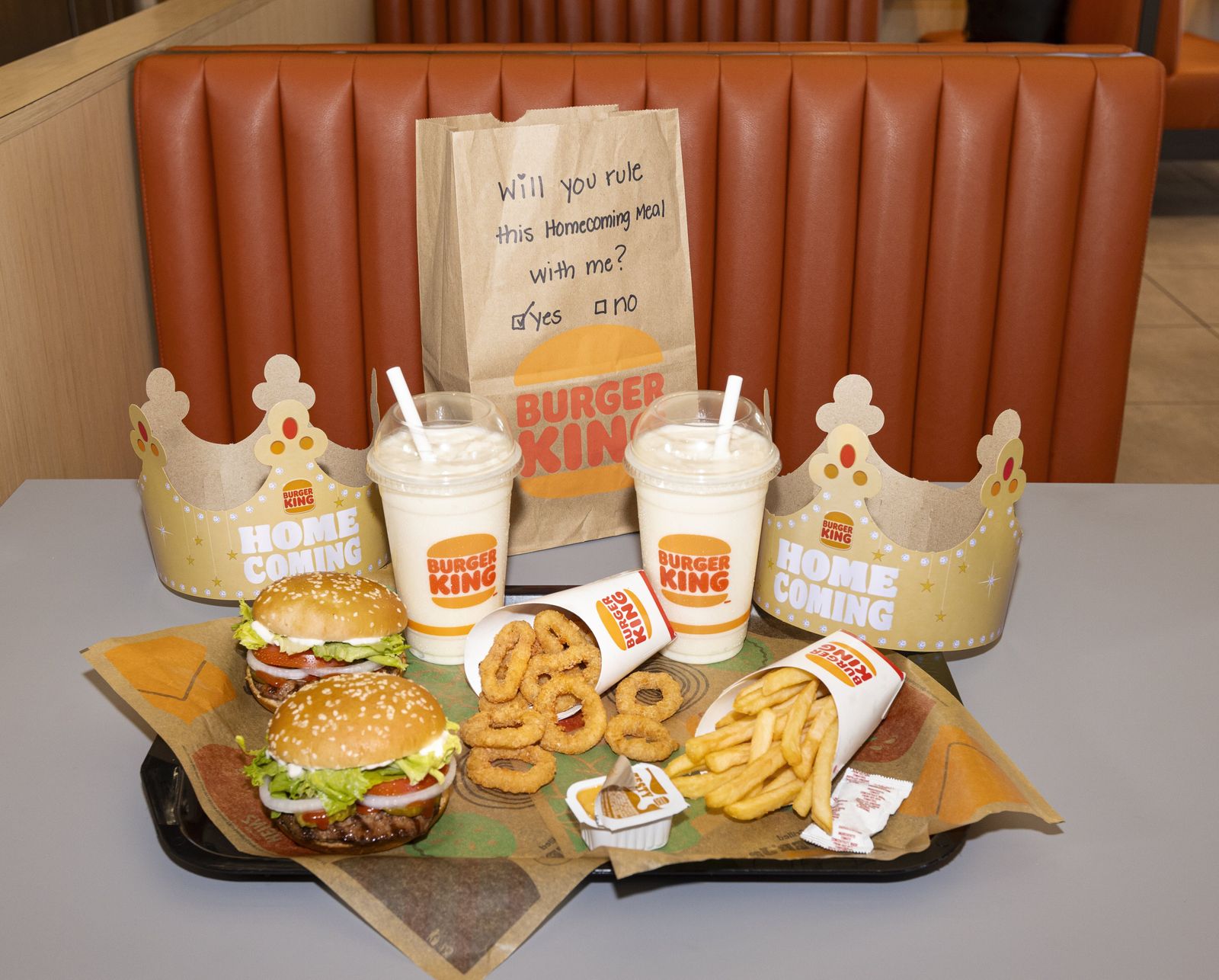
Major US fast-food chains are stepping up their game by introducing more digital order kiosks into their restaurants. After a successful pilot phase, Burger King is gearing up for a significant expansion of kiosks across the US. Josh Kobza, CEO of Restaurant Brands International, Burger King's parent company, expressed excitement about the "tremendous results" observed from the initial trials.
Burger King's Aggressive Expansion Plans
According to Kobza, Burger King is already equipped with kiosks in over half of its international restaurants and aims to transition the entire business to a "100% digital" model.
Shake Shack's Kiosk Success Story
Meanwhile, Shake Shack reported significant progress in kiosk implementation, with nearly 300 US company-operated restaurants now featuring these digital ordering stations. According to Yahoo, kiosk sales at Shake Shack doubled year-over-year in the fourth quarter, constituting a considerable portion of in-restaurant orders.
CFO Katie Fogertey highlighted the operational efficiency and customer appeal that kiosks bring to Shake Shack's dining experience.
Yum! Brands' Strategic Focus on Kiosk Integration
Business Insider reported that Yum! Brands, the parent company of Taco Bell, KFC, Pizza Hut, and the Habitat Burger Grill, also directs attention towards kiosk adoption. Taco Bell customers can already enjoy the convenience of ordering via kiosks. At the same time, KFC plans to expand these digital solutions significantly, aiming to implement them in most non-China restaurants by the end of 2026.
The move towards kiosk utilization enhances order accuracy and operational flexibility and presents opportunities for labor productivity savings in the evolving fast-food industry landscape.
Reduced Labor Costs and Improved Order Accuracy
These fast-food giants' adoption of kiosks enhances the customer experience and proves financially beneficial. By reducing labor costs, restaurants can optimize staff allocation and streamline operations. Analyst Sharon Zackfia noted that as labor costs rise, kiosks offer a solution to boost productivity and redirect resources to more critical areas within the business.
Furthermore, kiosks contribute to improved order accuracy, menu flexibility, and promotional opportunities. Shake Shack's CFO emphasized the profitability of kiosk sales, highlighting their preference for dine-in orders and eco-friendly packaging practices. Overall, integrating digital order kiosks signifies a significant step towards innovation and efficiency in the fast-food industry.
Photo: Burger King Newsroom







