


 AstraZeneca Halts Phase III Volrustomig Lung Cancer Trial After Efficacy Setback
  OKXICE Files for 24/7 Tokenized US Stock Trading
  Novo Nordisk Eyes Turnaround as Oral Wegovy Challenges Eli Lilly in Weight-Loss Drug Race
  U.S. Government Moves Over $100M in Bitcoin and BNB
  BofA Raises Coinbase Stock Target to $203 on Stablecoin Growth
  Stellar Leads RWA Tokenization Growth With $36.4M Inflow
  FDA Weighs Safety Standards for Psychedelic Therapies
  Cardano Price Surges 10% as ADA Targets $0.30
  Jay Clayton Named Trump’s AI Czar as XRP Past Resurfaces
  Kalshi Withdraws PEPE Perpetual Futures Filing
  Bitcoin Outflows From Binance Hit Three-Year High as Whales Accumulate
  Sector Spotlight: Data Availability and Storage Lead 24-Hour Market Gains
  HUTCHMED, AstraZeneca Seek FDA Approval for Lung Cancer Combo


 Add as a preferred source on Google
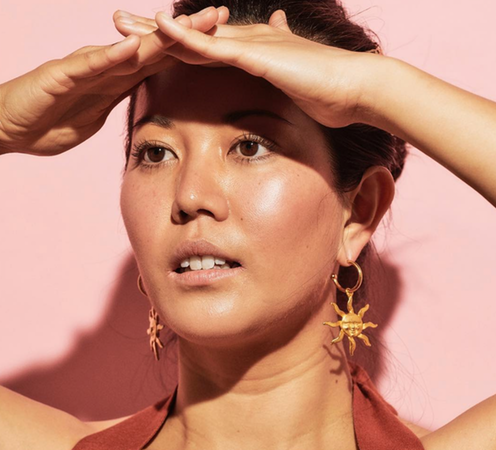

Under Australia’s harsh sun, we’ve long slapped on sunscreen to protect ourselves from skin damage and cancer.
Now the product, once known for protecting skin against harmful UV rays, is becoming part of beauty routines. Sunscreen products are described as rich, luxe or nourishing.
When did the cultural perception of sunscreen as a health imperative shift towards a lifestyle “must have”? And will this new pitch work to keep us sun safe?
Campaigns of old
Sun safety promotions work to combat dangerous tanning behaviour.
The iconic Slip, Slop, Slap campaign paved the way for how we see sun protection today. In the 1980s, it was instrumental in educating Australians about sun exposure and skin cancer.
Sid the Seagull in full flight.
The campaign’s mascot, Sid the Seagull, sang and danced on our screens, encouraging us to slip on a shirt, slop on sunscreen and slap on a hat.
The slogan was extended to Slip, Slop, Slap, Seek, Slide in 2007, adding two more tips to preventing sun damage: seeking shade and sliding on sunglasses.
These campaigns aimed to refocus Australians’ attitudes to sun protection as a necessity, despite our traditionally sun-drenched lifestyle.
In the 1990s, advertisements shifted their tone from catchy jingles to sexual appeals. The Leave Your Hat On campaign took inspiration from a striptease scene in the film 9/12 Weeks, reversing it with a couple putting on sunscreen, clothes, hats and sunglasses.
Take it all off – no wait, put it back on again!
The campaign targeted young men, as they were most at risk of developing skin cancer. However, the messages of these advertisements did not stick in the minds of Australians. The cultural norm of tanning remained steadfast.
Education through fear
When sex didn’t work to implement sun safety practices, campaigns used scare tactics instead. In the summer of 2003, skin cancer was branded as killer body art and the effects of sunburn, even if only mild, were portrayed as creating a timebomb under the skin.
These “slice of death narratives” – where the advertisement’s focus is on the negative consequences of poor decisions – highlighted the potentially fatal results of sun exposure. In 2007, Clare Oliver, battling end-stage melanoma, shared her story to highlight the dangers of solariums and the cultural ideal of tanning.
The true story of Wes Bonny, told by the relatives of a 26-year-old man who died from melanoma in 2010, spoke volumes about skin cancer affecting an everyday “Aussie guy”.
In 2016, Melbourne mother Belinda shared her story before her death from melanoma.
Melbourne mother Belinda urged others to learn from her story.
The campaigns were created to increase people’s vigilance with sun protection, and sunscreen became a product critical to protecting one’s health.
Evidently, these messages were effective. Research showed lower sunburn rates across the population, and sun protective behaviours improved.
Moreover, research into the investment into such campaigns found every A$1 invested brought a return of A$3.85 by lowering treatment costs and increasing productivity. The campaigns reduced the rates of illness and death and the economic burden of skin cancer.
A new beauty product?
As consumer demand bloomed, the perception and branding of sun protection products changed.
The Australian sunscreen market is expected to tip A$159.3 million this year. By marketing sunscreen as a key step in a daily skincare routine, brands are repositioning sunscreen as a beauty essential.
The new buzzword “skinscreen” has been coined for products that combine skincare and sunscreen. To persuade women to add skinscreens in their beauty regimes, products are marketed with appealing fragrances and textures, and are encouraged to be worn under makeup.
Beauty influencers on social media have jumped on-board the skinscreen craze. It is now marketed to highlight its anti-ageing benefits: preventing age spots, fine lines and wrinkles.
There are pros and cons to luxe skinscreen messaging. It may encourage frequent sunscreen application, but it also suggests women’s beauty and youth are inextricably linked and women’s value lies chiefly in their appearance.
Despite sunscreen’s new home in the beauty aisle, health messaging has not completely disappeared. The social media initiative Call Time on Melanoma aims to spread awareness about skin cancers and protecting skin from harmful rays.
With more than 21,000 Instagram followers, the account encourages people to wear sunscreen everyday, get regular skin checks and debunks myths about sunscreen. The initiative builds awareness by sharing the story of Natalie Fornasier, a woman who was diagnosed with stage III melanoma at age 20.
Skincare brand La Roche-Posay was an official sunscreen partner for the 2020 Australian Open. They offered a UV Experience to educate tennis fans about sunscreen protection and ran a campaign to raise awareness of the daily UV index.
Although important questions should be asked about the re-branding of sunscreen creating additional appearance-based pressures and “beauty work” for women, sunscreen appears to be more popular than ever. Sunsmart campaigns may have laid the health messaging groundwork, but today’s skincare brands continue to build awareness. This is a welcome step towards keeping Australians sun safe.







