


 FAA to Pause Reagan National Airport Flights for Freedom 250 IndyCar Race
  India-US Trade Deal Talks Hit Plateau, Sitharaman Says
  Ukraine Faces $56 Billion Budget Gap as War Costs Soar
  Trump’s U.S. Open Visit Delays Final, Fans Face Long Security Lines
  Yemen Launches Major Offensive to Retake Houthi-Held Areas
  US Reviewing Visa Denial for Venezuelan Little League Team Barred from World Series
  U.S. Eases Iran Team Travel Restrictions Ahead of Seattle World Cup Match
  Trump Signs Executive Order Targeting Big-Money College Athlete Payouts
  White House Defends Trump’s FIFA Peace Prize Amid Global Criticism
  Trump Offers US Help to Russia After Plague Lab Worker Dies
  Becton Dickinson to Invest $3 Billion in U.S. Medical Manufacturing
  FBI Faces Historic Security Challenge Ahead of 2026 FIFA World Cup
  Cuba Says US Contacts Continue but Formal Talks Remain Stalled
  Flavio Bolsonaro, Lula Head to Brazil Election Runoff
  Flavio Bolsonaro, Lula Head to Brazil Presidential Runoff
  FIFA Defends Balogun Ban Suspension After Trump Praise Sparks World Cup Controversy


 Add as a preferred source on Google
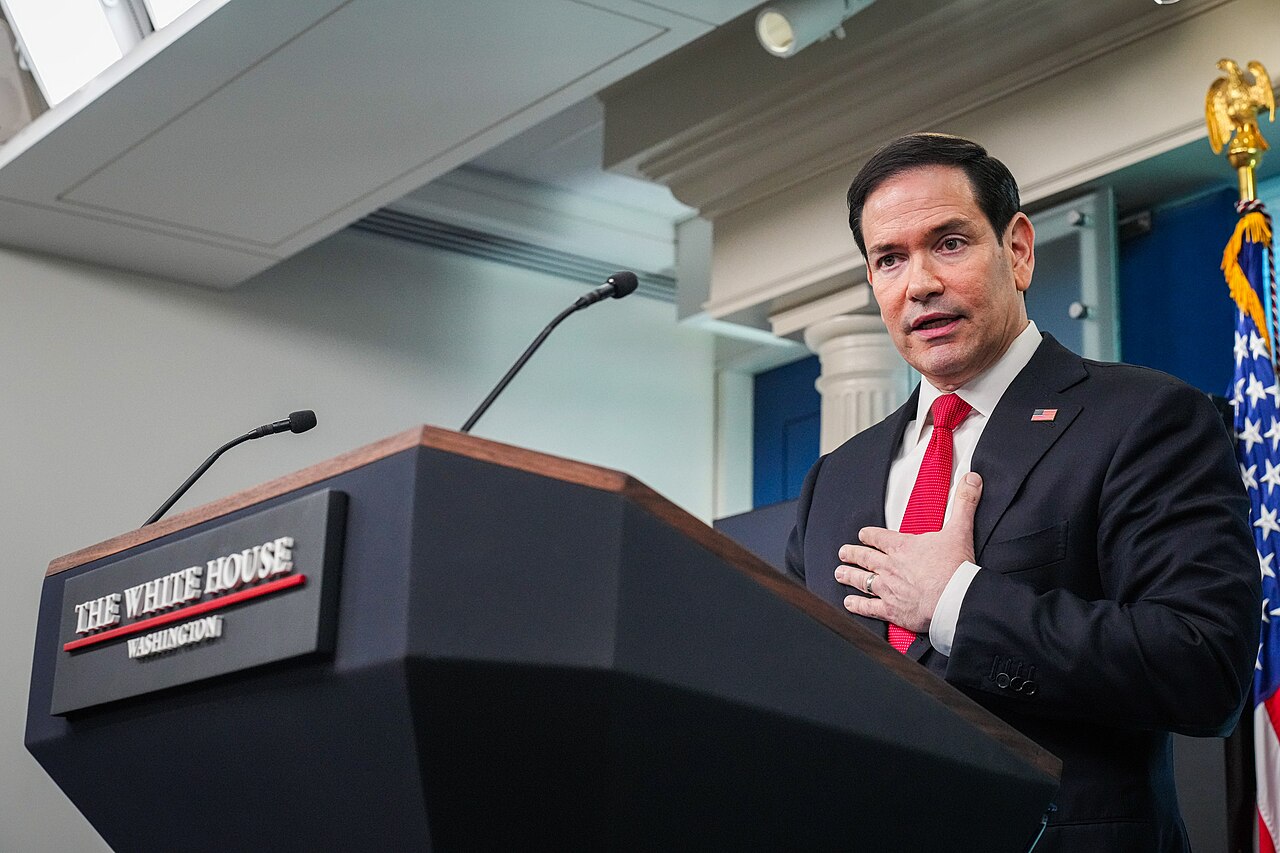
U.S. Secretary of State Marco Rubio stated that the United States will closely monitor Iran’s delegation during the 2026 FIFA World Cup and prevent any individuals with alleged ties to the Islamic Revolutionary Guard Corps (IRGC) from entering the country under the guise of participating in the tournament.
Speaking before a House of Representatives committee on Tuesday, Rubio emphasized that Washington has no objection to the Iranian national soccer team or its legitimate support personnel traveling to the United States for World Cup matches. However, he made it clear that U.S. authorities will scrutinize the composition of Iran’s delegation to ensure that only individuals directly connected to the sport are allowed entry.
The Iranian national team is scheduled to play several matches in the United States during the 2026 FIFA World Cup. Despite competing on U.S. soil, the team will reportedly be based in neighboring Mexico throughout the tournament.
Rubio’s remarks come amid heightened tensions between the United States and Iran following the conflict that erupted after military actions launched by the U.S. and Israel against Iran in late February. Against this backdrop, the issue of security surrounding international sporting events has gained increased attention from American officials.
According to Rubio, the U.S. government is particularly concerned about the possibility of non-athletic personnel attempting to join Iran’s World Cup delegation. He told lawmakers that authorities would carefully examine visa applications and delegation lists to identify anyone suspected of having connections to the IRGC or other organizations viewed as security risks.
“We have no problem with the Iranian soccer team and its support staff,” Rubio said during the hearing. He added that the United States would not permit individuals unrelated to athletics to become part of the delegation if they have links to the IRGC.
The 2026 FIFA World Cup, which will be hosted across the United States, Canada, and Mexico, is expected to attract teams and fans from around the world. As preparations continue, U.S. officials say security screening measures will remain a top priority, particularly for delegations arriving from countries involved in ongoing geopolitical tensions.







