


 FDA Adds Fatal Risk Warning to J&J and Legend Biotech’s Carvykti Cancer Therapy
  China vs. NASA: The New Moon Race and What's at Stake by 2030
  NASA's Artemis II Mission: First Crewed Lunar Journey Since Apollo
  Neuralink Expands Brain Implant Trials with 12 Global Patients
  Cogent Biosciences Soars 120% on Breakthrough Phase 3 Results for Bezuclastinib in GIST Treatment
  SpaceX Delays Starship V3 Launch Ahead of Potential Record IPO
  Blue Origin New Glenn Explosion Could Delay Launch Operations Until 2028
  Trump and Merck KGaA Partner to Slash IVF Drug Costs and Expand Fertility Coverage
  Is space worth the cost? Accounting experts say its value can’t be found in spreadsheets


 Add as a preferred source on Google
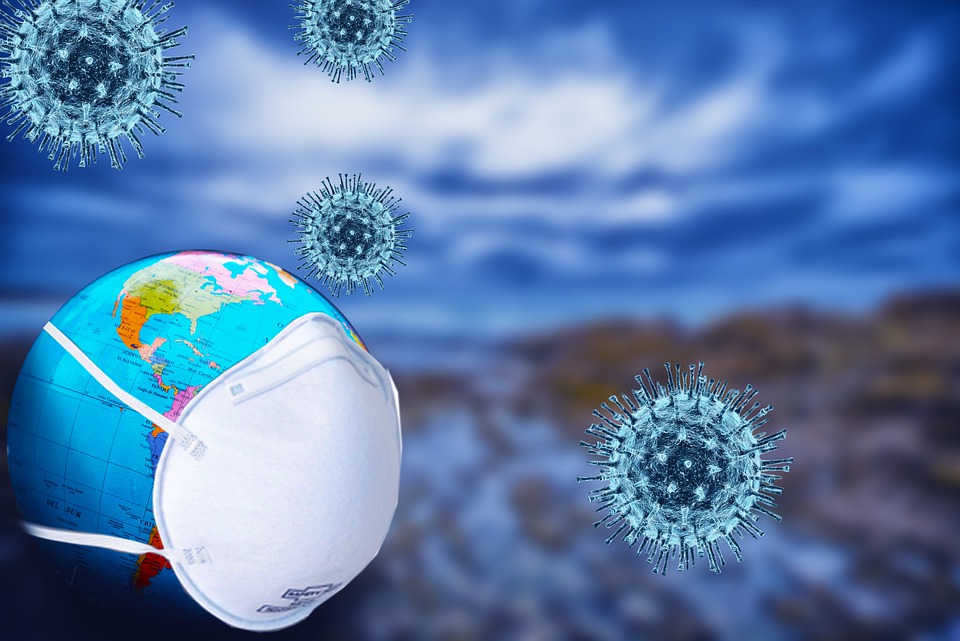
There has yet to be a cure for COVID-19 and until then, millions of people remain infected while hundreds of thousands have died from the disease. Despite fears that the coronavirus may mutate, scientists hope that it would not be the case.
Despite scientists already having identified mutations of coronavirus over time since it first broke out in China in December 2019, this virus’ mutation may not really be more dangerous than what scientists have feared it to be. According to Dr. Jeremy Rossner, the mutation of the coronavirus into other versions of itself, while it may mean becoming more contagious or bigger in growth, it will not necessarily mean it would become more fatal.
“For SARS-COV-2, its ability to spread asymptomatically and pre-symptomatically is what has made the pandemic much more difficult to control and has greatly increased the number of infections,” wrote Dr. Rossner for Science Focus Magazine. “Causing serious disease is not always in a virus’ ‘best interest’” added Dr. Rossner.
It should be noted that coronaviruses could accumulate mutations but at a slower pace as it undergoes a long process of “proofreading” its replicated genome. The longer a pandemic goes on, the more mutations the virus will go through as well. In his piece, Dr. Rossner cited the mutation of the D614G SARS-COV-2 that was first classified in February, which resulted in higher transmissibility yet did not have any impact on its severity. At the same time, mutations of the virus may also have the opposite effect in terms of transmissibility as it could also cause the spread to slow down.
Meanwhile, several companies are already undergoing trials for a possible vaccine or cure for COVID-19. A group of scientists looked into the pandemic where they found a link between patients with severe cases of coronavirus and a vitamin D deficiency. Their study that has yet to be peer-reviewed, analyzed global daily reports of deaths and recoveries from COVID-19 where they found a connection between the severe form of coronavirus and latitude. Specifically, in the northern hemisphere of the world where vitamin D deficiency can be seasonally produced more fatalities from COVID-19.







