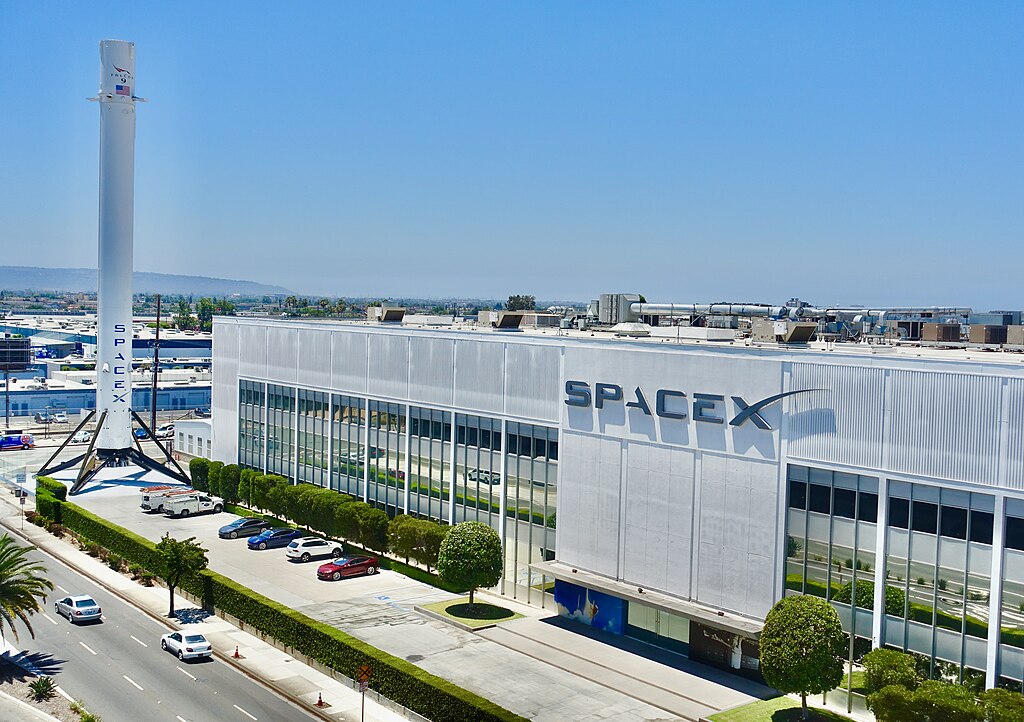
SpaceX’s Starship spacecraft exploded in a dramatic fireball during a late-night test at the company’s Starbase facility in Brownsville, Texas, on June 18, 2025. The 400-foot Mars-bound rocket, a key part of Elon Musk’s mission to colonize the Red Planet, was preparing for its tenth test flight when the incident occurred.
The explosion, caught on video, showed multiple blasts lighting up the night sky and scattering debris. SpaceX confirmed a “major anomaly” and reported no injuries. Elon Musk later posted on X that preliminary findings point to a failure in a nitrogen Composite Overwrapped Pressure Vessel (COPV) located in the payload bay. He noted this would be the first failure of its kind if confirmed.
This marks the latest in a string of Starship failures in 2025. In May, a launch ended with the rocket spinning out of control mid-flight. In March, the spacecraft exploded minutes after liftoff, with fiery debris seen over Florida and the Bahamas. The FAA grounded air traffic and later cited a hardware issue in one of the engines. SpaceX has since implemented eight corrective actions, which the FAA approved prior to the May test.
Earlier in January, a separate Starship broke apart after launch, scattering debris across Caribbean islands and damaging a car in the Turks and Caicos.
Despite these repeated setbacks, SpaceX remains committed to developing Starship as the most powerful rocket system for deep space travel. The ongoing testing aims to achieve full reusability and long-distance missions, including human expeditions to Mars.