


 Trump Administration to Launch Autism Initiatives Targeting Acetaminophen Use and New Treatment Options
  NASA and SpaceX Target Crew-11 Undocking From ISS Amid Medical Concern
  Neuralink Expands Brain Implant Trials with 12 Global Patients
  Blue Origin’s New Glenn Achieves Breakthrough Success With First NASA Mission
  China vs. NASA: The New Moon Race and What's at Stake by 2030
  SpaceX’s Starship Completes 11th Test Flight, Paving Way for Moon and Mars Missions
  Tabletop particle accelerator could transform medicine and materials science
  Blue Origin New Glenn Rocket Explodes During Launch Pad Test, Delaying Space Ambitions
  SpaceX Delays Starship V3 Launch Ahead of Potential Record IPO
  Is space worth the cost? Accounting experts say its value can’t be found in spreadsheets
  SpaceX Prioritizes Moon Mission Before Mars as Starship Development Accelerates
  Eli Lilly’s Inluriyo Gains FDA Approval for Advanced Breast Cancer Treatment


 Add as a preferred source on Google
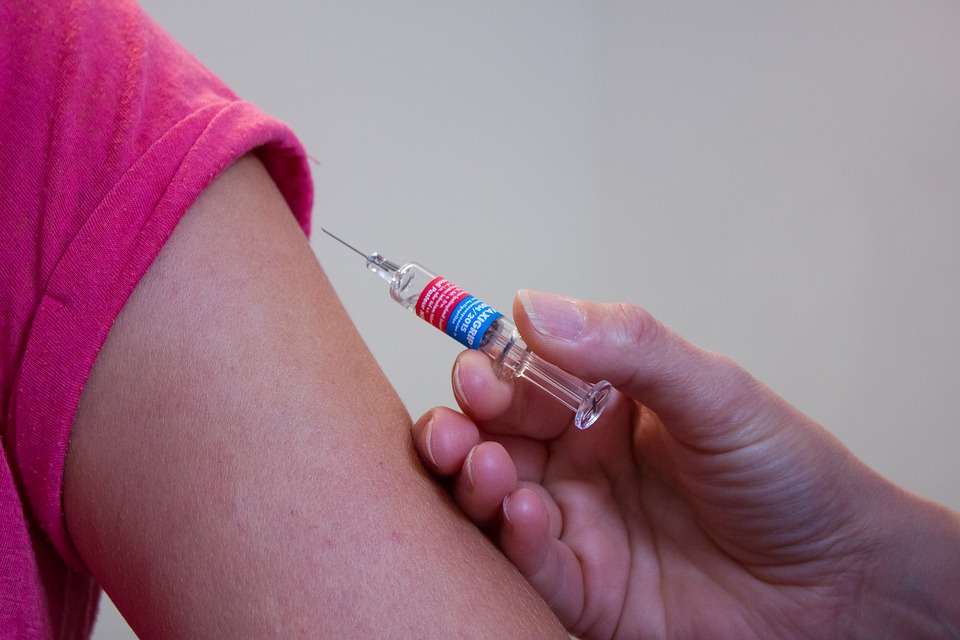
Scientists are already hard at work at finding and developing a potential COVID-19 cure, with some countries undergoing its trial phases. This time, a group of scientists was able to develop a vaccine that can trigger a very strong immune response to COVID-19, perhaps stronger.
Scientists from the University of Washington developed an experimental vaccine for the coronavirus which could potentially trigger an immune response that may be significantly stronger than those in recovered patients. The team reported their progress after undergoing trials with mice. They made use of nanoparticles that could mimic the structure of the virus that can naturally be produced or synthetically made.
They found that a dose boosted the immunity than in those of COVID-19 patients that have already recovered from the disease. Aside from the boost in immunity, the dose also helped the body develop a strong memory cell response to aid in antibody production.
The scientists have also claimed that their vaccine does not need to be stored in a very cold place which would make it much easier to distribute not only locally but worldwide. They reported their findings in the science publication Cell. The vaccine so far has 60 copies of COVID-19’s receptor binding domain, which is what enables it to bind to the cells of the body.
“We hope that our nanoparticle platform may help fight this pandemic that is causing so much damage to our world,” said Dr. Neil King, assistant biochemistry professor from the UW School of Medicine. “The potency, stability, and manufacturability of this vaccine candidate differentiate it from many others under investigation.”
Previously, the US government struck a deal with Eli Lilly after the firm was granted an emergency use authorization for its potential COVID-19 cure by the Food and Drug Administration. The company will be given $375 million to produce and distribute 300,000 doses of its antibody-drug for coronavirus. The deal will span two months, and also gives the government an option to purchase 650,000 more doses of the potential antibody drug.
Eli Lilly filed a request for an emergency use authorization by the FDA back in October. The drug may help COVID-19 patients suffering from mild to moderate symptoms. The company estimates it may produce up to one million doses of its experimental antibody by the end of 2020.







