


 FDA Investigates New Cyclospora Outbreak as U.S. Cases Continue to Rise
  U.S. Issues Cuba Health Alert as Illnesses Rise
  Eli Lilly Eyes AtaiBeckley Acquisition to Expand Psychedelic Mental Health Pipeline
  Hengrui Shares Rise on $2.6 Billion Novo Nordisk Obesity Drug Deal
  Hanmi Pharm Soars 30% on $2.3 Billion Genentech Obesity Drug Deal
  SK Biopharmaceuticals Secures Global Rights to Biohaven Epilepsy Drug Opakalim
  US-Backed Pediatric HIV Treatment Drops After Foreign Aid Changes, Study Finds
  Trump Signs Order to Cut Routine Childhood Vaccines
  HUTCHMED, AstraZeneca Seek FDA Approval for Lung Cancer Combo
  AstraZeneca, Bristol Myers Squibb Explore Mega Merger Worth Nearly $400 Billion
  Sanofi, Regeneron Expand Drug Partnership in $8 Billion Deal
  Venezuela Earthquake Health Risks Rise as Disease Monitoring Intensifies
  New York Declares Measles Disaster Emergency as Cases Surge
  Trump Administration Bars U.S. Travelers From Congo Flights Amid Ebola Outbreak
  GSK Unveils $2.52 Billion Cost-Cutting Plan to Accelerate Drug Pipeline
  Novo Nordisk Strikes €1.17 Billion Nanexa Drug Delivery Deal


 Add as a preferred source on Google
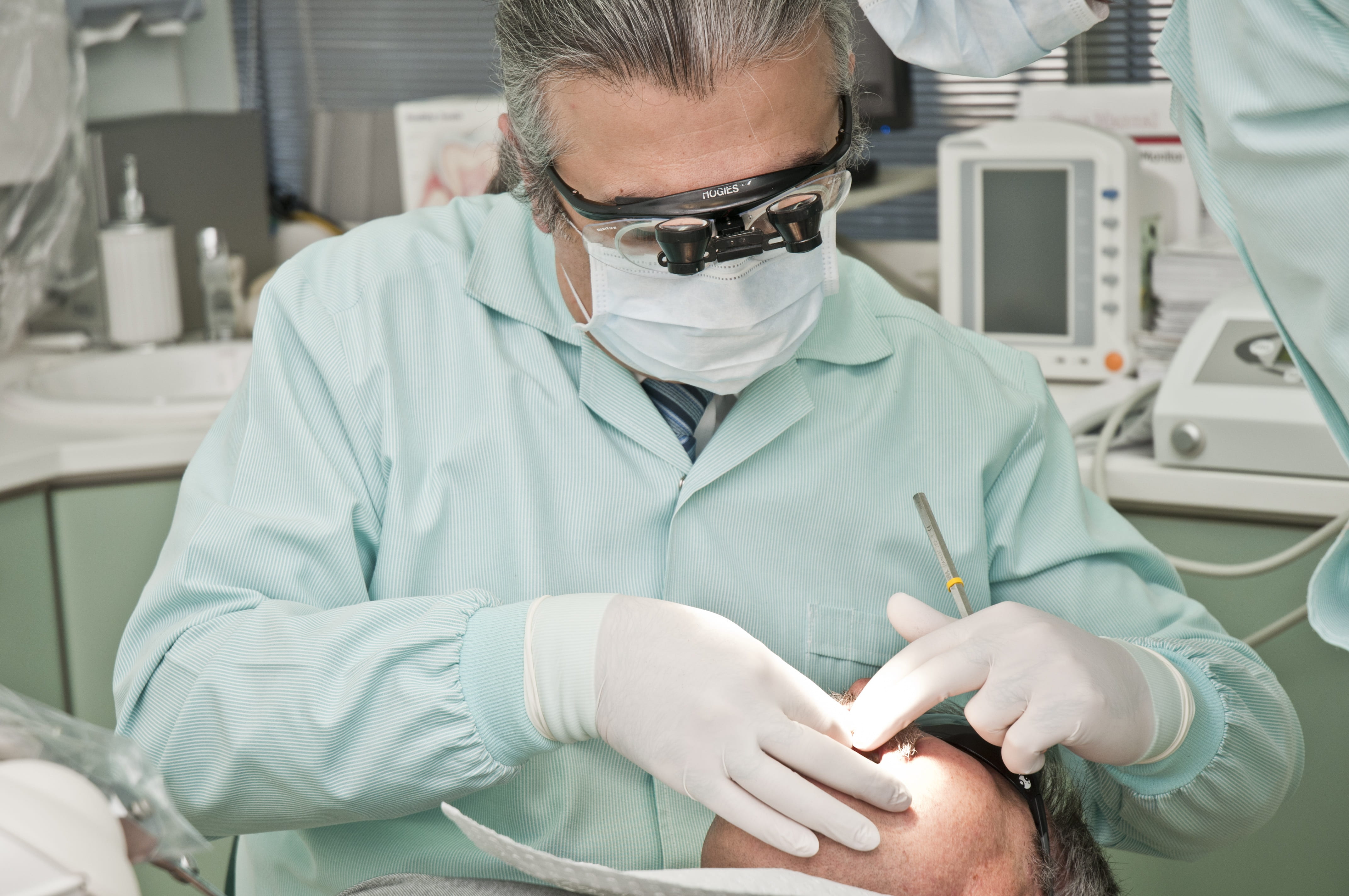



The coronavirus pandemic is changing the way we access health care, and dental care is no exception.
Dentists are no longer allowed to provide a raft of care, such as regular check-ups and tooth whitening, to minimise the spread of COVID-19. However, if you’re in a lot of pain, your dentist will be able to treat you.
Here’s how the coronavirus is changing the way we look after our teeth.
Why are these restrictions in place?
When dentists work on your teeth, they can produce aerosols – droplets or sprays of saliva or blood – in the air.
This happens routinely when your dentist uses a drill or when scaling and polishing, for instance.
And dentists are used to following stringent infection control precautions under normal circumstances to lower the risk of transmission of infectious diseases, whether they are respiratory diseases or blood-borne.
These precautions help keep both patients and dentists safe because it assumes all patients may have an infection, despite the reality that most won’t.
But with the coronavirus pandemic, there is an increased risk of aerosols carrying the virus either directly infecting dental staff, or landing on surfaces, which staff or the next patient can touch.
This transmission may be possible even if you feel perfectly well, as not everyone with the virus has symptoms.
Who’s making these recommendations?
The Australian Health Protection Principal Committee – the key decision-making committee for health emergencies – has recently recommended dentists only provide treatments that do not generate aerosols, or where generating aerosols is limited. And all routine examinations and treatments should be postponed.
This is based on level three restrictions, according to guidance from the Australian Dental Association.
Recommendations of what is and isn’t allowed may change over time.
What does it mean for me? Can I still get a filling?
What’s not allowed?
Non-essential dental care is now postponed. This includes routine check-ups and treatment where there is no pain, bleeding or swelling. So treatments such as whitening and most fillings will have to wait.
Other conditions or treatments that will need to be postponed include:
-
tooth extractions (without accompanied pain or swelling)
-
broken or chipped teeth
-
bleeding or sore gums
-
halitosis (bad breath)
-
loose teeth (that aren’t a choking hazard)
-
concerns about dentures
-
crowns and bridges
-
clicking/grating jaw joint
-
scale and polish
What is allowed?
Some patients will need urgent care for acute problems requiring treatments that produce aerosols. So such procedures have a risk of spreading COVID-19.
Permitted treatments are limited to:
-
tooth extractions or root canal treatment when someone is in acute pain caused by damage to, or death of the nerve in the tooth
-
where upper front teeth are significantly damaged, for example, in an accident (this is an instance where a filling could be provided)
-
management of ulcers or other problems with the lining of the gums and mouth
-
providing care for patients with complex medical conditions and where not treating may lead to worsening of their general health
-
managing patients who have dental problems linked to social or cultural factors and that will develop quickly if professional care is not given
-
where a patient is referred by a doctor for care that is medically necessary.
Can I still go to my regular dentist?
Many dental practices are only open to manage dental problems causing pain, that are urgent or are an emergency.
So check with your usual dentist to see what services they can provide. And be prepared for prearranged treatments to be cancelled.
What if I have COVID-19 or may have it?
If you need urgent dental care and think you may have COVID-19, it’s important to call your dentist to discuss your particular situation.
You may be able to be treated at your usual surgery, where infection control precautions will be stepped up.
But if you have a dental emergency and have been diagnosed with COVID-19, you will be referred to a hospital with appropriate facilities.
What can I do in the meantime?
COVID-19 is going to be with us for many months. So it’s important to look after your oral health by maintaining a healthy diet and oral hygiene routine.







