


 AstraZeneca Q2 Earnings Beat Forecasts as Oncology Growth Supports 2026 Outlook
  Trump Administration Bars U.S. Travelers From Congo Flights Amid Ebola Outbreak
  FDA Weighs Safety Standards for Psychedelic Therapies
  3 clinical-grade skincare creams you really shouldn’t buy online
  GSK Unveils $2.52 Billion Cost-Cutting Plan to Accelerate Drug Pipeline
  US-Backed Pediatric HIV Treatment Drops After Foreign Aid Changes, Study Finds
  Novo Nordisk Eyes Turnaround as Oral Wegovy Challenges Eli Lilly in Weight-Loss Drug Race
  New York Declares Measles Disaster Emergency as Cases Surge
  Novartis Shares Plunge After Muscle Drug Fails Phase III Trial
  Venezuela Earthquake Health Risks Rise as Disease Monitoring Intensifies
  Hanmi Pharm Soars 30% on $2.3 Billion Genentech Obesity Drug Deal
  Moderna Wins FDA Approval for mFLUSIVA mRNA Flu Vaccine for Adults 50+
  Eli Lilly Eyes AtaiBeckley Acquisition to Expand Psychedelic Mental Health Pipeline
  Moderna Short Sellers Hit With $4.8 Billion Loss as Stock Soars


 Add as a preferred source on Google
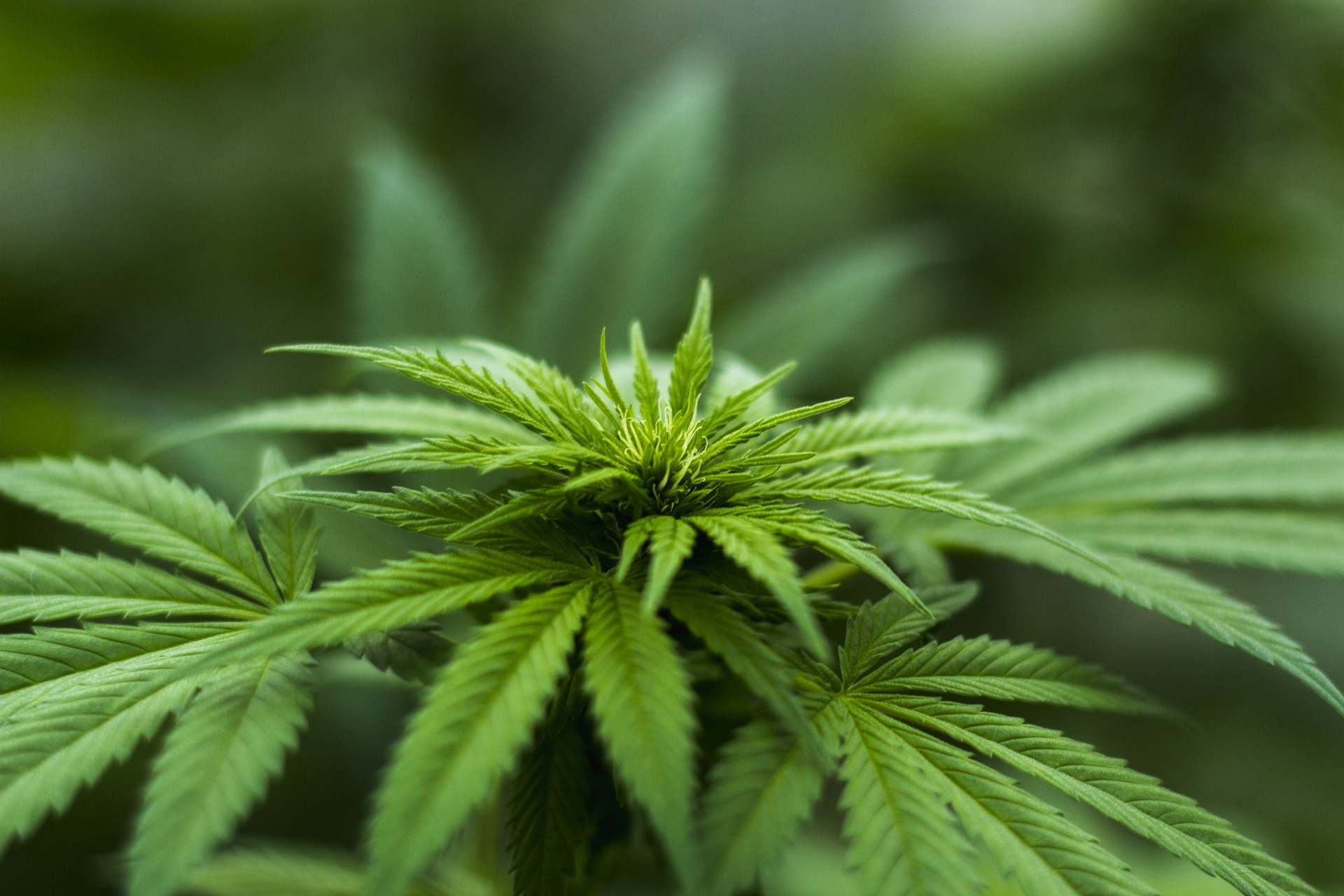
There has been an increasing interest in the effects of cannabis when it comes to a medical aspect, with more and more research dedicated to the topic. So this leads to the question of whether cannabis can be another type of treatment for cancer.
According to oncologist Dr. Donald Abrams, cannabis alone cannot cure cancer. There have yet to be studies that would prove this claim true or not to reach a definitive conclusion. Even though this has yet to be determined, researchers have already seen that there may be some potential there, specifically in cannabinoids THC and CBD. Some pharmaceutical companies have tested cannabinoid medications on patients suffering from brain tumors, and while the results were promising, it was not as dramatic as they perhaps have hoped. Nevertheless, there are pros and cons to the claim that cannabinoids can be another type of cancer treatment.
Dr. Abrams, along with Professor Manuel Guzman of Complutense University of Madrid, published a piece to clear up any confusion regarding cannabinoids and cancer treatment. They addressed the growing number of those diagnosed with cancer becoming convinced that cannabis or high concentrations of CBD or THC oil can actually help cure the condition. They were convinced through testimonials found online. They have also mentioned that RSO or Rick Simpson Oil was often a recommended cannabis product to try in cancer treatment.
Cannabis alone cannot cure cancer, but it can help the patient manage the side-effects of chemotherapy, one of the main methods of cancer treatment among patients. There have been studies showing that cannabis can help manage nausea and lack of appetite felt by patients as well as pain management.
In other types of cancer treatment, the Daily Mail reports that gene-editing is becoming the next best type of treatment. Gene-editing is basically scientists genetically engineering healthy cells to discover and destroy tumors. Following human trials on three older patients, the researchers found that these modified T-cells are safe. These T-cells can kill cancer cells and can stay in the body for nine months.
While the results were a success, more research is needed when it comes to this method as well as trials in bigger groups to reach a definitive conclusion on whether or not it can be used as a cure for cancer.







