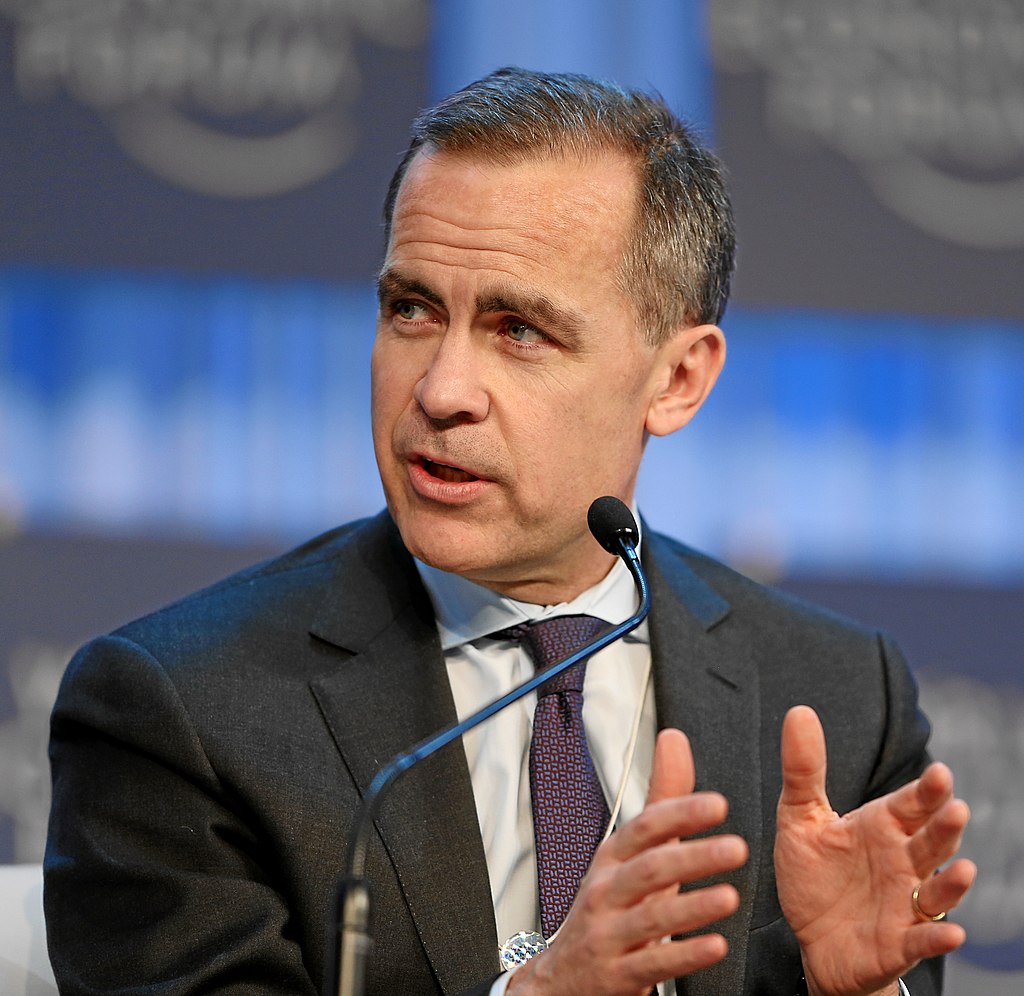
Canadian Prime Minister Mark Carney made a campaign push in British Columbia on Wednesday, targeting support in one of Canada’s most competitive regions ahead of Monday’s national election. With the Liberals leading in Ontario and Quebec—home to the largest number of electoral districts—British Columbia’s 43 closely contested ridings could be key to securing a majority government.
Carney’s campaign, which has focused on countering U.S. President Donald Trump’s policies, holds a national lead. A Nanos Research poll conducted from April 20–22 showed the Liberals at 44.1%, the Conservatives at 38.5%, and the New Democrats (NDP) trailing at 7.7%. The margin of error is ±2.7%, 19 times out of 20.
In B.C., the Liberals and Conservatives are locked in a statistical tie, according to experts. “B.C. is like the 905 in Ontario—politically crucial,” said Richard Johnston, retired political science professor at UBC. While Ontario and Quebec remain critical due to their district count, B.C.’s Lower Mainland could tip the balance, potentially determining whether Carney forms a majority or minority government.
Carney appealed to voters in Victoria, a traditional NDP stronghold, saying, “Vote with me for positive reasons, regardless of past affiliations.” Meanwhile, Conservative leader Pierre Poilievre campaigned in southern Ontario, pledging to dismantle tent cities and thanking the Toronto Police Association for its endorsement.
Concerns over crime and public safety in B.C., exacerbated by a provincial pilot allowing open drug use, may sway some voters toward the Conservatives. Analysts say the NDP’s decline could benefit both major parties, depending on the riding. “B.C. is the hardest province to read,” said Simon Fraser University’s Sanjay Jeram, citing voter focus on U.S. trade threats and Trump’s annexation rhetoric.