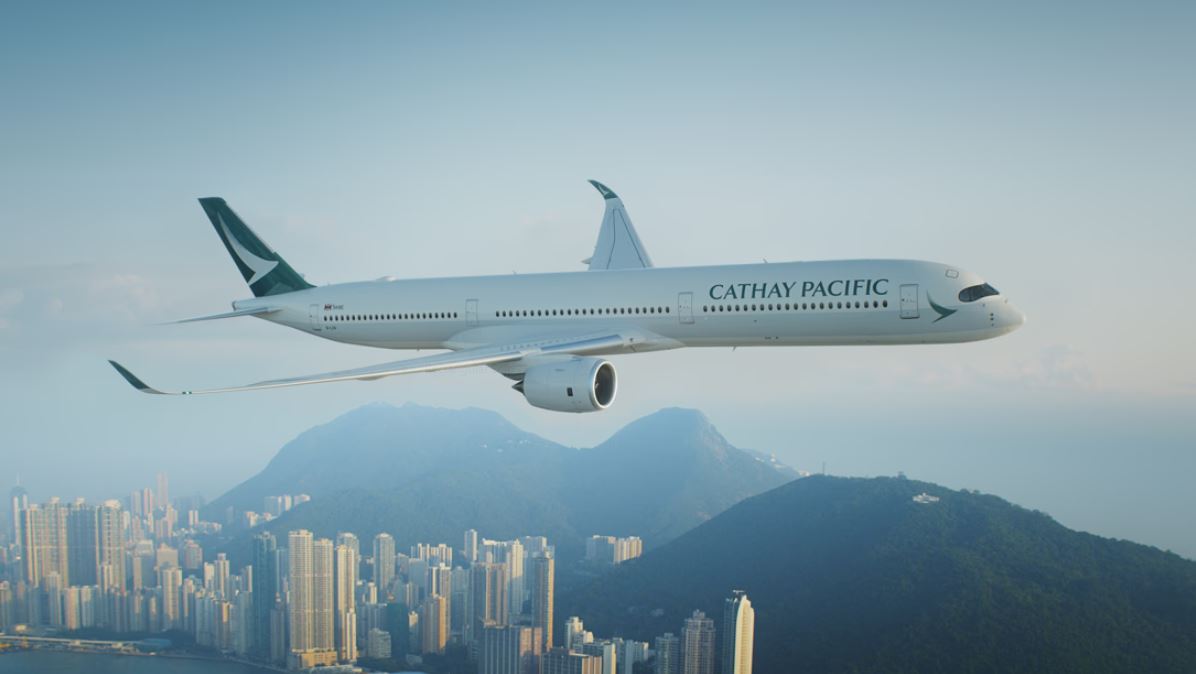
Cathay Pacific achieved its first annual profit since 2019, marking a significant recovery from the challenges posed by the COVID-19 pandemic. The airline's recent success comes after facing heavy losses and layoffs during the pandemic, showcasing a remarkable resurgence in its financial performance.
Strong Financial Results and Expansion Plans
According to the Inquirer, the Hong Kong-based flag carrier reported a net profit of HK$9.79 billion ($1.25 billion) in 2023. Encouraged by this positive outcome, Cathay Pacific revealed its intention to bolster its workforce by approximately 20 percent, equivalent to about 5,000 new hires, within the current year. Additionally, the airline announced its decision to distribute dividends to ordinary shareholders for the first time since 2019.
Demand Surge and Revenue Growth
Reuters noted that Cathay Pacific's financial success was primarily fueled by a substantial increase in demand following the relaxation of COVID-19 travel restrictions by Hong Kong and mainland China in early 2023. The airline experienced a notable 85 percent rise in revenue, reaching HK$94.5 billion, reflecting the positive impact of the surge in demand on its overall financial performance.
Cathay Pacific aims to recover by the first quarter of 2025 and restore 80 percent of its pre-pandemic passenger flights by the current year's second quarter. The airline is committed to gradually increasing its flight capacity to meet evolving travel demands and normalize its operations post-pandemic.
Operational Challenges and Strategic Decisions
Cathay Pacific faced operational hurdles despite its progress, including slower capacity restoration than its competitors. The airline encountered delays in resuming services due to stringent quarantine regulations and the need to recruit additional staff. These challenges led to flight cancellations and reductions, impacting the pace of its recovery.
Supply-Demand Dynamics and Industry Outlook
The global aviation industry witnessed a supply-demand imbalance in the previous year, resulting in increased ticket prices and airline yields. Cathay Pacific anticipates a gradual easing of this imbalance throughout 2024 as airlines worldwide progressively expand their capacities to meet the rising travel demand. CEO Ronald Lam expressed confidence in the industry's normalization process and emphasized the airline's commitment to order new aircraft to enhance its fleet capabilities.
Cathay Pacific's Diverse Operations
Cathay Pacific is a full-service airline operating in both passenger and cargo segments. It has two subsidiaries: the low-cost carrier HK Express and the cargo carrier Air Hong Kong. The airline's diversified operations enable it to cater to a wide range of aviation needs, positioning it strategically in the competitive market.
Photo: Cathay Pacific Pressroom