


 Nvidia Pauses AI Cloud Financing Deals Amid Antitrust Concerns
  Meta, U.S. States Discuss Settlement in Teen Addiction Trial
  Shein Hong Kong IPO to Raise $1.7 Billion at $26.5 Billion Valuation
  Luxshare Shares Rise as First-Half Profit Jumps 18%
  U.S. Probes Apex Logistics Over Nvidia AI Chip Shipments to China
  Guatemala Receives 2,300 Mexicans Deported From US
  Google Changes EU Spam Policy Amid Antitrust Scrutiny
  Trump Administration Weighs Executive Order on Vaccines and Autism Research
  Pinterest Stock Falls as CFO Julia Brau Donnelly Resigns
  SK Hynix Shares Fall as Workers Reject Wage Deal
  BofA Names ASML Top Semiconductor Equipment Pick on Growth, Valuation
  SEC Probes Banks Over Situational Awareness Hedge Fund Collapse
  New Zealand Labour Backs Social Media Ban for Under-16s
  OpenAI Data Center Chief Chris Malone Exits Ahead of Planned 2027 Listing
  HP Stock Drops 9% Despite Q3 Earnings Beat and Raised 2026 Outlook
  Trump Targets 1,000 U.S. Space Launches Annually by 2030


 Add as a preferred source on Google
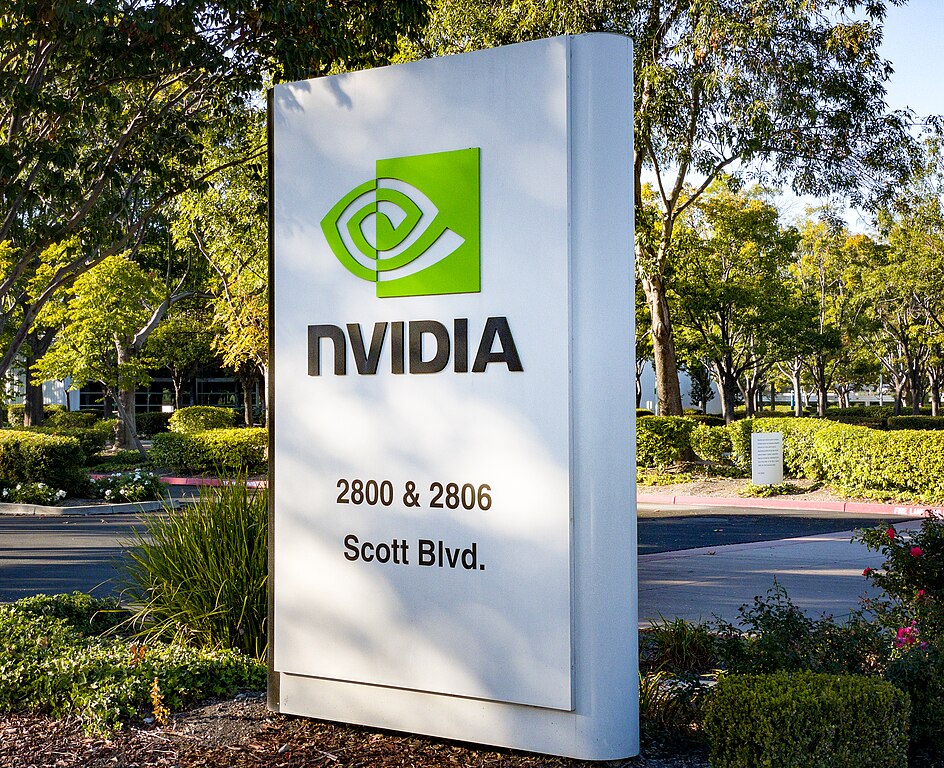
The U.S. move to tighten export controls on Nvidia’s H20 chips is adding pressure to China’s AI sector, but immediate disruption appears limited as domestic firms rapidly pivot to local alternatives. Analysts at Bernstein suggest the ban could even accelerate China’s move away from U.S. semiconductors, a shift already gaining momentum across hardware and software fronts.
The Nvidia H20, a lower-end accelerator designed for China, was already lagging behind domestic options like Huawei’s Ascend 910C. Huawei’s AI CloudMatrix 384 platform, for instance, delivers 1.7 times the computing power of Nvidia’s NVL72 node, though at nearly four times the power consumption. Bernstein analysts argue the ban is more symbolic, signaling deeper supply chain tensions rather than creating an immediate tech gap.
Chinese AI firms have diversified their compute strategies, blending domestic chips, smaller edge models, and hybrid platforms. Many continue to use older-generation Nvidia chips like the 3090 or V30 without major issues. However, rising demand is pushing up cloud GPU rental prices, tightening resources for the sector.
In the long term, the ban is likely to strengthen China’s domestic AI ecosystem. Huawei is expected to close performance gaps through software innovations in cluster bandwidth and model optimization. Open-source initiatives like Deepseek are also making strides in creating small, efficient AI models that reduce computing needs.
Bernstein highlights three key strategies China is adopting: manually adapting CUDA-trained models to run on Huawei chips, using compilers for model porting, and developing middle-layer platforms for chip interoperability. Moreover, TMT and software firms are shifting from private to public cloud infrastructure, favoring state-owned enterprises tied to local chipmakers.
The Nvidia H20 ban marks not a setback, but a catalyst for China’s AI independence drive.







