


 Alibaba Raises $10.2 Billion to Expand AI Infrastructure
  Qatar PM Heads to Tehran to Revive Iran-US Diplomacy
  Jefferies Names AMEC Top China Semiconductor Equipment Pick
  Ecuador Court Convicts Ex-President Lenin Moreno in Bribery Case
  UN Criticizes US Terror Label for Palestine Action
  European Allies Seek to Reassure Pentagon as US Reviews Troop Presence
  Honda, Nissan Eye Shared Vehicle Software Platform by 2029
  South Korea, Japan and US Plan Joint Military Drills
  Trump Administration Moves to Strip ABA of Law School Accreditor Status
  HP Stock Drops 9% Despite Q3 Earnings Beat and Raised 2026 Outlook
  ICE to Complete Nationwide Body Camera Rollout by End of August
  Samsung Shares Tumble 8% as $79 Billion Return Plan Disappoints
  Iran Weighs Conditions to Reopen Strait of Hormuz
  Israeli Airstrike Kills Hamas Operative, Two Others in West Bank
  Meta, U.S. States Discuss Settlement in Teen Addiction Trial
  Google Changes EU Spam Policy Amid Antitrust Scrutiny
  SEC Moves to Dismiss Insider Trading Case Against Trump-Pardoned Terren Peizer


 Add as a preferred source on Google
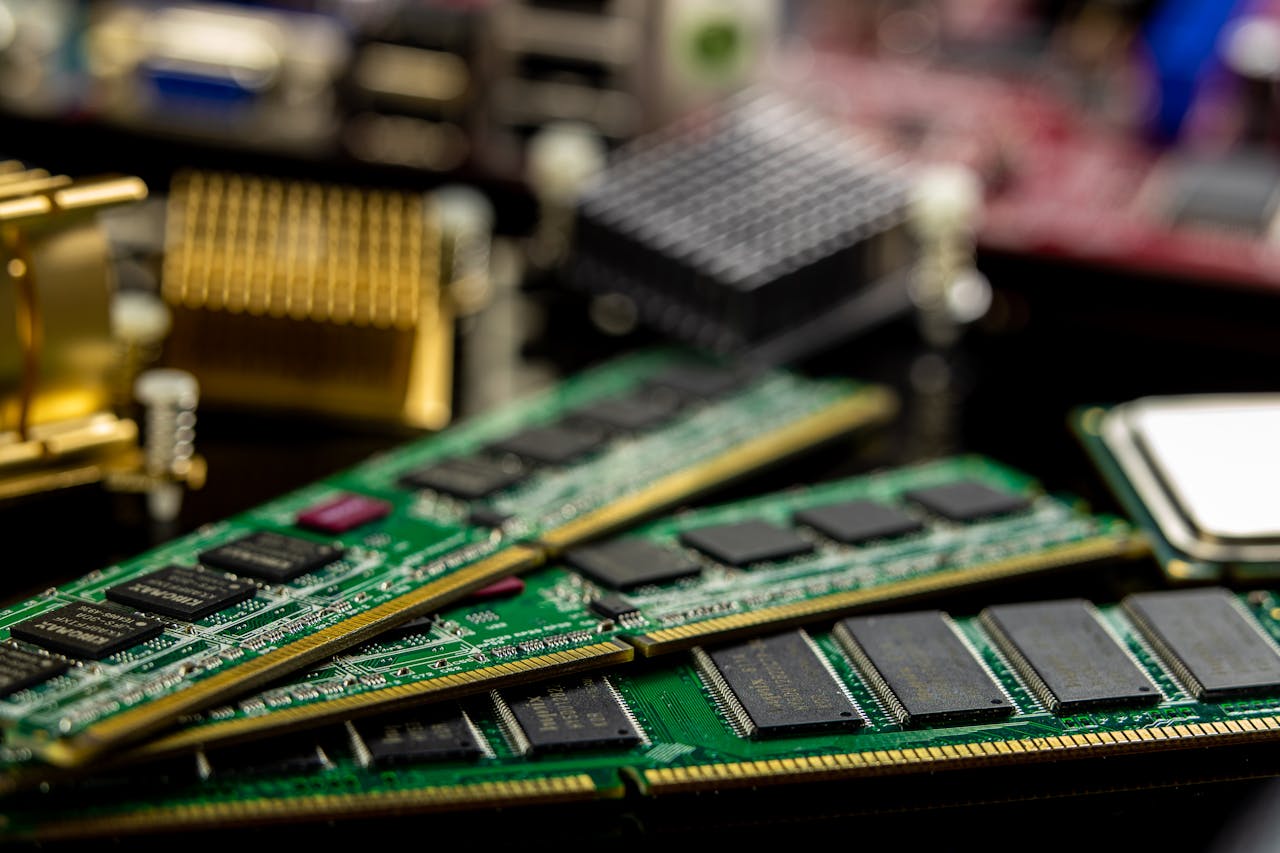
China has taken a major step to reinforce its domestic semiconductor industry by adding locally developed artificial intelligence chips to an official government procurement list for the first time, according to a report from the Financial Times. Sources familiar with the matter said the Ministry of Industry and Information Technology recently approved AI processors from leading Chinese chipmakers, including Huawei and Cambricon, for use across public-sector projects.
The updated procurement guidance aims to accelerate China’s adoption of homegrown semiconductor technologies and reduce long-standing reliance on U.S. chip suppliers. Industry analysts note that prioritizing local AI chips could lead to billions of dollars in new sales for Chinese companies, boosting their competitiveness at a time when global chip supply chains remain geopolitically sensitive.
The FT reported that the directive was circulated prior to U.S. President Donald Trump’s announcement outlining plans to allow Nvidia to ship its advanced H200 AI chips to certain “approved customers” in China. While the potential easing of export restrictions signals a shift in Washington’s approach, political resistance in both the U.S. and China could still limit how widely Nvidia’s chips are ultimately distributed.
Several Chinese government agencies and state-owned enterprises have already received the unpublished procurement list, marking the first instance in which they have been formally instructed to prioritize domestic suppliers when purchasing AI processors. This move underscores Beijing’s broader strategy to strengthen technological self-sufficiency, particularly in sectors like artificial intelligence and semiconductors where U.S. companies have historically dominated.
China’s decision reflects its long-term ambition to develop a resilient chip ecosystem capable of supporting rapid AI growth. As global tensions around technology leadership intensify, the push to scale domestic chip production highlights Beijing’s commitment to reducing external dependencies while investing heavily in next-generation innovation.







