China reportedly lifted the ban on video games and approved about 105 online games. This comes after the restrictions on video games caused considerable losses.
Business Insider reported that with the $80 billion market meltdown, China is now trying to contain the massive damage its crackdown on video games has created. In response to the turnout of the events, Beijing is said to be attempting to reduce the impact and has gone into damage-control mode.
Damaging Restrictions After New Draft’s Reveal
China appears to have faltered about its new restrictions for online games after losing a hefty sum in the market. Last weekend, Chinese officials revealed the new rules that are still in draft, and they are primarily about setting limits on how much gamers can spend. The rules also aim to restrict game rewards that push players to play longer or spend more time in online gaming.
The announcement of the rules was said to have come out of the blue, and many investors were spooked by it. The market also went haywire, and several gaming companies saw their shares drop.
Major firms, including Tencent and NetEase, were hit as well, with share prices plunging by as much as 16% and a record 28% drop for the latter. In Bilibili’s famous case with gamers, the share price plummeted by 14%.
Regulators’ Quick Turnabout
It was reported in China that the officials granted permission for 105 new online games. The regulator said it fully supports the gaming sector after the proposed restrictions led to unexpected enormous losses for investors and companies last week.
According to Associated Press News, China’s National Press and Publication Administration posted a statement on its social media account (WeChat) on Monday, Dec. 25. The group said the approvals by the Game Working Committee of China Music and Digital Association show “positive signals that support the prosperity and healthy development of the online game industry.”
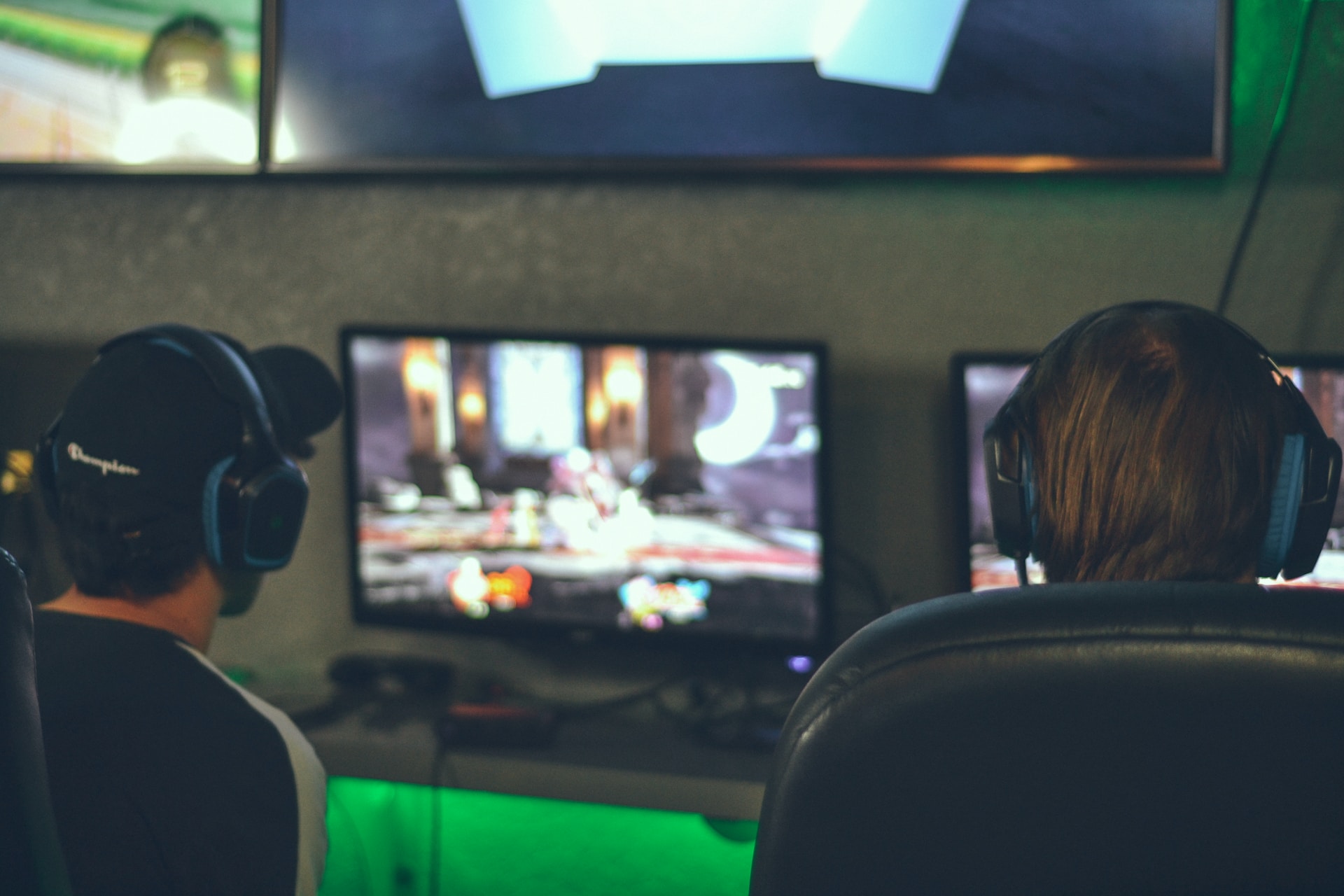
Photo by: Alex Haney/Unsplash