
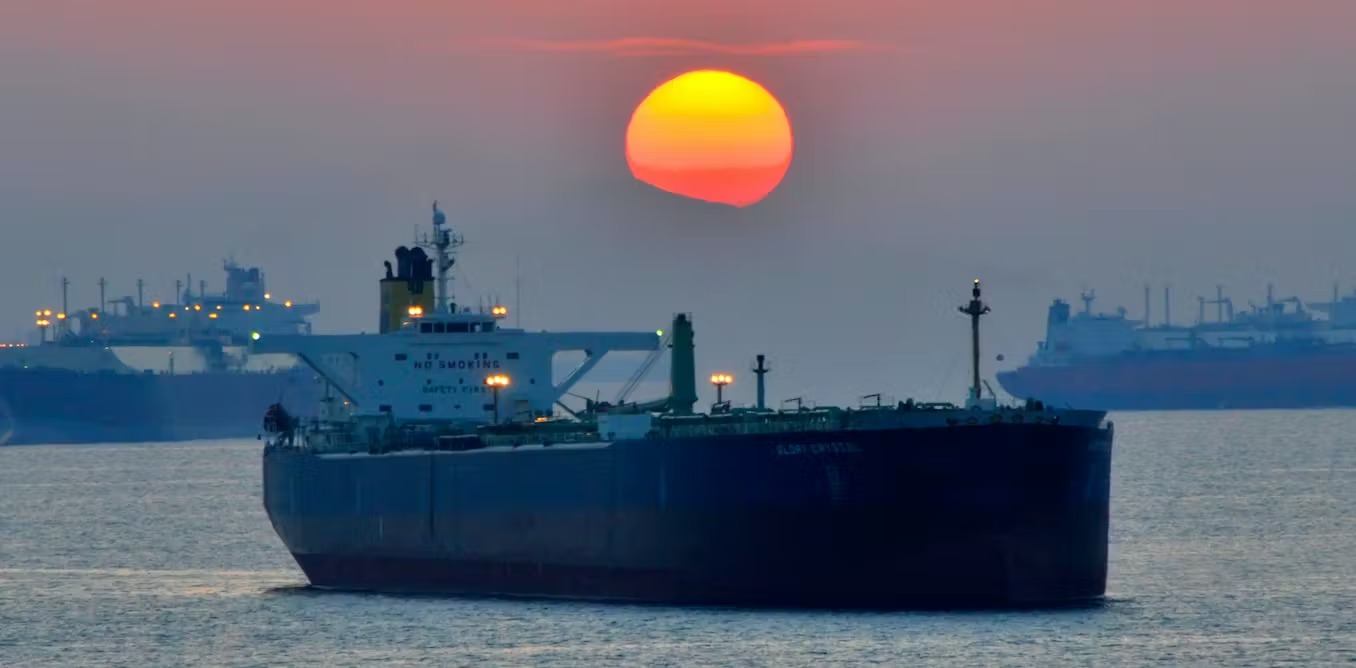
China is intensifying its role on the global stage as geopolitical tensions rise in both the Middle East and East Asia. Following unsuccessful U.S.-led peace efforts in Pakistan and escalating conflict in the Strait of Hormuz, Beijing is positioning itself as a stabilizing force while strengthening its diplomatic and military posture.
With the United States enforcing a military “blockade” in the Strait of Hormuz and Iran demanding cryptocurrency payments for safe passage, global trade routes remain under pressure. China has responded by expanding diplomatic engagement, hosting key international leaders and emphasizing its message of peace, sovereignty, and global cooperation. At the same time, Beijing is carefully leveraging the situation to enhance its reputation as a reliable global partner, particularly as U.S. foreign policy draws criticism from Europe and other regions.
In Asia, tensions surrounding Taiwan continue to shape China’s strategic narrative. Beijing is increasingly focusing on Taiwan’s upcoming elections, suggesting that improved cross-strait relations depend on political outcomes. A victory by Taiwan’s opposition Kuomintang party is framed as an opportunity for stability, while continued leadership by the Democratic Progressive Party could heighten regional conflict. This shift highlights China’s evolving long-term approach to Taiwan and its reunification ambitions.
Meanwhile, relations with Japan are becoming more strained due to security concerns and discussions around Taiwan’s future. Japan is strengthening alliances with NATO and other partners, raising concerns in Beijing about regional military balance. These developments underscore the complexity of Asia-Pacific geopolitics, where economic interdependence coexists with rising security competition.
China’s involvement in the Gulf crisis also remains ambiguous. While denying direct military support to Iran, analysts suggest Beijing may provide dual-use technology. This cautious approach allows China to maintain influence without escalating tensions directly. However, global supply chains and energy flows remain vulnerable, creating economic uncertainty that affects both China and the wider world.
As global power dynamics shift, China’s strategy reflects both opportunity and risk. Its efforts to reshape international relations, manage Taiwan tensions, and navigate Middle East instability demonstrate its ambition to become a dominant global power, even as challenges continue to emerge.


