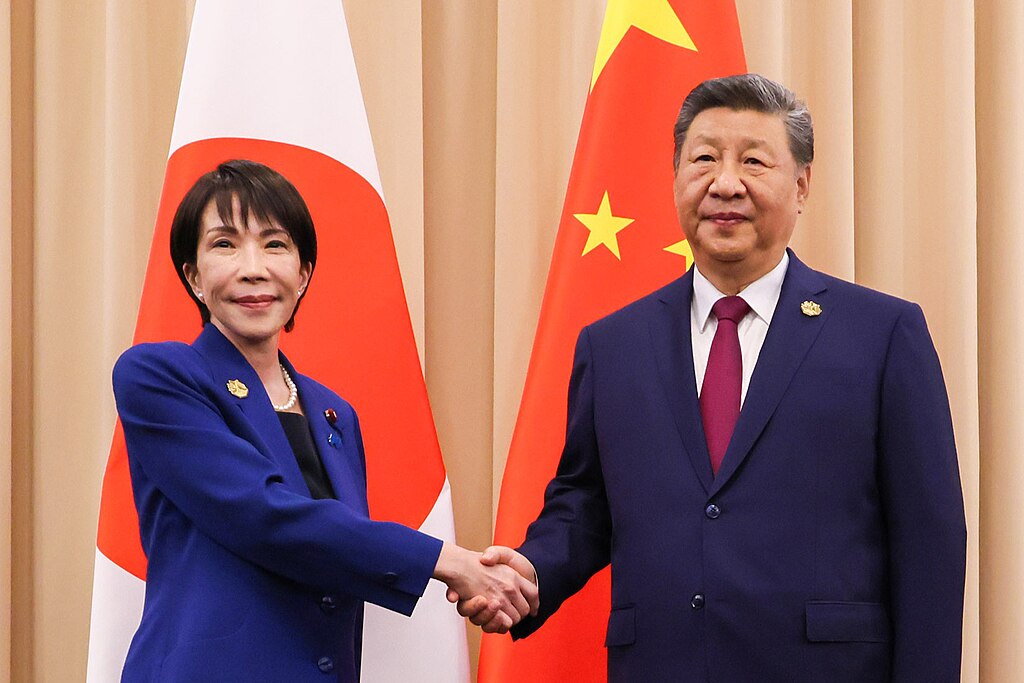
China may reassess its escalating pressure campaign on Japanese Prime Minister Sanae Takaichi if she secures a decisive victory in Japan’s February 8 snap election, according to current and former Japanese officials and political analysts. The vote is shaping up to be one of the most unpredictable elections in years and could significantly influence China-Japan relations, regional security, and Japan’s economic outlook.
Takaichi, Japan’s first female prime minister, triggered the most serious diplomatic dispute with Beijing in over a decade shortly after taking office last year by publicly outlining how Japan might respond to a potential Chinese attack on Taiwan. China demanded that she retract the remarks, which she refused to do, and subsequently introduced a series of retaliatory measures aimed at Japan. These actions are beginning to weigh on the world’s fourth-largest economy and have become a critical backdrop to the election.
Analysts say Beijing’s initial strategy may have been to weaken or even topple the Takaichi government. However, her personal approval ratings remain high, and recent polls suggest her ruling coalition could strengthen its razor-thin parliamentary majority. A strong election win would send a clear signal to China that its pressure tactics have failed to undermine her domestic support, potentially forcing Beijing to reconsider its approach.
China’s response so far has included a state-influenced reduction in travel to Japan, nearly halving Chinese visitor numbers in December, and discussions around restricting exports of rare earths and critical minerals. Economists warn such measures could cut up to 3% from Japan’s GDP and cost millions of jobs, highlighting the high economic stakes involved.
Despite these risks, Takaichi has framed the election as a stand against military intimidation and economic coercion, echoing the strategy once used by her mentor, former Prime Minister Shinzo Abe. If she secures a large enough majority to govern more independently, experts believe China may ultimately have little choice but to re-engage diplomatically with Japan. Conversely, a narrow win could invite even stronger pressure from Beijing, making the election a pivotal moment for Japan’s future.