China’s economy showed weaker-than-expected growth in August, as industrial production and retail sales both missed forecasts, highlighting ongoing pressure on the world’s second-largest economy.
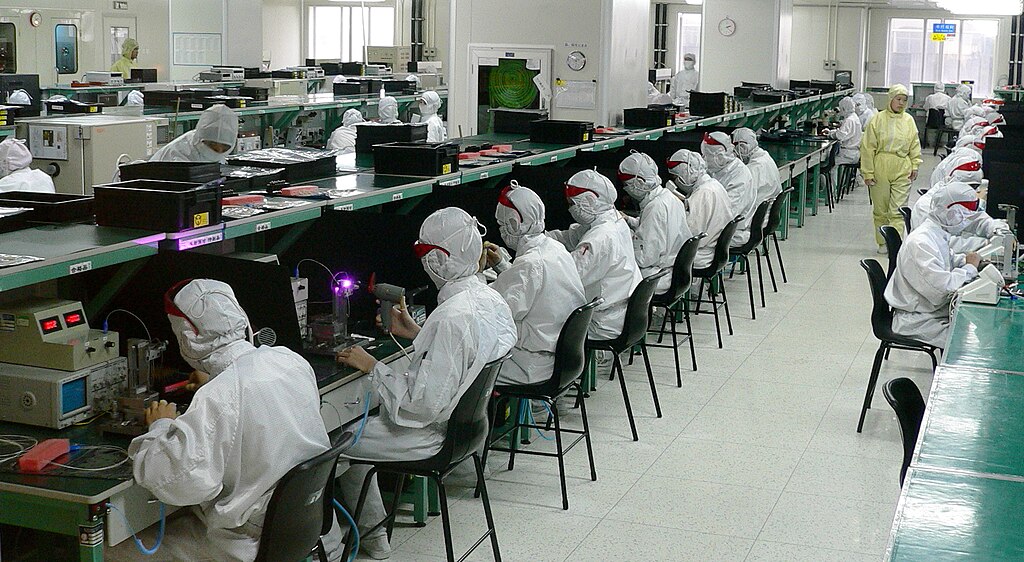
Official data from the National Bureau of Statistics revealed that industrial production grew 5.2% year-on-year in August, slowing from July’s 5.7% and falling short of expectations. The decline underscores the strain on China’s manufacturing sector from steep U.S. trade tariffs—still affecting nearly 50% of key goods—and waning demand in major export markets such as Japan and Europe.
Investment momentum also faltered, with fixed asset investment rising only 0.5% year-on-year in August, down from 1.6% in July and missing the anticipated 1.5%. Weak private consumption further weighed on growth, as retail sales increased just 3.4% compared with the expected 3.8%, also lower than July’s 3.7%.
The slowdown in consumer activity follows disappointing inflation data, reflecting a broader cooling in domestic demand. Despite Beijing’s extensive stimulus measures introduced since late 2024—ranging from subsidies on electronics to consumer goods—their positive impact appears to be fading. Analysts believe these trends will likely prompt Chinese authorities to roll out additional policy support to stabilize growth.
Adding to the pressure, China’s property sector remained subdued, with house prices falling 2.5% year-on-year in August. The persistent downturn in real estate, a critical driver of the Chinese economy, further complicates recovery prospects.
The latest data highlights China’s fragile economic rebound as it grapples with global trade challenges, weak domestic demand, and a sluggish property market. Economists suggest that without stronger stimulus and structural reforms, growth momentum could remain under strain through the remainder of the year.