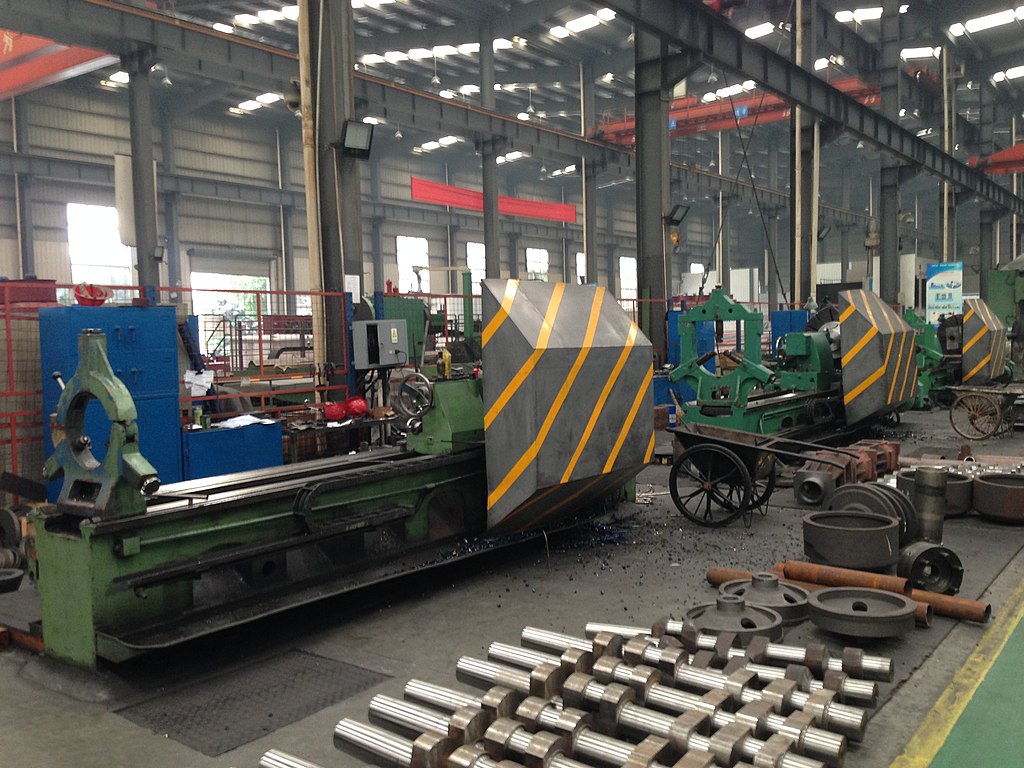
China’s industrial profits climbed at their fastest pace in nearly two years in September, signaling that Beijing’s latest efforts to tackle overcapacity and rebalance the economy may be gaining traction. Official data from the National Bureau of Statistics (NBS) showed profits rising 21.6% year-on-year in September, following a 20.4% jump in August, marking two consecutive months of robust growth. Overall, industrial profits rose 3.2% in the January–September period, reflecting gradual recovery momentum in the world’s second-largest economy.
The profit rebound comes as Chinese policymakers intensify measures to address loss-making and inefficient enterprises, curbing the long-standing practice of cheap credit used to sustain provincial economies. Analysts note that the policy pivot—amid mounting U.S. trade tariffs and weakening exports—signals Beijing’s commitment to quality-driven, sustainable growth rather than reliance on debt-fueled expansion.
Economists say improved supply-demand balance and higher capacity utilization have supported the profit recovery. “Industrial capacity utilization has improved and profit margins are up, reflecting a slightly better supply-demand dynamic,” said Xu Tianchen of the Economist Intelligence Unit. A mild rebound in the Producer Price Index also suggested early signs of economic stabilization.
However, structural challenges persist. China’s GDP grew 4.8% in the third quarter, slowing from 5.2% in Q2, underscoring continued pressure from the property downturn, weak consumer confidence, and high local government debt. While private-sector profits rose 5.1%, driven partly by battery maker CATL’s 41.2% surge, state-owned firms saw a 0.3% decline. Analysts warn that growth could slow in October as favorable base effects fade.
Despite these hurdles, Beijing remains focused on boosting domestic demand and high-tech manufacturing under its new five-year plan. Yet, dependence on exports and rising global trade tensions continue to challenge China’s long-term economic sustainability.